


More news on this day
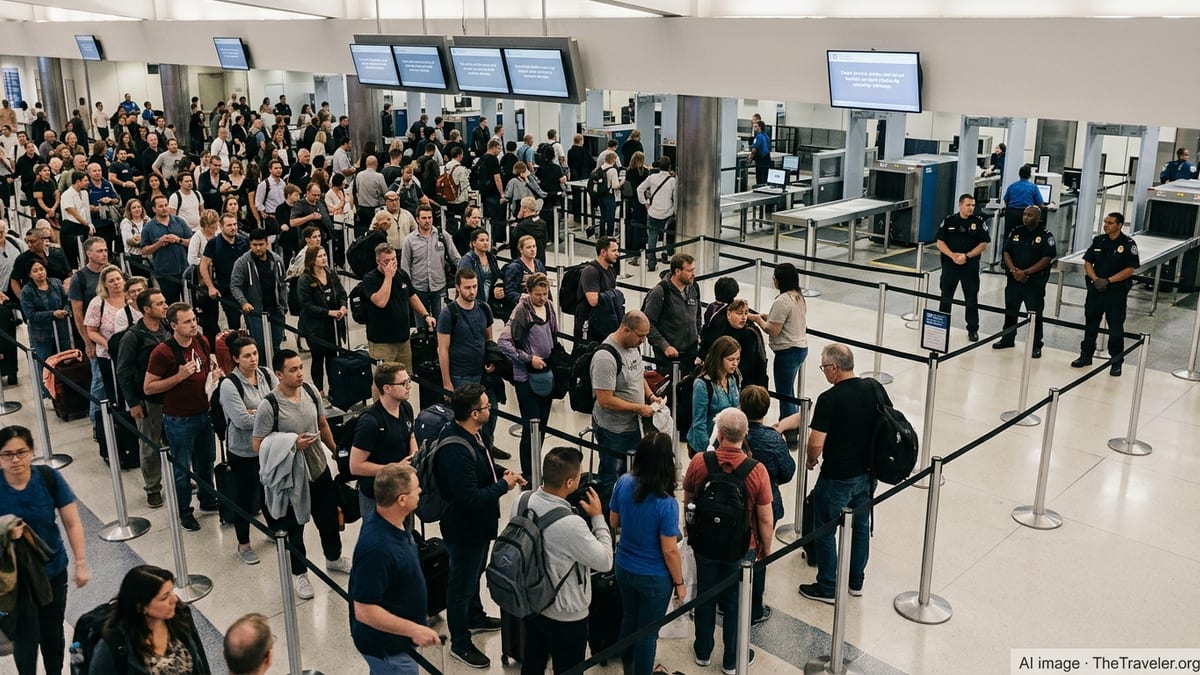
Dozens of travelers at Ottawa Macdonald-Cartier International Airport faced disrupted plans on Monday as 25 flights were reported delayed and at least six cancelled, affecting major carriers and key domestic and international routes across Canada and the United States.
Get the latest news straight to your inbox!
Widespread Disruptions Across Major Carriers
Publicly available flight-tracking data on Monday indicated an unusual cluster of delays and cancellations at Ottawa Macdonald-Cartier International Airport, the primary air hub for Canada’s National Capital Region. The disruptions affected a mix of domestic and cross-border services, leaving many passengers waiting for hours in departure lounges or scrambling to rebook.
The day’s operations showed knock-on effects across several well known carriers, including Air Canada, Porter Airlines, WestJet and United Airlines, among others. Routes in the busy eastern corridor between Ottawa, Toronto and Montreal were particularly affected, alongside some services heading to larger hubs such as Vancouver and U.S. gateways.
While individual flight boards and tracking platforms reflected different snapshots throughout the day, the overall pattern pointed to at least 25 delayed departures and arrivals combined, along with a minimum of six outright cancellations. That level of disruption is notable for an airport that typically handles far fewer flights than Canada’s largest hubs but sits on one of the country’s busiest air corridors.
Travelers reported extended waits at gates and service counters as airlines worked through rebooking options and aircraft rotations. Some passengers were moved to later flights or rerouted through alternative hubs, while others were left facing overnight stays or missed connections.
Key Routes To Toronto, Montreal And Beyond Hit Hard
Ottawa’s connections to Toronto and Montreal are among the most heavily traveled in Canada, serving both business and leisure demand as well as onward international connections. On Monday, several of these short-haul services showed significant delays or cancellations, compounding pressure on already busy schedules.
Data for select Air Canada and Porter Airlines flights between Ottawa and Montreal indicated late departures, with at least one scheduled Air Canada service to Montreal listed as cancelled. Other Ottawa to Montreal rotations operated but still experienced schedule changes, reflecting the broader operational strain.
United Airlines’ regional links from Ottawa into the U.S. network also showed signs of disruption, with at least one scheduled departure to a Washington area hub reported delayed. These shifts risked missed onward connections for travelers heading to destinations further south and west across the United States.
Reports from flight-tracking services suggested that some westbound and transatlantic operations from Ottawa were operating on schedule, but even a small number of affected departures can ripple across an airline’s network, especially when aircraft are tightly scheduled or when crews approach duty-time limits.
Weather, Congestion And Operational Factors Combine
While there was no single, publicly confirmed cause for all of Monday’s disruptions at Ottawa International, industry patterns point to a familiar mix of factors. Recent coverage across North America has highlighted how summer-like instability in the weather, combined with tight airline staffing and airport congestion at major hubs, can swiftly cascade into delays on regional routes.
Storm systems moving through major U.S. and Canadian hubs frequently lead to ground holds, air traffic control flow restrictions and temporary runway capacity reductions. When those hubs are the main connection points for flights coming in and out of Ottawa, even short-lived restrictions elsewhere can back up departures in the capital, as airlines wait for new landing slots or for inbound aircraft to arrive.
Operational considerations such as crew scheduling limits, aircraft maintenance checks and turn times can further amplify those impacts. If an aircraft or crew arrives late from a previous flight, that delay can quickly spill over onto the next rotations, particularly on high-frequency routes to Toronto and Montreal where aircraft are scheduled with minimal buffer.
Ottawa’s role as part of Canada’s so called Eastern Triangle air corridor, linking the city closely with Toronto and Montreal, means its on time performance is tightly linked to conditions at those larger, more congested airports. When major hubs slow down, airports like Ottawa often feel the secondary effects within hours.
Frustration For Passengers Navigating Rebookings
For travelers on the ground, the operational context offers little comfort in the moment. Social media posts and public forums in recent months have highlighted growing frustration with long waits, repeated schedule changes and inconsistent communication across Canadian carriers, especially when passengers are already in transit.
On days like Monday, those broader trends translate into crowded customer service desks and long phone hold times as passengers attempt to secure new itineraries. Some travelers turn to alternative options such as rail journeys between Ottawa, Montreal and Toronto or last minute car rentals when short haul flights face repeated delays.
Consumer advocacy platforms tracking disruptions in Canada and abroad note that compensation and care obligations can vary depending on the cause of the disruption, the airline involved and whether the route is domestic or international. Travelers often have to navigate a complex patchwork of airline policies and national regulations to determine what assistance they may be entitled to.
In practice, passengers report a wide range of outcomes, from hotel and meal vouchers on longer delays to simple rebookings without added support. The uneven experiences have fueled ongoing debate about whether current rules and enforcement go far enough to protect travelers when flight schedules unravel.
What Travelers Passing Through Ottawa Should Watch
For those with upcoming trips through Ottawa Macdonald-Cartier International Airport, Monday’s disruptions serve as a reminder of how quickly air travel plans can change, even on relatively short flights. Travel experts often recommend building extra buffer time into itineraries that connect through Toronto, Montreal or major U.S. hubs, given their susceptibility to weather and congestion related slowdowns.
Passengers are frequently advised to monitor their flight status using both airline channels and independent tracking tools, especially in the 24 hours leading up to departure. Early awareness of schedule changes can provide more options for rebooking or adjusting ground transportation.
Industry observers also point to the value of booking longer connection windows, particularly for international itineraries that rely on a first short leg out of Ottawa. When that initial segment is delayed, a tight connection at a large hub can quickly vanish, leading to missed long haul flights that may operate only once a day.
As the busy summer travel period ramps up, performance at regional airports like Ottawa will remain closely linked to how well airlines and large hub airports manage weather volatility, staffing and infrastructure constraints. Monday’s wave of delays and cancellations underlines how even a modest number of disrupted flights can leave hundreds of travelers unexpectedly stranded in terminal buildings, waiting for the network to catch up.