


More news on this day
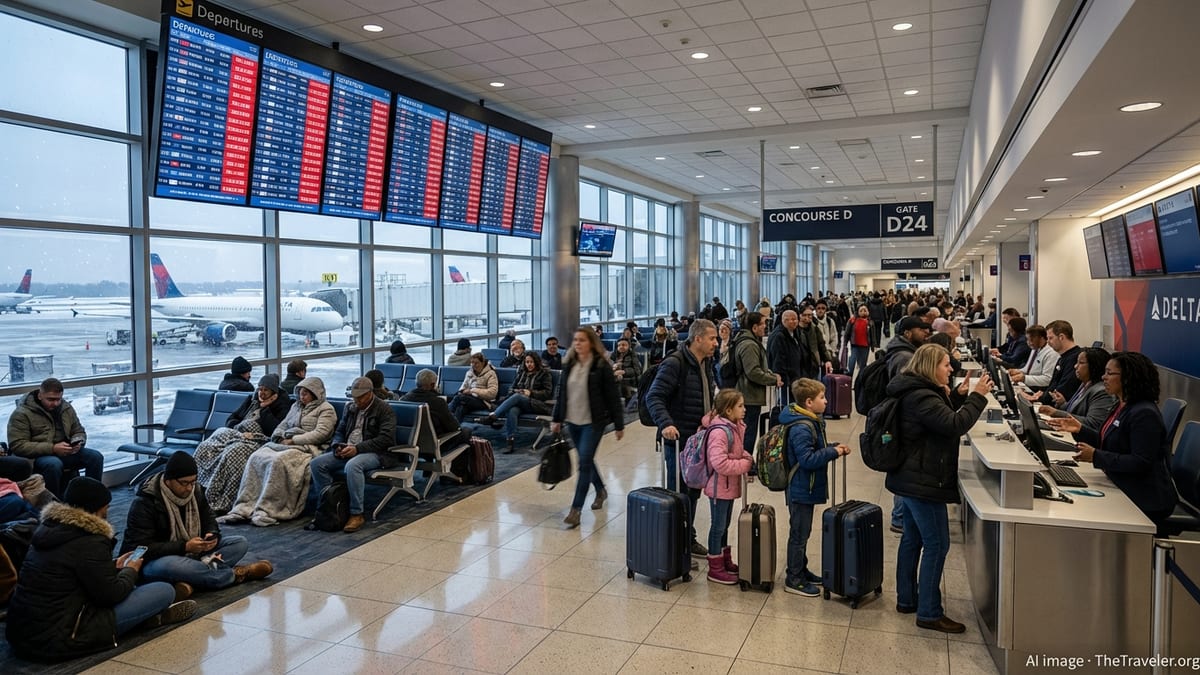
Passengers traveling through Southwest Florida International Airport on June 15 faced fresh disruption as six flight cancellations and 24 delays rippled across major routes operated by American Airlines, Delta Air Lines and Frontier Airlines.
Get the latest news straight to your inbox!
Operational Strain At A Key Southwest Florida Gateway
Southwest Florida International Airport, serving the Fort Myers region, is one of the busiest mid sized airports in the United States and a critical gateway for both leisure and connecting traffic. Recent passenger figures show more than 11 million travelers moved through the terminal in 2025, placing the facility among the top 50 airports nationwide by volume.
Against that backdrop, a cluster of six cancellations and 24 delays on Monday represented a noticeable disruption to the airports typical summer schedule. Public flight tracking dashboards and airport status boards indicated that American Airlines, Delta Air Lines and Frontier Airlines bore the brunt of the irregular operations, with knock on effects for travelers headed to and from multiple major hubs.
The pattern at Fort Myers comes as airlines across the United States navigate a busy early summer travel period, with higher load factors leaving carriers and passengers more vulnerable when even a small number of flights are scrubbed or significantly delayed.
Major Hubs Affected, From Philadelphia To Houston
According to real time tracking data, the irregular operations at Southwest Florida International primarily affected flights linking Fort Myers with major domestic hubs including Philadelphia, Atlanta, Dallas, Houston, Chicago, Nashville and Detroit. These cities serve as key connection points for broader national and international networks, magnifying the impact when flights do not operate as planned.
Services on American Airlines saw disruption on routes tied into the carriers Philadelphia and Dallas networks, while Delta Air Lines experienced schedule pressure on flights touching its core hub in Atlanta and key markets such as Detroit and Chicago. Frontier Airlines, which maintains a presence in the Florida leisure market, also recorded delays that affected its point to point links, including service to Philadelphia.
Travelers booked on morning departures faced extended waits at departure gates as ground handling and air traffic programs absorbed earlier interruptions. Later flights encountered rolling knock on delays as aircraft and crews arrived out of pattern, reducing the flexibility operators typically use to recover from disruptions.
Weather And National Network Pressures
The local disruption at Fort Myers unfolded against a wider backdrop of weather related strain on the U.S. aviation system. Industry reports on June 15 highlighted storms across parts of the East Coast and Texas, where key hubs in New York, Washington, Dallas and Houston faced a combination of ground delays and potential ground stops.
These conditions placed additional pressure on airline networks and contributed to schedule adjustments systemwide. When major hubs slow operations, flights into and out of secondary airports such as Fort Myers often experience downstream effects, especially where connections or aircraft rotations involve affected cities like Dallas, Houston or Atlanta.
Publicly available operational summaries and flight tracking data suggest that the issues at Southwest Florida International form part of this broader pattern, rather than stemming from a single local technical or staffing issue. Airlines regularly caution that summer thunderstorms and convective weather can force rapid changes to departure rates and routing, creating ripple effects far from the original weather cell.
Impact On Passengers And Travel Planning
For passengers traveling on Monday, the cancellations and delays translated into missed connections, rebooked itineraries and extended time in the terminal. Travelers bound for Philadelphia and other northeastern destinations faced the prospect of arriving late into already busy evening bank periods, while those heading toward Atlanta, Dallas, Houston and Chicago risked missing onward flights deeper into the carriers networks.
Airport and airline advisories routinely encourage travelers moving through Florida and other storm prone regions to build additional time into itineraries during peak summer months. On days like June 15, same day connections with short layovers can be particularly vulnerable when operations tighten at multiple hubs simultaneously.
Some passengers opted to switch to later departures or alternative routings once disruption patterns became clear on flight status boards and apps. However, high summer load factors and strong demand for Florida routes can limit the availability of same day alternatives, especially for larger groups and travelers seeking to remain on the same itinerary.
Outlook For Southwest Florida International Travelers
While the six cancellations and 24 delays at Southwest Florida International represent a modest fraction of the airports daily schedule, they underscore how quickly conditions can change for travelers during the busy summer period. Historical data and air service updates for the airport highlight a growing portfolio of routes and carriers, which can help distribute risk but also adds complexity when multiple hubs come under weather or capacity pressure.
Public information from aviation data providers indicates that operators are closely monitoring conditions at major hubs and along key weather corridors. As storms shift or dissipate, schedules often stabilize, although aircraft and crew positioning can take several cycles to fully normalize.
For upcoming departures into and out of Fort Myers, passengers are being advised by travel industry guidance to monitor airline apps, sign up for flight alerts and allow extra time for security and boarding. As the summer travel season continues, the events at Southwest Florida International on June 15 serve as another reminder that even a relatively small number of cancellations and delays can significantly affect the experience of travelers moving through an increasingly busy national air transport network.