


More news on this day
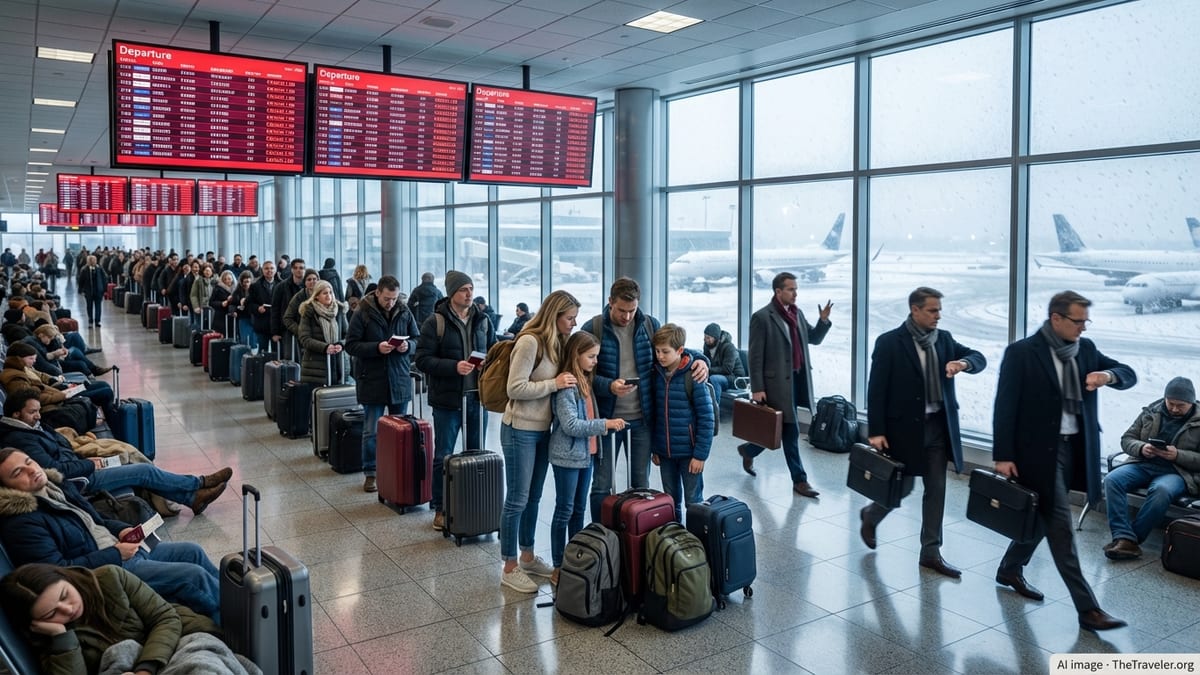
Hundreds of travelers found themselves stranded or facing missed connections on Sunday as operations at Dallas Fort Worth International Airport were hit by a wave of disruptions, with more than 250 flights delayed and a small number cancelled on a day of stormy summer weather and air traffic constraints.
Get the latest news straight to your inbox!
Delays Ripple Through One of the World’s Busiest Hubs
Dallas Fort Worth International Airport, a key gateway for domestic and long haul routes, experienced significant schedule pressure as thunderstorms and air traffic management programs slowed operations. Publicly available tracking data showed roughly 258 flights running behind schedule and at least three cancellations, a modest percentage of the day’s total traffic but enough to cascade through tightly timed connection banks.
The disruption hit during a peak summer weekend, when aircraft are heavily booked and spare seats are scarce. Even relatively small numbers of cancellations at a hub of DFW’s scale can strand connecting passengers who miss onward flights and struggle to find alternatives the same day.
Real time airport condition summaries described DFW as experiencing delays linked to weather and airspace flow measures rather than a single mechanical or staffing issue. Those constraints reduced the rate at which aircraft could land and depart, forcing airlines to pad departure times, hold aircraft at gates and, in a few cases, cancel rotations that no longer fit the compressed operating window.
Multiple Carriers Affected, From Legacy Giants to Low Cost Players
The impact was spread across a broad mix of airlines serving DFW. Reports from flight status aggregators indicated American Airlines, which operates its largest hub at the airport, absorbed the greatest share of delays simply because it runs the majority of departures. Delta Air Lines, Frontier Airlines, Sun Country Airlines and other domestic and international carriers also showed delayed or disrupted flights in departure screens and online trackers.
Examples across the schedule illustrated how widespread the ripple became. Early morning and mid day departures to major U.S. destinations such as Los Angeles, Denver and Orlando showed departure pushes ranging from minutes to well over an hour. Some services into Mexico, including flights to popular beach gateways, departed behind schedule as aircraft and crews cycled late through the hub.
Low cost operators, which often run tighter aircraft utilization, appeared particularly exposed when a single delayed inbound aircraft disrupted multiple later departures. With lean spare capacity, these airlines have fewer backup aircraft and crews available on short notice, increasing the likelihood that one prolonged delay forces a cancellation further down the line.
Transatlantic and Transpacific Connections Knocked Off Track
DFW’s role as an intercontinental gateway meant the operational crunch did not stop at U.S. borders. Passengers connecting through North Texas to destinations in the United Kingdom, Germany and Japan reported missed connections and rebookings after their feeder flights arrived late into the hub, reducing already narrow connection windows.
Published schedules show that DFW links to several major European gateways including London and Frankfurt, as well as to Japanese hubs served by both U.S. and Asian carriers. When domestic feeder flights from cities across the central and eastern United States arrive late, onward transatlantic and transpacific departures can be forced to close boarding before connecting travelers reach the gate.
On Sunday, many of those long haul flights still departed close to their scheduled times in order to preserve onward slots and crew duty limits at overseas airports. As a result, passengers arriving late from elsewhere in the United States, Mexico or Canada were often left overnight in Dallas, with rebookings pushed to the next day’s departures where space allowed.
Travelers Face Missed Events, Extra Costs and Long Lines
For affected travelers, even a relatively contained disruption translates into long waits and logistical headaches. Social media posts and online forums described lines at customer service desks and crowded gate areas as passengers from delayed flights sought answers and alternative itineraries. Those with connections to leisure destinations in Mexico reported concerns about lost vacation time, while others worried about missing work or family events in Europe and Japan.
Standard airline policies typically require carriers to provide rebooking on the next available flight in case of significant delay or cancellation, but compensation for hotels or meals can depend on the cause of the disruption. Because weather and air traffic flow restrictions are generally classified as outside an airline’s control, travelers frequently have to cover their own lodging and incidental expenses when forced to overnight unexpectedly.
Some passengers also faced complications related to checked baggage. When missed connections occur across continents, bags may continue on their originally ticketed flights without the traveler or remain at the hub awaiting re-tagging. That can lead to further delays retrieving luggage at the final destination, especially when international customs procedures are involved.
Operational Strain Highlights Broader Summer Vulnerabilities
The day’s disruptions at Dallas Fort Worth illustrated the sensitivity of the U.S. air travel system to convective summer weather and airspace constraints. Government transportation statistics for recent years show that a large share of delays nationwide is attributed to thunderstorms, national aviation system bottlenecks and late arriving aircraft, with only a small fraction classified as outright cancellations.
As carriers continue to rebuild schedules to meet strong demand, DFW’s experience underscores the challenge of operating near capacity in a season prone to afternoon storms. Airlines have added spare aircraft and crew buffers compared with the immediate post pandemic period, but high load factors and limited slack mean that any weather related slowdown at a major hub can still reverberate throughout route networks.
Travel analysts note that passengers connecting through weather sensitive hubs face elevated risk during peak summer months. Industry guidance consistently recommends allowing longer connection times, especially when linking a domestic leg to a long haul departure, and avoiding the last flight of the day on critical routes whenever possible. Sunday’s events at Dallas Fort Worth offered another reminder that even a handful of cancelled flights and a few hundred delays at a major hub can disrupt journeys stretching from small U.S. cities to destinations across Mexico, Europe and Asia.