


More news on this day
Powerful thunderstorms sweeping across western Illinois on Wednesday led to extensive damage around Monmouth, where downed trees and power lines were reported along with a freight train derailment that disrupted rail traffic and local infrastructure.
Get the latest news straight to your inbox!
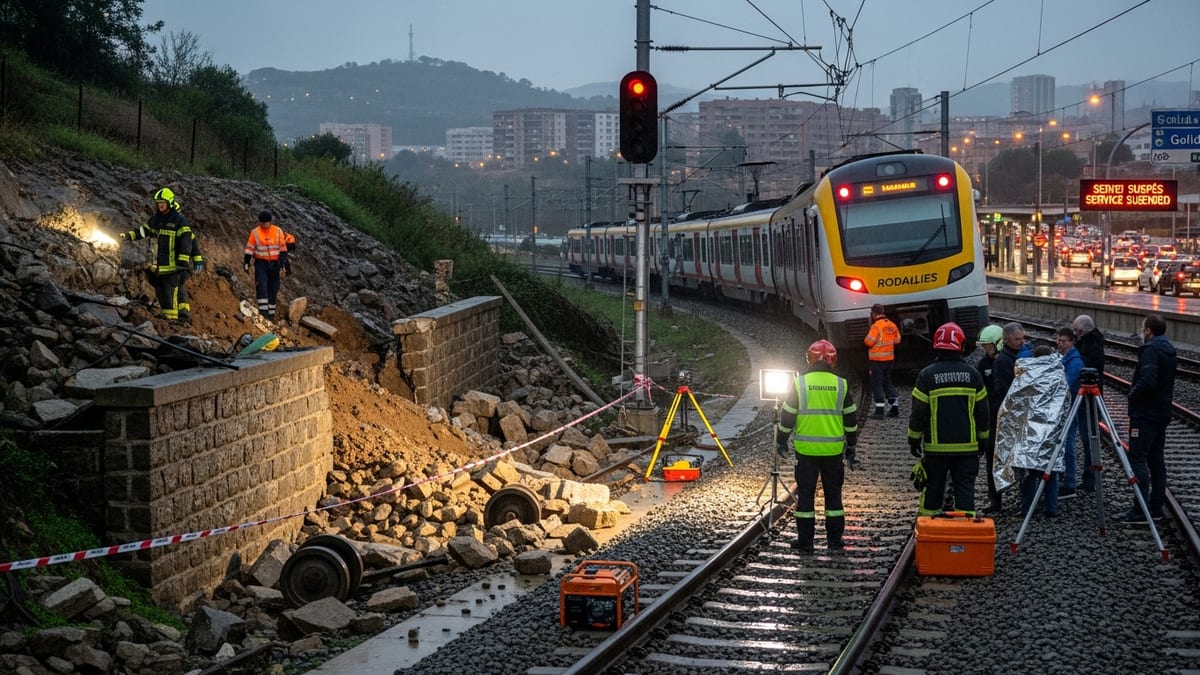
Rail Cars Off the Tracks Near Monmouth
Reports from western Illinois indicate that multiple freight rail cars derailed in rural Warren County near Monmouth after severe storms moved through on Wednesday morning. Video and images published by regional outlets show several cars off the tracks and on their sides in a field, with debris scattered along the right of way.
The derailment was reported near agricultural land outside Monmouth, affecting a freight line that carries both regional traffic and long distance trains across the Midwest. Publicly available information indicates that passenger services using the corridor were forced to adjust schedules or reroute while inspections and clearance work took place.
Early coverage from local broadcasters describes the incident as storm related, with strong winds and intense rain passing over the area in the hours before the derailment. Rail crews and contractors were photographed at the scene working with heavy equipment to stabilize cars and begin the process of clearing the track.
There were no immediate public reports of serious injuries connected to the derailment. However, the incident added to a broader pattern of disruption on rail and road networks across the region as the storm system moved through several states.
Storm Damage Widely Reported Around Monmouth
The same line of storms that coincided with the derailment produced extensive damage in and around Monmouth. Local news coverage and social media posts describe numerous trees snapped or uprooted, branches blocking secondary roads, and scattered structural damage to homes, farm buildings, and small businesses.
Images from the Monmouth area show residential streets partially blocked by limbs and debris, with utility crews working among broken poles and sagging lines. Some residents reported that wind gusts were strong enough to move outdoor equipment and overturn smaller structures, particularly in exposed rural locations.
Publicly available outage maps from energy providers showed hundreds to thousands of customers in western Illinois temporarily without power at the height of the storms on Wednesday. Travel-news readers planning to drive through the area in the following days were being advised by regional broadcasters to watch for lingering debris and intermittent lane closures as local agencies continued cleanup operations.
The damage in Warren County formed part of a broader severe weather footprint across Illinois and neighboring states, where reports ranged from downed transmission lines to roof damage and localized flooding as multiple storm cells tracked east.
Midwest Travel Disruptions After Wednesday Severe Weather
The Monmouth derailment occurred as a strong storm system brought a day of volatile conditions to parts of Illinois, Indiana, Iowa, and other Midwestern states. Forecast discussions highlighted the potential for destructive winds, large hail, torrential rain, and a few tornadoes as storms organized along a frontal boundary stretching across the region.
According to published coverage from national and regional outlets, the system prompted severe thunderstorm and tornado watches, temporary airport ground stops in major hubs, and a series of warnings that affected both morning and evening travel periods. Motorists experienced rapidly changing conditions, including blinding rain and sudden crosswinds, while some highways saw reduced visibility and standing water.
For travelers, the Monmouth area incident offered a snapshot of how quickly weather related rail issues can cascade into wider disruptions. Freight delays can ripple across the network, affecting intercity passenger services and time sensitive shipments. Airlines and intercity bus operators also frequently adjust operations when convective storms line up over key corridors.
Travel planners recommended that visitors crossing Illinois and neighboring states during the storm period build in extra time, monitor local media, and remain flexible with routing, particularly where journeys intersect with major rail lines or river crossings.
Safety Considerations for Rail and Road Travelers
While full investigations into the Monmouth area derailment will take time, the incident highlights several recurring safety considerations for travelers and trip planners in storm season. Rail operators routinely monitor weather data and may slow or stage trains when wind, flooding, or lightning risks increase, but rapid changes in local conditions can still challenge even well established protocols.
For passengers, the primary advice remains to follow carrier communications closely, especially when traveling during active severe weather periods. Delays and diversions that may be frustrating can also be indicators that speed restrictions or route changes are being applied out of caution for track, signal, and power line integrity.
On the road, visitors to the Monmouth region and the wider western Illinois corridor are being urged in public messaging to treat downed lines and blocked rural crossings with particular care. Standing water near grade crossings, tree limbs close to wires, and partially damaged poles can all pose hidden hazards after the main storm cells have passed.
Travel-news readers planning rail themed trips, including photography or railfanning along busy freight routes, are encouraged to respect all closure signs and stay well back from recovery operations. Heavy equipment, unstable rail cars, and compromised ground conditions make derailment sites particularly hazardous even when they appear quiet.
What Travelers Should Expect in the Coming Days
As crews continue to address the derailment near Monmouth and remove storm debris, travelers through western Illinois can expect a rolling return to normal operations rather than an immediate reset. Sections of track may reopen in stages, and timetables for both freight and passenger trains may remain fluid while inspections continue.
Road travelers may encounter detours around repair work on smaller county routes, and some rural areas could experience intermittent power or communication issues while utilities address remaining outages. Lodging providers along key highways may see a short term increase in stranded or delayed guests, particularly those attempting long cross country drives.
For visitors heading into or through the Monmouth area over the next several days, advance planning will be essential. Checking forecasts, confirming reservations, and monitoring carrier alerts shortly before departure can help travelers adapt to any remaining impacts from Wednesday’s storms.
The Monmouth derailment and associated storm damage underscore how quickly severe weather can reshape conditions in the Midwest, turning an ordinary travel day into a complex logistical challenge. With the peak summer travel period underway, awareness of evolving weather patterns and infrastructure vulnerabilities remains an important part of trip preparation across this part of the United States.