


More news on this day
Torrential thunderstorms swept across New Haven on Monday evening, swamping low-lying streets with floodwater and disrupting operations at Tweed New Haven Airport just as peak summer travel intensified.
Get the latest news straight to your inbox!
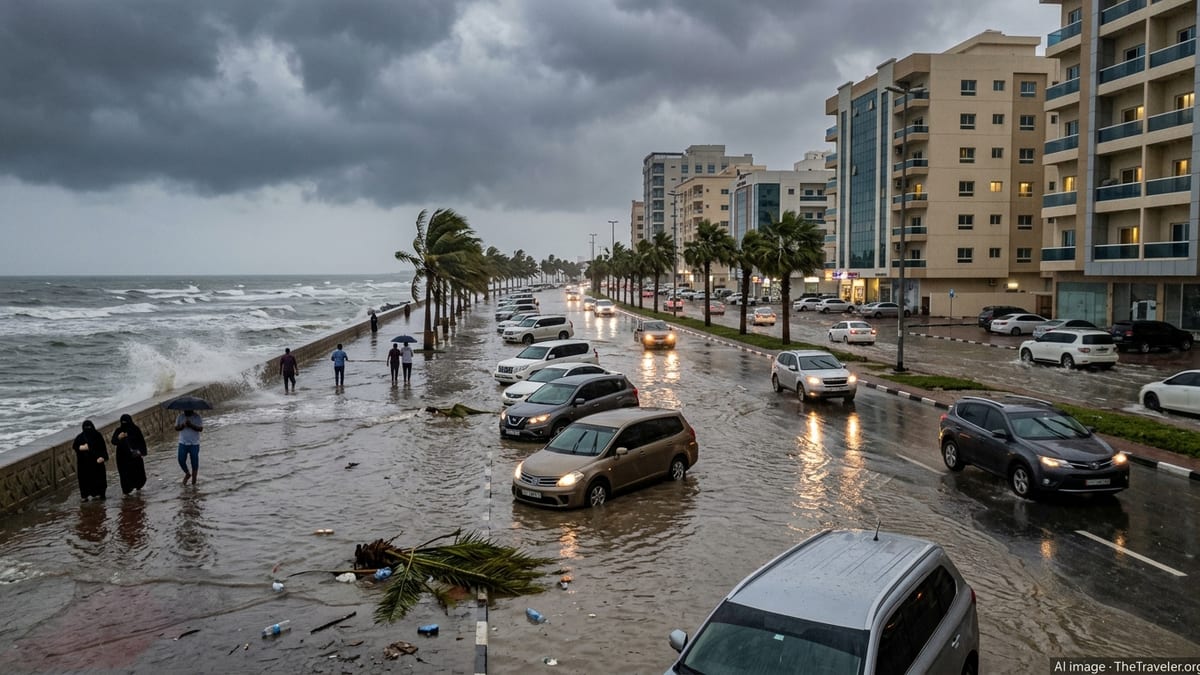
Heavy Rain Turns City Streets Into Flooded Arteries
Slow-moving storms pushed bands of heavy rain across the New Haven area, quickly overwhelming storm drains and leaving sections of key commuter routes under several inches of water. Local transportation updates described standing water on portions of Interstate 95 near the city as well as on feeder roads closer to the shoreline, where traffic slowed to a crawl and some vehicles turned back to avoid deeper pools.
Motorists attempting to reach neighborhoods near the East Shore and Morris Cove reported detours as water collected at familiar low points along Townsend Avenue and adjacent side streets. Publicly available traffic camera images and social media posts showed cars navigating wake-like ripples and avoiding blocked lanes as visibility dropped during the most intense downpours.
Transit riders also faced challenges, with reports indicating that some bus routes experienced delays as drivers steered around flooded underpasses and surface-street backups. The combination of heavy rainfall, reduced visibility, and localized street flooding extended the evening commute and complicated trips to and from the shoreline districts closest to the airport.
Emergency alerts and weather statements highlighted the risk of flash flooding in urban and small-stream locations, underscoring long-standing concerns about drainage capacity in sections of New Haven built close to sea level and tidal wetlands.
Flight Delays Mount at Tweed New Haven Airport
As storms moved through coastal Connecticut, flight-tracking data for Tweed New Haven Airport showed multiple departures and arrivals experiencing delays, with some evening services pushed back as airlines adjusted to the weather. The disruption came during an already busy stretch for small regional airports, which often rely on tight scheduling to connect leisure travelers to destinations along the Eastern Seaboard.
Publicly available airport status boards and independent flight-monitoring sites indicated that moderate rain, low clouds, and reduced visibility around the runway contributed to slower operations. While Tweed generally handles a modest number of commercial flights compared with major hubs, the compact schedule means even a handful of weather-related delays can ripple through the day, affecting passengers with connections at larger airports.
Passengers checking flight status pages for carriers serving Tweed, including low-cost routes to Florida and the Carolinas, saw rolling departure times as thunderstorms lingered along the coast. Some travelers described extended waits in the terminal and at gates while crews evaluated whether conditions would allow safe departures before new cells developed overhead.
The timing of the storms, arriving as travelers returned from the Independence Day holiday period, compounded frustration for those hoping for an on-time start to the workweek. Weather-related disruptions at larger Northeast hubs also limited options for rerouting Tweed passengers onto alternative flights.
Regional Weather Pattern Strains Northeast Air Travel
The New Haven flooding and Tweed delays unfolded against a broader pattern of severe summer weather affecting airports across the Northeast corridor. Over the past two days, major hubs including New York-area and Boston airports have reported longer-than-normal delays as thunderstorms, heavy rain, and low clouds moved through the region.
Federal airspace status updates for Monday showed several large airports operating under delay-management programs for thunderstorms, with average hold times approaching or exceeding an hour at some locations. According to published coverage of the holiday travel period, airlines serving the Northeast issued flexible rebooking waivers for affected travelers, reflecting the cumulative impact of repeated storm systems on an already crowded summer schedule.
This regional backdrop left smaller fields like Tweed particularly vulnerable. When connecting hubs are constrained by weather, downstream airports often face cascading delays as inbound aircraft arrive late and crews bump up against duty-hour limits. Travelers passing through New Haven experienced that dynamic as storms disrupted operations in multiple states along the I-95 corridor.
For many passengers, the combination of local flooding on the drive to the airport and regional delays in the skies turned what should have been a short hop into a day-long travel challenge.
Flood-Prone Airport Renews Infrastructure Questions
The latest round of storms also refocused attention on Tweed New Haven Airport’s location within a low-lying coastal floodplain. Environmental assessments and planning documents for the airport’s proposed expansion have highlighted the risk of floodwaters encroaching on airport property during strong coastal storms and heavy rainfall events, with previous flooding incidents already on record in recent years.
Public meeting materials and state regulatory filings describe recurring concerns from nearby residents about how rising sea levels, higher groundwater, and more intense rainstorms could affect both airport operations and surrounding neighborhoods. Commenters have pointed to images of floodwater on and around the airfield as evidence that climate-driven changes are already testing the resilience of existing drainage systems.
Airport planning documents outline a range of potential mitigation steps, including elevating or reinforcing portions of the airfield and terminal area and improving stormwater management infrastructure. The current bout of street flooding and operational slowdowns is likely to feed into that ongoing debate, as residents and local leaders weigh the benefits of expanded air service against the costs of safeguarding a coastal facility in an era of more volatile weather.
For travelers, the question is less about long-range engineering and more about day-to-day reliability. As Monday’s storms demonstrated, even moderate flooding on access roads and short weather holds on the runway can quickly disrupt trips at a compact airport that has little slack in its schedule.
Travelers Urged to Monitor Conditions and Build in Extra Time
Transportation and aviation updates issued during and after the storms emphasized the importance of checking real-time information before heading to the airport. As New Haven motorists contended with flooded lanes and detours, public advisories urged drivers to avoid attempting to cross water-covered roads and to allow extra time to reach their destinations.
Air travelers using Tweed and other Northeast airports were encouraged to monitor airline apps and flight-status pages frequently, as rolling thunderstorms can cause conditions to change quickly. When storms pause ground operations, even briefly, departures can stack up and recovery may take hours, especially at smaller fields with limited gate and ramp space.
Passenger advocates and travel analysts often recommend that those flying during active storm patterns arrive earlier than usual, pack essential medications and chargers in carry-on bags, and be prepared for the possibility of overnight disruption. The experience in New Haven illustrates how severe weather can affect every stage of a trip, from the flooded street outside a traveler’s home to the final approach into a regional airport.
With additional showers and storms possible in the forecast, residents and visitors in the New Haven area face at least a short stretch of unsettled weather where a simple drive across town or quick flight out of Tweed may require patience and careful planning.