


More news on this day
Houston air travelers face another day of weather trouble as slow moving storms bring heavy rain, lightning and pockets of flooding around the city, prompting rolling ground stops and mounting delays at both George Bush Intercontinental Airport and William P. Hobby Airport on Tuesday, July 14.
Get the latest news straight to your inbox!
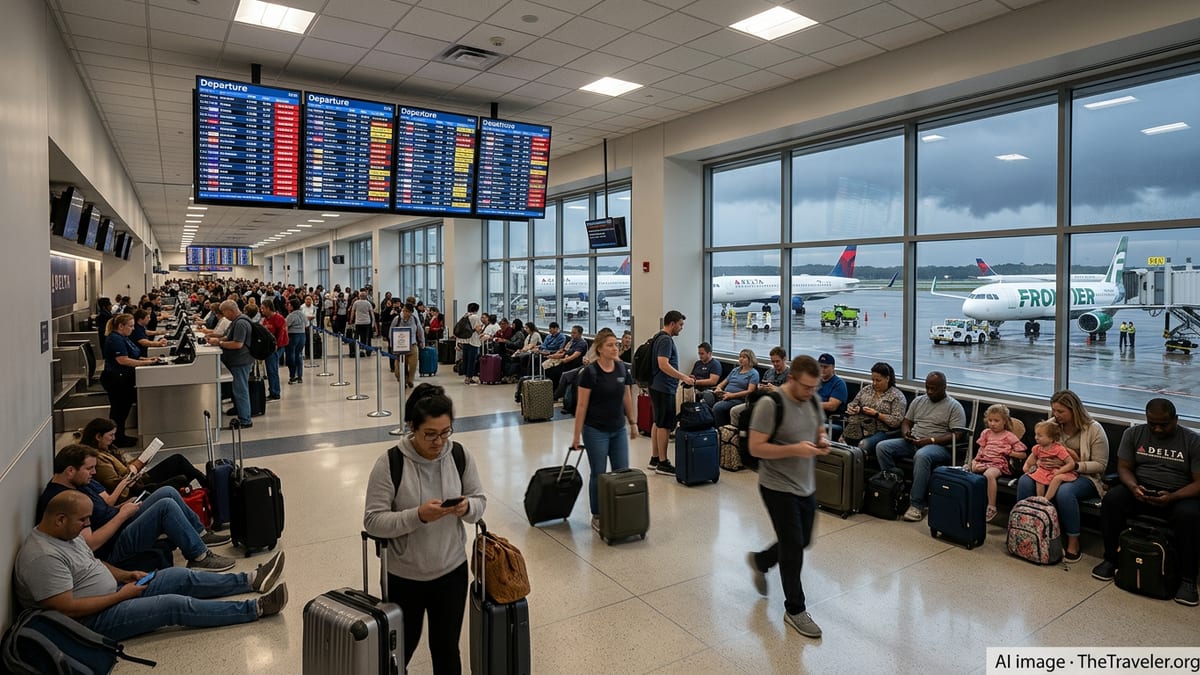
Stormy pattern keeps pressure on Houston airports
Forecasts for the Houston area call for periods of heavy rain and thunderstorms through at least Thursday, with forecasters highlighting the potential for localized street flooding and reduced visibility during the most intense downpours. The unsettled pattern is expected to keep air traffic operations under stress, particularly during peak travel hours and the busiest afternoon and evening bank of departures.
Recent coverage from local outlets indicates that Bush Intercontinental has already cycled through multiple weather related ground stops since Monday, temporarily halting takeoffs and slowing arrivals so that air traffic controllers can safely sequence flights through storms near key arrival and departure routes. William P. Hobby has seen similar constraints, with delays building as storms flare up over central and southeast Texas.
Publicly available flight tracking data shows average departure delays from Houston periodically pushing into the 45 to 60 minute range when thunderstorms sit over the metro area. Even relatively short disruptions can ripple through the system for hours, as aircraft and crews fall out of position and connections are missed.
National weather discussions also note a very moist and unstable air mass over southeast Texas, supporting repeated rounds of storms that can develop quickly and linger over the same corridor. That kind of “training” pattern is especially challenging for aviation, since it can force repeated changes to takeoff and landing configurations and narrow the window for safe operations.
Ground stops, reroutes and rolling knock on effects
When storms build near Houston’s airports, the most immediate impact for travelers is often a Federal Aviation Administration ground stop or ground delay program. These tools limit the number of flights allowed to depart for a time or stretch out arrival spacing, which reduces congestion in storm affected airspace but also slows the flow of traffic into and out of the region.
Reports from airline and airport monitoring services over the past 24 hours show Houston departures being held at the gate or on the tarmac while lightning passes and rain intensity drops. Flights bound for nearby hubs in Dallas and other southern cities have been particularly vulnerable to cascading delays as storms fire along multiple major routes.
Farther up the line, delays in Houston can trigger schedule changes for flights that use Bush Intercontinental as a connecting point. Some aircraft slated for midafternoon departures have arrived late from earlier segments, compressing turnaround times and prompting schedule shuffles. In certain cases, travelers have seen last minute gate changes or equipment swaps as airlines attempt to keep as much of the schedule operating as possible.
Travel waiver notices circulating among passengers on major carriers reference South Texas thunderstorms and low visibility concerns, allowing some Houston bound and Houston originating customers to rebook over a several day window without additional change fees. While the exact terms vary by airline and ticket type, these waivers are a sign that carriers expect intermittent disruption to continue while the stormy pattern holds.
What departing passengers from Houston should do now
For travelers flying out of Bush Intercontinental or Hobby on Tuesday and Wednesday, the most important step is to check flight status frequently. Schedules are being adjusted throughout the day as new weather cells develop, and a flight listed as on time early in the morning may shift to delayed, rerouted or even canceled if storms drift over the airport at departure time.
Airlines generally recommend that passengers remain enrolled in text or app based alerts, which are often the fastest way to receive gate changes and revised departure times. With thunderstorms in the area, it is common for airlines to implement temporary boarding holds when lightning is detected near ramp operations, slowing the loading of baggage and passengers even when aircraft are ready to depart.
Travelers should also build in extra time to reach the airport. Heavy rain around Houston can quickly back up traffic on major freeways, and high water in some low lying underpasses has been an intermittent concern this week. Those conditions, combined with longer than usual lines as multiple flights depart in a compressed window after a ground stop lifts, can make the usual arrival guidance of one to two hours before departure feel tight.
Passengers with tight connections through Houston later in the day may want to look at alternative routing options, especially if their itinerary passes through other storm affected hubs. Some travelers may be able to move to earlier flights or different connection points while seats remain available, reducing the risk of misconnecting if delays stack up in the afternoon and evening.
Advice for connecting and arriving passengers
Those scheduled to connect through Houston should pay special attention to the minimum connection time on their tickets and monitor whether inbound flights are running behind. When thunderstorms lead to a rolling series of 30 to 60 minute delays, connections that appear safe on paper can quickly become risky once flights begin arriving late from other parts of the country.
Travelers who see their layover window shrinking can often use airline apps or customer service channels to request alternate connections before they land in Houston. In some cases, rerouting through a different hub or shifting to a later connection may provide a more reliable path to the final destination than hoping all segments make up lost time.
For those arriving in Houston, the main concern will be potential holding patterns or diversions if storms intensify near the airport just as their flight approaches. While many arrivals will land without major delays, some aircraft may be routed around the strongest cells or asked to wait for a safe gap. That can add time in the air or, in rare cases, lead to a diversion to another Texas airport if fuel or safety considerations require.
Ground transportation plans may also need flexibility. Ride share wait times can spike after a burst of delayed arrivals lands, and heavy rain can slow traffic leaving the airport. Travelers with time sensitive plans in the city may want to communicate potential arrival variability to hotels, meeting organizers or ground transport providers.
How long the disruption could last
Current short range forecasts suggest that Houston’s stormy pattern will persist at least into midweek, with warm, humid air providing ongoing fuel for scattered to widespread thunderstorms. The most active periods are expected during the warmest parts of the day, although overnight storms remain possible as disturbances move across the region.
As is often the case with summertime systems along the Gulf Coast, the exact timing and placement of the strongest storms is difficult to pinpoint more than a few hours in advance. That uncertainty means airports may experience alternating stretches of relatively smooth operations and sudden slowdowns when lightning and downpours move over key approach corridors.
Travel industry data shows that summer storms are a leading cause of flight delays nationwide, and Houston’s role as a major domestic and international hub often amplifies the effect. Even if total cancellation numbers remain limited, the cumulative impact of repeated short weather holds can be significant for both local and connecting passengers.
For now, travelers with plans in or out of Houston are being urged by airlines and airport advisories to stay informed, stay flexible and prepare for the possibility that storms could add unexpected time to their journeys over the next several days.