


More news on this day
Summer thunderstorms moving through the Houston area are triggering ground delays at George Bush Intercontinental Airport, slowing departures and adding fresh disruption to one of the nation’s busiest hubs at the height of the travel season.
Get the latest news straight to your inbox!
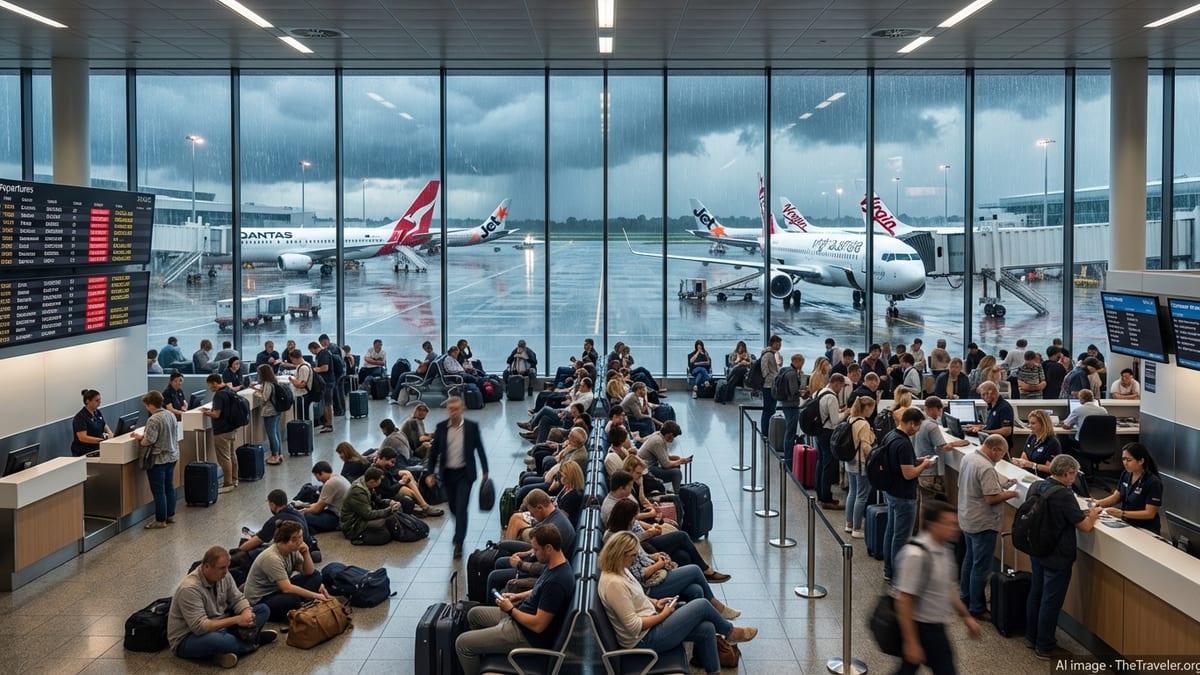
Weather Disruptions Add to a Busy Summer Travel Day
According to real time air traffic management data, operations at George Bush Intercontinental Airport are experiencing ground delays tied to thunderstorms in the region, with departures facing hold times before takeoff. Publicly available flight tracking and aviation dashboards show slower than usual movement on the airfield as storms pass near the airport and across key departure routes.
These latest slowdowns come during an already crowded July travel period for Houston, when passenger volumes remain high and afternoon convection routinely builds across southeast Texas. Forecast discussions indicate that storms forming around the metro area can intensify quickly, producing brief downpours, lightning and gusty winds, all of which can force controllers to space aircraft further apart and temporarily reduce the rate at which departures leave the ground.
While not every flight is affected in the same way, the combination of storm cells near the airport and along common flight paths is reducing departure capacity and increasing the chance of rolling delays. Aviation planners typically respond by slowing the flow of aircraft into and out of affected airports, which can lead to inbound holding patterns, reroutes and longer waits at gates for outbound passengers.
Travel data for Houston in recent weeks shows that even short lived storm events can have outsized effects on schedules, especially during peak afternoon and early evening banks. Bush Intercontinental’s role as a major connecting hub means that modest local disruptions can ripple across a wide domestic and international network.
Ground Stops and Ground Delay Programs Shape Operations
Federal air traffic coordination advisories show that Bush Intercontinental has periodically been placed under ground stops and ground delay programs this year when thunderstorms or low ceilings have moved across the Houston area. In these situations, flights destined for the airport may be held at their departure points, while aircraft at Bush are kept at gates or on ramps until weather and runway conditions are suitable for higher volume operations.
Recent advisories describe ground stops at the airport tied to convective weather, with past events citing thunderstorms as the primary impacting condition. When a ground stop is in effect, departing traffic can be paused or heavily restricted, creating queues that take hours to unwind once normal operations resume. Even after a formal stop is lifted, controllers often maintain reduced departure rates while storm cells linger nearby.
Separate planning documents outline the use of ground delay programs at Bush Intercontinental when adverse winds or storms cut into the number of aircraft that can safely depart or arrive in a given hour. Under those programs, airlines receive assigned departure times designed to meter traffic into the constrained airspace, which can translate into substantial gate holds for passengers already boarded and waiting to push back.
The current round of delays fits a broader pattern in which weather sensitive hubs across the United States, including Houston, Atlanta and Dallas, see periodic slowdowns during the warm season. For Bush Intercontinental, frequent afternoon and evening thunderstorms along the Gulf Coast corridor remain a persistent operational challenge.
Passengers See Cascading Delays Across the Network
Published flight tracking feeds and airline status boards show that delays at Bush Intercontinental often extend well beyond Houston, affecting passengers with connections and those flying to or from smaller markets that rely heavily on hub service. When departures are held on the ground due to storms, aircraft and crews can fall out of position, leading to knock on impacts hours after the worst weather has cleared.
Reports from recent weather events indicate that some flights bound for Houston have been diverted or slowed en route when storms formed ahead of their arrival window. Others have landed on time only to wait for available gates when the ramp becomes congested by earlier disruptions. These patterns can lead to missed connections as travelers attempt to navigate shifting departure times and gate changes.
Because Bush Intercontinental serves as a primary hub for domestic and international connections, even modest ground delays can quickly fill customer service lines as passengers seek rebooking options. Travel advisories from airlines have increasingly encouraged Houston bound customers to monitor their flight status closely and to build extra time into itineraries that rely on tight connections through the airport, particularly on storm prone afternoons.
Longer delays can also strain ground transportation and nearby hotels, as late night arrivals push back into early morning hours and some travelers are forced to overnight in Houston. Ride share pickup areas and rental car counters typically see brief surges when multiple delayed flights arrive in quick succession after a weather related push.
Stormy Pattern Highlights Seasonal Vulnerability
Meteorological summaries for July show that the Houston region has moved through a stretch of unseasonably active storm days, with scattered thunderstorms repeatedly flaring along sea breeze boundaries and outflow tracks. While many of these storms are short lived and highly localized, their intensity near key approach and departure corridors can be enough to disrupt tightly timed airport operations.
Weather outlooks for the coming days point to continued summer heat with a daily risk of pop up storms, especially during the late afternoon and early evening. For aviation, that pattern translates into an ongoing possibility of brief but impactful slowdowns at Bush Intercontinental whenever storms approach runway thresholds or produce lightning close to ramp areas, where ground crews must periodically halt work for safety.
Historical data from recent years underscores that Houston’s main international gateway is particularly sensitive to fast forming convective systems that develop along the Gulf Coast. Tropical systems and more organized storm complexes have previously produced extensive cancellations and diversions across the region, highlighting how regional weather can reshape operations even when the airport itself remains open.
With climate variability contributing to episodes of heavier rainfall and frequent thunderstorms along the Texas coast, aviation planners and airlines serving Bush Intercontinental continue to prioritize flexible scheduling and real time adjustments to minimize disruption. Nonetheless, passengers traveling through the airport during the stormy season remain exposed to the possibility of sudden ground delays and schedule changes.
What Travelers Through Bush Airport Should Expect
For passengers scheduled to travel through Bush Intercontinental while storms remain in the forecast, the current pattern suggests a higher than usual chance of day of travel changes. Same day schedule monitoring and proactive check in practices can help travelers respond quickly when departure times shift or connections tighten due to weather induced ground delays.
Publicly available travel guidance generally recommends allowing additional buffer time for itineraries involving Houston during active weather periods, particularly for international trips where rebooking options may be limited. Carry on essentials, flexible plans at the destination and awareness of rebooking tools can reduce the stress of dealing with unexpected holds on the tarmac or at the gate.
As the peak summer travel season continues, operational data and recent experience indicate that Bush Intercontinental will likely see more weather related disruptions on days when thunderstorms develop near the airport. While many flights will still depart close to schedule, travelers should be prepared for the possibility of holding patterns on the ground as air traffic managers work to move aircraft safely through the stormy skies over Houston.