


More news on this day
Travel across Belgium was severely disrupted this week as a sudden stoppage by Belgian air traffic controllers forced widespread delays and cancellations at Brussels Airport, affecting at least 170 flights and halting services on routes to London, Prague, Abidjan, Tunis, Frankfurt and other major destinations.
Get the latest news straight to your inbox!
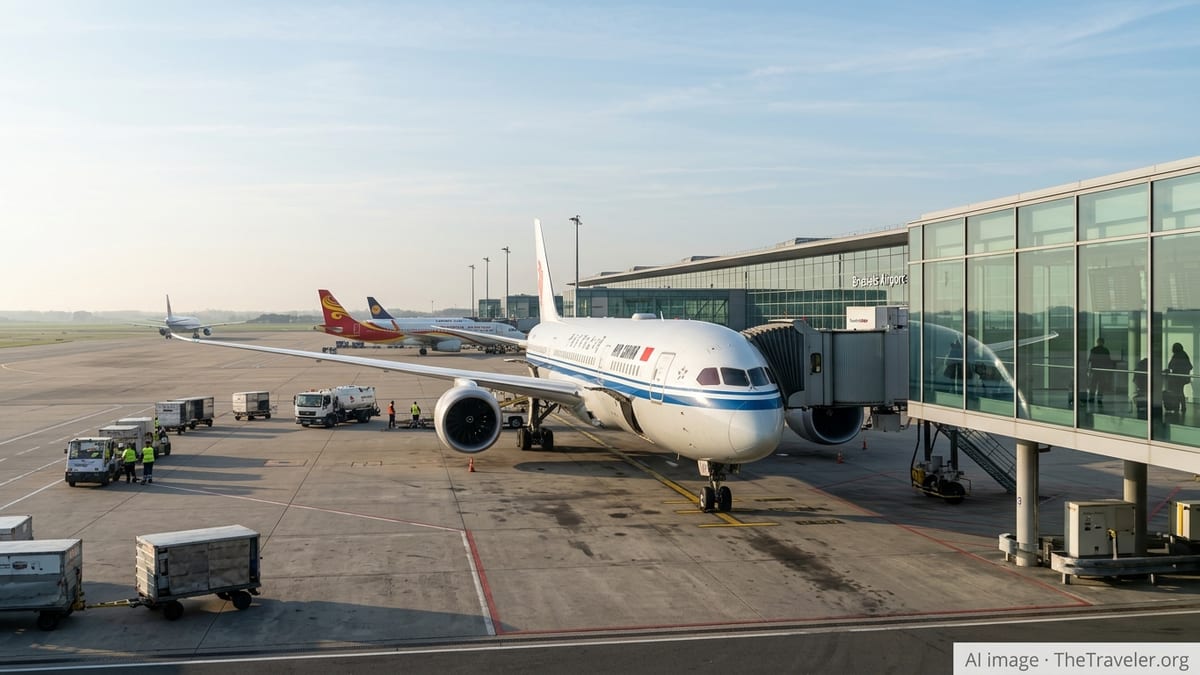
Sudden Air Traffic Control Walkout Paralyzes Belgian Skies
Publicly available information indicates that a wildcat action by Belgian air traffic controllers on 2 June brought large parts of the country’s airspace to a standstill for several hours, with arrivals and departures at Brussels Airport among the hardest hit. The disruption reportedly affected traffic up to 25,000 feet, forcing airlines to delay, divert or cancel flights at short notice and leaving thousands of passengers in terminals across Belgium.
Online flight status boards and passenger accounts describe a rapid escalation from minor delays to near-total shutdown over the seven-hour window of the stoppage. Flights scheduled to land or depart during the afternoon and early evening were particularly affected, with many services first showing extended delays before being marked as cancelled as the disruption unfolded.
The interruption came at the start of the busy June travel period for Brussels Airport, which serves as Belgium’s main international gateway. The airport typically connects travelers to more than 200 destinations worldwide, making it a critical hub for both intra-European and intercontinental journeys. The timing of the stoppage compounded the impact for holidaymakers, business travelers and connecting passengers.
While some operations resumed later in the evening once airspace restrictions were lifted, the backlog of aircraft and crews created a knock-on effect into the following day, with further delays and schedule changes reported on 3 and 4 June.
British Airways, Brussels Airlines and Ryanair Among Affected Carriers
Major European carriers with strong schedules to and from Brussels were among those most affected by the disruption. Public timetables and tracking data show that British Airways, Brussels Airlines and low cost operator Ryanair all faced significant operational challenges as flights were pushed back or cancelled while airspace remained constrained.
Brussels Airlines, based at Brussels Airport and operating an extensive European and African network, saw delays ripple across its short and medium haul schedule. Services linking Brussels with key business destinations such as Frankfurt and Manchester registered late departures and altered timings, illustrating how a local air traffic issue quickly spread across the airline’s wider network.
British Airways, which runs multiple daily services between Brussels and London, was also caught in the disruption. According to tracking platforms and delay-monitoring services, some flights connecting Brussels with the British capital were delayed or cancelled as aircraft and crews became out of position and departure slots were restricted during the stoppage.
Ryanair, which serves Brussels and Brussels South Charleroi Airport, faced its own set of challenges, with scheduled flights from Belgium into Eastern and Southern Europe experiencing operational disruption. Recent history of strike-related cancellations at Belgian airports meant many Ryanair passengers were already alert to the possibility of sudden changes, but the speed of the latest stoppage still left many travelers scrambling to rebook.
Key Routes Hit: London, Prague, Abidjan, Tunis and Frankfurt
The airspace shutdown quickly translated into disruption on a range of high-demand routes. Services between Brussels and London, one of the airport’s busiest corridors, were among the first to be affected as departure and arrival slots were suspended during the critical afternoon and early evening period. Travelers connecting through London to long haul destinations faced missed connections and overnight stays as a result.
Central and Eastern European routes, including flights to Prague, also experienced disruption as aircraft bound for Belgium were held at origin airports or diverted. Passengers reported late-notice changes and rolling delay estimates as airlines waited for clarity on when Belgian airspace would reopen.
On Brussels Airlines’ African network, flights linking Abidjan and other West African cities to Brussels were impacted by the timing of the stoppage. Adjusted arrival and departure times created challenges for passengers relying on onward connections to European cities such as Frankfurt, one of Brussels Airport’s most important partner hubs. Some Frankfurt-bound flights were either cancelled outright or delayed sufficiently to prevent same-day onward travel.
North African links, including connections to Tunis operated by carriers such as Tunisair and codeshare partners, were similarly caught up in the disruption. In several cases, aircraft that would normally rotate quickly between Brussels and Mediterranean destinations were forced to remain on the ground, creating further schedule adjustments across the region.
Passenger Experience: Long Queues, Uncertainty and Missed Connections
Accounts shared on social platforms and travel forums describe lengthy queues at check in, security and passport control at Brussels Airport during and after the stoppage. Some arriving passengers reported already facing extended waits at border control earlier in the week, and the sudden wave of rescheduled flights significantly added to congestion in the terminal.
Many travelers described a sense of uncertainty as flight status boards repeatedly shifted between “delayed” and “cancelled,” with some services updated only shortly before scheduled departure times. With air traffic control restrictions outside the direct control of airlines, customer service teams were often limited to offering rebooking options and information about passenger rights under European compensation rules.
The disruption also created difficulties for travelers with complex itineraries or separate tickets. Passengers connecting in Brussels to onward long haul or regional flights reported missed connections, unexpected overnight stays and challenges reclaiming checked baggage. In several cases, travelers chose to abandon their original itineraries and purchase new tickets on alternative routes once it became clear that their original flights would not operate as planned.
Despite the difficulties, some services were able to depart after the airspace reopened, though often with several hours of delay. This created a patchwork of outcomes in which passengers on similarly timed flights experienced very different levels of disruption depending on exact schedule and routing.
Ongoing Knock-On Effects and What Travelers Should Expect Next
By 4 June, schedules at Brussels Airport were largely restored, but residual delays and isolated cancellations continued as airlines repositioned aircraft and crews. Industry observers noted that even a short period of airspace closure can take days to fully resolve within tightly timed European networks, particularly at the start of a peak travel month.
Passenger advocacy groups and travel rights organizations pointed travelers to European Union and United Kingdom regulations governing delays and cancellations, advising passengers to keep records of boarding passes, delay notifications and receipts for any additional expenses incurred. Under these frameworks, compensation eligibility depends on the cause of the disruption and whether it is considered within an airline’s control.
Travel analysts suggested that passengers with upcoming flights to or from Brussels, London, Prague, Abidjan, Tunis, Frankfurt and other affected destinations in the coming days should continue to monitor flight status closely. Checking airline websites and flight tracking services before leaving for the airport, they said, remains essential when air traffic control or labor issues are ongoing or unresolved.
Looking ahead, the episode has renewed debate in Belgium and across Europe about the vulnerability of air travel to sudden industrial actions in critical sectors such as air traffic control. For now, travelers using Brussels Airport are being advised to allow extra time, maintain flexibility in their plans where possible and stay alert to further operational updates as airlines work to stabilize their schedules.