


More news on this day
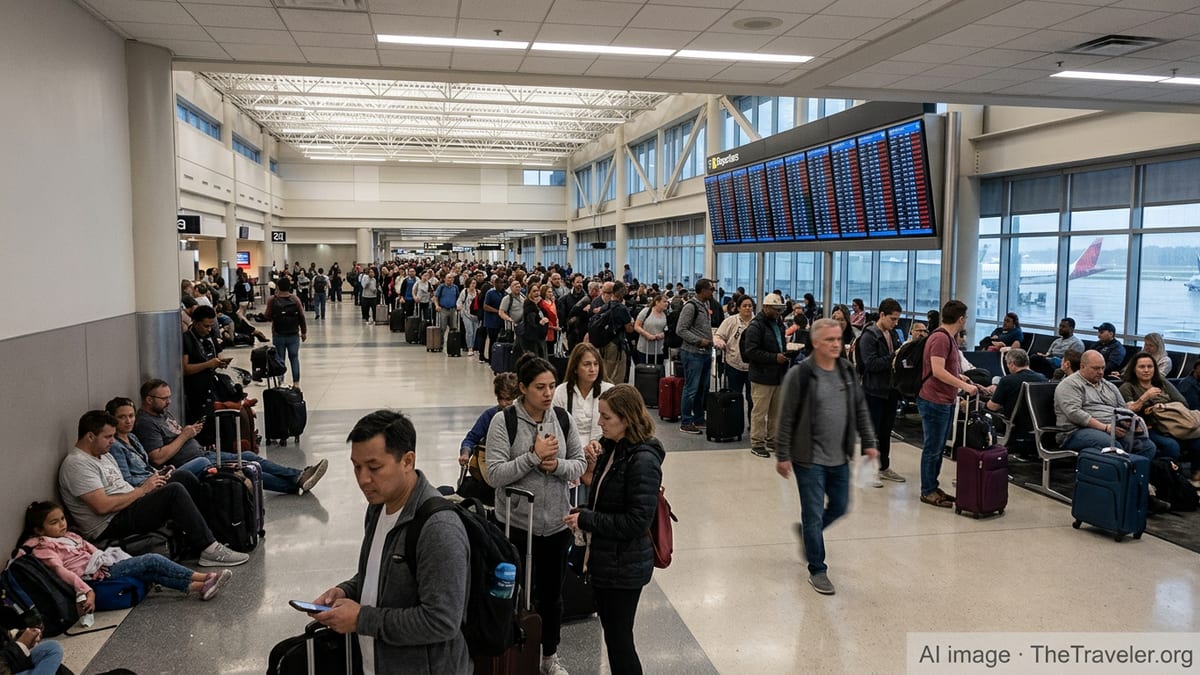
Major U.S. airlines are expanding summer 2026 travel alerts as severe weather across the Gulf Coast and Southeast combines with already strained networks, raising the risk of delays and cancellations from Alabama and Florida to Texas, Georgia and New York.
Get the latest news straight to your inbox!
Alabama Emerges as a New Hot Spot for Weather Disruption
Alabama is increasingly being flagged in airline advisories as a corridor of concern, as repeated pulses of tropical moisture move inland from the Gulf of Mexico. Publicly available forecasts indicate that the remnants of early-season tropical systems are fueling rounds of heavy rain and thunderstorms from eastern Texas through Louisiana, Mississippi, Alabama, the Florida Panhandle and into western Georgia, a pattern that can quickly ripple into aviation schedules at regional and national level hubs.
Recent guidance from Alabama’s emergency and weather agencies highlights the potential for particularly dangerous and life-threatening flooding, with some Gulf-adjacent counties projected to receive many inches of rain in short windows of time. When that level of rainfall intersects with already busy summer travel periods, airports in and around the state can see ground stops, inbound diversions and rolling delays that stretch well beyond the immediate storm zone.
While Alabama’s airports do not handle the volume of Atlanta or major Florida gateways, they sit within the same storm tracks and air traffic corridors. As a result, airlines routing aircraft across the Southeast are increasingly building Alabama-linked disruptions into their system-wide travel alerts, warning that weather-related schedule changes could cascade across connecting itineraries throughout summer 2026.
Gulf Coast and Southeast: Florida, Texas and Georgia Under Pressure
The broader Gulf Coast and Southeast remain at the center of 2026’s early summer disruption risk. Meteorological analysis shows that lingering tropical moisture and unstable air masses are expected to generate repeated rounds of heavy rainfall and severe thunderstorms from the mid and upper Texas coast across southern Louisiana, Mississippi, Alabama, the Florida Panhandle and western Georgia. In practice, that means major hubs such as Houston, Dallas, Atlanta, and key Florida airports face regular operational challenges as storms flare along key flight paths.
Travel industry coverage notes that prolonged rainfall and flooding in this band of states can force temporary airport closures, make access roads impassable and disrupt fuel deliveries. For airlines, that combination can translate into aircraft and crew being out of position, missed connections for passengers and extended tarmac queues as carriers wait for storm cells to clear. Even when airports remain open, air traffic control may meter departures and arrivals more slowly, compounding delays as the day progresses.
Airlines typically respond to these patterns by issuing flexible rebooking policies for affected cities, allowing travelers to move trips forward or back a few days when specific storm systems are forecast. Reports suggest that such waivers have increasingly referenced clusters of states in the Gulf and Southeast, rather than single airports, reflecting how quickly convective weather can shift and affect multiple metros on the same day.
New York and the Northeast Face Capacity and Weather Squeeze
Far from the Gulf Coast, New York and the broader Northeast are bracing for their own strain as summer demand peaks. Industry reporting from early June points to major airports serving New York City, including John F. Kennedy International, LaGuardia and Newark Liberty, operating near capacity after several seasons marked by runway work, air traffic staffing challenges and bouts of severe weather. The result has been a fragile operating environment in which thunderstorms or low cloud ceilings can lead to extensive holding patterns and ground delay programs.
Historical performance data for Northeast hubs show that when storms sweep across the Mid-Atlantic and New England, New York airports frequently rank among the nation’s leaders for delays and cancellations on affected days. Because these airports are critical connection points for both domestic and transatlantic networks, even a few hours of disruption can reverberate into Florida, Texas and other regions as aircraft and crews are rotated to recover schedules.
Recent travel waivers from major carriers have repeatedly included New York alongside Southern and Midwestern airports when bands of thunderstorms are forecast along the Eastern Seaboard. Publicly visible advisories emphasize that itineraries involving New York connections in summer 2026 remain vulnerable to last-minute time changes, extended taxi times and missed onward flights, even when departure cities are far from any active storms.
Airlines Lean on Travel Alerts, Waivers and Capacity Tweaks
Against this backdrop, large U.S. airlines have stepped up the use of advance travel alerts and flexible policies as tools to manage passenger flows. Published guidance from carriers such as American Airlines, Delta Air Lines and United Airlines for 2026 highlights detailed procedures for rebooking missed connections, understanding the difference between delays and outright cancellations, and determining what assistance may be available when disruptions are within an airline’s control.
In some cases, airlines are also refining their network schedules for late summer, trimming or seasonally adjusting select domestic routes in August and September to better align capacity with operational realities. Public statements describe these moves as routine capacity management, but analysts note that easing pressure on overtaxed hubs can help carriers recover more quickly from inevitable weather-related interruptions.
Travel forums and advisory sites tracking real-time operations report that during recent storms, hubs such as Dallas–Fort Worth, Atlanta and New York-area airports have seen waves of evening cancellations as repeated weather holds lead crews to reach duty limits. The combination of heavy summer demand, constrained spare aircraft and staffing limits makes it harder to absorb even localized storms without visible knock-on effects across the national network.
What Summer 2026 Travelers Should Expect Across the Network
For travelers planning trips in the heart of the 2026 summer season, the emerging pattern suggests a higher baseline risk of disruption across multiple regions rather than a single trouble spot. Alabama’s inclusion alongside Florida, Texas, Georgia and New York in many travel discussions reflects a recognition that the Gulf Coast storm corridor and the congested Northeast are now tightly connected in the same operational web.
Consumer advice circulating across airline and travel platforms encourages passengers to monitor carrier-issued travel alerts closely in the days before departure, particularly for itineraries that pass through known summer pinch points such as Dallas–Fort Worth, Houston, Atlanta, Miami, Orlando, New York and nearby Southeastern airports. Early-morning departures, longer connection times and flexible day-of-travel plans are widely recommended strategies to reduce the impact of rolling ground stops and thunderstorms.
While no airline can fully insulate its operations from the combination of tropical moisture, severe convective storms and high summer demand, carriers appear to be leaning more heavily on proactive communication and waivers to keep passengers informed. With Alabama now firmly on the radar alongside larger coastal states, the 2026 summer travel season is shaping up as a test of how well airlines can manage widespread, weather-driven disruption across an interconnected national network.