


More news on this day
India’s largest airline IndiGo is facing delays to its planned 2026 induction of Airbus A321XLR aircraft, as supply chain disruptions and geopolitical tensions slow the delivery of several jets that were expected to arrive this year.
Get the latest news straight to your inbox!
Fewer A321XLRs than planned for 2026
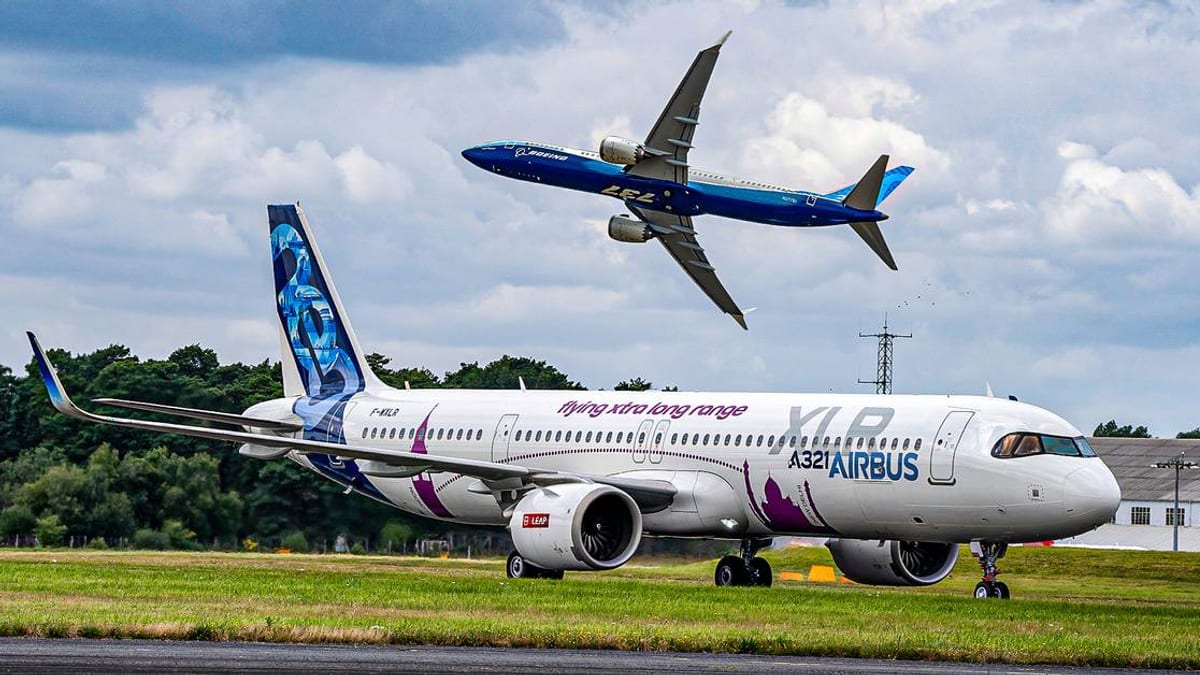
According to recent business and aviation coverage, Airbus is falling behind on deliveries of the A321XLR to IndiGo, with the carrier now unlikely to receive the full batch of nine aircraft it had expected in calendar year 2026. Reports indicate that at least some of those jets will slide beyond this year, disrupting a carefully sequenced fleet plan built around the long range narrowbody type.
IndiGo formally disclosed earlier in 2026 that it has a firm order for 40 A321XLRs, with nine scheduled for delivery in 2026 and the balance to arrive in subsequent years. The airline has already taken delivery of India’s first A321XLR and begun using the type on international routes, but the latest information suggests that the initial ramp up will be more gradual than initially envisaged.
Financial presentations to investors in late May and early June have also flagged aircraft delivery headwinds more broadly, with IndiGo signalling that capacity growth in its 2026 to 2027 financial year is likely to remain in single digits. The slower than planned flow of A321XLRs is one factor behind that softer growth outlook, alongside earlier engine related groundings and general aircraft supply constraints.
For IndiGo, which has built its strategy on rapid network expansion, the revised delivery profile means some near term ambitions will be pushed back, even as demand in India’s international markets continues to climb.
Global supply chain and conflict weigh on production
Publicly available information from business media and industry analysts links the IndiGo delays to wider strains across the Airbus narrowbody supply chain. The A321XLR shares key structures, systems and cabin components with the broader A320neo family, and suppliers have been contending with parts shortages, logistics bottlenecks and labour constraints.
Coverage of the situation highlights the impact of ongoing conflicts in the Middle East and other regions, which have complicated the flow of materials and disrupted some specialist manufacturing capacity. These pressures follow several years of pandemic related interruptions, leaving the industrial system with limited slack just as demand for new aircraft has surged.
Airbus had already warned in earlier years that certification work and component availability could affect the initial A321XLR delivery timeline. While the aircraft entered service and first units have been handed over to airlines in North America, Europe and India, the latest reports suggest the production system remains finely balanced, with individual customer schedules vulnerable to disruption.
Analysts note that IndiGo is not alone in experiencing revised A321XLR handover dates. Other carriers planning to use the type for transatlantic and long thin routes have also reported delivery drift, underscoring that the issue is systemic rather than specific to a single airline.
Impact on IndiGo’s international growth plans
The A321XLR is central to IndiGo’s push beyond its traditional short haul and regional footprint. With its extended range and improved fuel efficiency compared with earlier narrowbodies, the aircraft is designed to connect Indian metros to destinations across Europe, East Africa, Southeast Asia and parts of East Asia without the need for widebody jets.
IndiGo has already begun demonstrating this strategy by deploying its first A321XLR on routes such as Delhi and Mumbai to Athens, according to recent network and fleet commentary. Additional frames were expected to open new nonstops deeper into Europe and to longer haul leisure markets, providing an alternative to hub connections via the Gulf.
With several 2026 deliveries now delayed, IndiGo may need to defer or phase in some of those route launches. Industry observers suggest the airline is likely to lean more heavily on its existing A321neo fleet, upgauge selected high demand regional routes, or rely on intermediate stops for certain long sectors until more XLRs arrive.
Capacity planners following the carrier point out that IndiGo still expects to grow its fleet and daily departures over the next few years, but on a slightly flatter curve than previously assumed. The airline has signalled it will remain flexible in matching aircraft to markets, balancing near term constraints against longer term network ambitions.
Broader narrowbody delivery challenges
The IndiGo situation reflects a wider pattern of delayed narrowbody deliveries affecting airlines on several continents. Recent commentary from other A321XLR customers, including North American and European carriers, indicates that they too are grappling with aircraft arriving later than originally contracted.
Manufacturers and suppliers are working to lift production rates of new generation jets, but seat makers, cabin outfitters and engine manufacturers in particular are still contending with component shortages and capacity limits. Legal and advisory analyses of the aircraft financing market published in early 2026 note that delivery delays have become a central theme in negotiations between airlines, lessors and original equipment manufacturers.
For airlines, the knock on effects range from lost revenue opportunities to higher operating costs as older aircraft are kept in service longer than planned. Some carriers have also reported schedule disruption when expected new aircraft fail to materialise on time, forcing last minute equipment changes and charter arrangements.
Industry estimates suggest that while the worst of the pandemic era disruption has passed, the aircraft production ecosystem remains vulnerable to shocks. The A321XLR, as one of Airbus’s most in demand models, is particularly exposed to any weakness in the supply chain.
What delays mean for travelers and competitors
For passengers, the immediate impact of IndiGo’s A321XLR delays is likely to be felt in the timing and availability of new long haul point to point routes. Some nonstops that had been anticipated for late 2026 may now appear later or start with limited frequencies, depending on how quickly additional aircraft are delivered.
Travelers may also see equipment substitutions on certain routes marketed with the XLR, particularly where IndiGo opts to operate standard A321neo aircraft or connect via partner hubs while waiting for more long range jets. While these alternatives can maintain network coverage, they may offer different cabin layouts or onboard product features compared with the dedicated long range narrowbody.
Competitor airlines in the Gulf, Europe and Southeast Asia could gain a short term advantage from IndiGo’s slower wide ranging rollout, especially on emerging India to Europe city pairs where first mover benefits are important. However, market watchers generally continue to view IndiGo’s long term A321XLR strategy as intact, with the main question now centred on timing rather than direction.
As supply chain conditions gradually normalise, industry forecasts still anticipate a significant build up of A321XLR capacity in India over the next several years. For now, though, the latest reports show that even the country’s largest carrier is not immune to the global parts and production constraints reshaping aircraft delivery schedules.