


Tampa is one of Florida’s most easygoing big cities, a place where palm-lined riverfront paths, Cuban-influenced neighborhoods, and roller coasters share the same skyline. For first-time visitors, the city can feel pleasantly compact yet surprisingly varied, with downtown towers facing a broad bay, historic Ybor City just a short streetcar ride away, and white-sand Gulf beaches within an hour’s reach. This guide walks you through where Tampa is, the best areas to base yourself, essential sights like the Riverwalk and Ybor City, nearby beaches, food and nightlife, safety and transport, plus practical first-time tips so you can plan with confidence.
Get the latest updates straight to your inbox!
Where Tampa Is and How Long to Stay
Tampa sits on Florida’s west coast along Tampa Bay, roughly an hour and a half west of Orlando by car and a short drive across bridges from St. Petersburg and Clearwater. The city hugs the Hillsborough River as it meets the bay, so much of what visitors experience is on or near the water: a riverfront downtown, a modern cruise port, and a network of causeways leading toward the Gulf of Mexico. Tampa International Airport is about a 15 to 20 minute drive from downtown in light traffic, so you can often be at your hotel less than an hour after landing.
For a first visit that includes the downtown sights, Ybor City, Busch Gardens, and at least one beach day, many travelers find that three full days is a comfortable minimum. With three days you might spend one day centering on the Riverwalk and waterfront attractions, one at Busch Gardens or the zoo, and one crossing the bay toward St. Pete or Clearwater Beach. If you want a slower pace with pool time and more evenings out, consider four or five days, especially in winter and early spring when the weather is usually warm and drier.
Tampa works well both as a standalone city break and as part of a longer Florida itinerary. Some visitors pair a long weekend in Tampa with a few days at theme parks in Orlando, driving the roughly 90 minutes between cities. Others treat Tampa as a base and take day trips to smaller communities like Dunedin, Tarpon Springs, or Gulfport for a different feel from the high-rises and stadiums around the bay.
Weather will shape your stay. Winters are generally mild and comfortable, with many locals eating outdoors on December evenings. Summer brings heat, humidity, and frequent afternoon thunderstorms, so it is wise to plan outdoor sightseeing for mornings or evenings and expect indoor breaks in museums, malls, or your hotel during mid-afternoon.
Best Areas to Stay for First-Time Visitors
For most first-time visitors, Downtown Tampa and the adjacent Water Street and Channelside districts are the most convenient places to stay. This is where you will find large hotels near the convention center and arena, a cluster of higher-end waterfront properties, and easy access to the Tampa Riverwalk. From a room in this area, you can often step straight out to the water, rent a scooter or bicycle, or walk to restaurants at Sparkman Wharf or along the river. The free TECO Line Streetcar connects this district to Ybor City, so you can explore historic streets at night without needing to drive.
If you prefer a more residential feel within a short ride of downtown, Hyde Park and the SoHo corridor are good alternatives. Hyde Park Village mixes brick-lined streets, early 20th-century homes, and an outdoor shopping district with cafes, boutiques, and restaurants. Many visitors choose boutique hotels or vacation rentals here so they can walk to dinner along South Howard Avenue, then take a short rideshare back to the Riverwalk. This area is especially appealing if you want nightlife and dining that is busy but not as intense as the late-night clubs of Ybor.
Ybor City itself can also work as a base for certain travelers. The neighborhood is Tampa’s historic Latin quarter, with restored brick warehouses, balconies, and cigar factories converted into bars, galleries, and restaurants. A hotel like one of the renovated historic properties around 7th Avenue puts you in the middle of the action, and the free streetcar can take you downtown in about 15 to 20 minutes. However, noise from clubs and late-night crowds can be significant on weekends, and some side streets feel quiet and less comfortable to walk late at night, so it suits night owls more than light sleepers.
Travelers who plan to focus on theme parks sometimes choose the Busch Gardens and University of South Florida area in North Tampa. Here, national-chain hotels cluster along main roads within a short drive or shuttle ride of Busch Gardens and the water park Adventure Island. While this is convenient for families or groups planning early park starts, the area is more spread out and car-oriented, and most restaurants are in strip malls rather than walkable districts. If you care more about the Riverwalk and nightlife than roller coasters, downtown or Hyde Park will feel more satisfying.
Essential Things to Do in Tampa
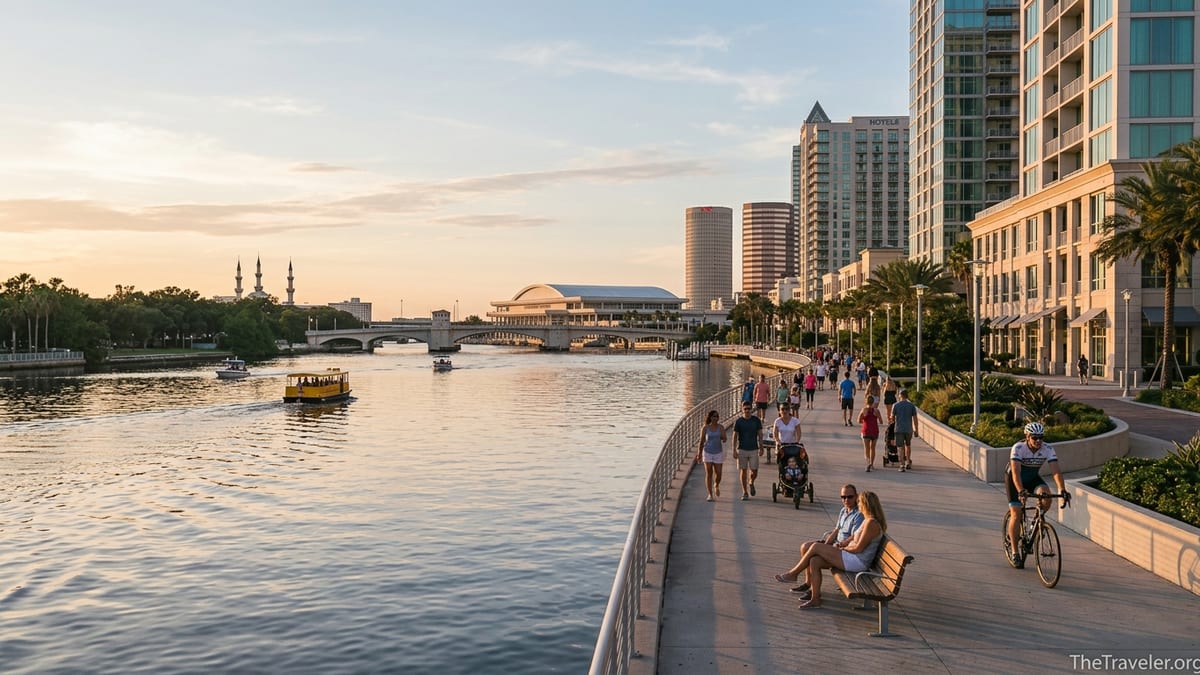
The Tampa Riverwalk is the city’s star attraction for many first-time visitors. This roughly 2.5 mile paved path follows the Hillsborough River through downtown, connecting a string of parks, museums, and restaurants. A simple way to start your trip is to walk a section near Curtis Hixon Waterfront Park, where families spread out on the lawn, kids play in fountains, and the skyline reflects on the river at sunset. You can continue along the path past the Tampa Museum of Art and the Glazer Children’s Museum toward Armature Works, a converted streetcar warehouse that now houses a food hall and rooftop bar.
Along the eastern end of the Riverwalk near the cruise terminals, you will find the Florida Aquarium and the Tampa Bay History Center. Many visitors pair a morning at the aquarium, looking at manatees and reef tanks, with lunch at nearby Sparkman Wharf, where shipping containers house casual food stalls and open-air seating faces the water. From this area, you can pick up small electric rental boats to cruise the river on your own or catch a hop-on, hop-off water taxi that stops at various docks along the Riverwalk.
Beyond the riverfront, ZooTampa at Lowry Park is a popular family attraction, known for its shaded pathways and focus on Florida wildlife like manatees, panthers, and native birds. Outdoor enthusiasts can head a short drive north of the city to Hillsborough River State Park to rent a canoe or kayak and paddle past cypress trees and small rapids, especially pleasant on cooler mornings. Sports fans may plan their trip around a Tampa Bay football, hockey, or baseball game, as the city’s stadiums and arenas host professional teams and frequent concerts.
Visitors who enjoy culture can look for performances at the Straz Center for the Performing Arts near the north end of the Riverwalk or catch an indie film or classic movie at the historic Tampa Theatre, a 1920s movie palace with a lavish interior. Depending on the season, the city also hosts festivals from the pirate-themed Gasparilla parades in winter to food and music events that fill downtown parks on weekends, so checking the local events calendar before your trip can help you time your visit.
Exploring the Riverwalk and Ybor City
The Riverwalk rewards both leisurely strolls and longer walks if the weather cooperates. In cooler months, you can comfortably cover most of the path on foot, stopping at public art installations and small detours like the University of Tampa’s minaret-topped campus across the river. In the summer heat, many visitors walk shorter segments, for instance from their hotel to Armature Works for dinner and back, or from the history center to a park near the convention center, relying on water taxis or rideshares to cover longer distances.
At night, portions of the Riverwalk are lit and feel lively with joggers, couples, and families, especially near Curtis Hixon Waterfront Park, the convention center, and major hotels. Outdoor bars along the water, such as those attached to hotel patios or small standalone spots, often fill with people enjoying views of the river and bridges. A typical evening for a first-time visitor might involve an early dinner at Armature Works, a stroll along the Riverwalk at golden hour, and then a drink at a riverside bar watching paddleboarders and small boats glide by.
Ybor City offers a very different atmosphere, with narrow brick streets, wrought-iron balconies, and neon signs over 7th Avenue. By day, you can visit a working cigar factory, sip café con leche and eat Cuban sandwiches at long-running cafes, and browse small vintage shops and art galleries. As the sun sets, the area shifts toward nightlife, with live music venues, cocktail bars, and clubs attracting a younger crowd and visitors from downtown. Many first-timers choose to ride the TECO Line Streetcar from near the convention center to Ybor in the early evening, walk 7th Avenue, have dinner at a local restaurant serving Cuban or Spanish dishes, and then decide how late they want to stay.
Because Ybor’s nightlife can run late and involve heavy drinking, first-time visitors are wise to stay on the main avenues, travel in groups after dark, and plan how they will return to their hotel before they arrive. The streetcar is free and runs into late evening on weekends, but rideshare services are easy to find if you prefer a direct trip back. During the day, the same streets feel more laid-back, and guided walking tours can add context about Ybor’s immigrant history and cigar-making heritage.
Busch Gardens and Nearby Beaches
Busch Gardens Tampa Bay is one of the city’s marquee attractions, combining large roller coasters with zoo-style animal habitats. Located in North Tampa, about a 20 to 30 minute drive from downtown in typical traffic, it draws both thrill seekers and families. Coasters like Iron Gwazi and SheiKra feature steep drops and inversions, while areas themed around African landscapes house giraffes, zebras, and other animals. Many visitors spend a full day here, arriving near opening time to ride major coasters before queues build and then focusing on shows and animal exhibits during the hotter afternoon hours.
Right across the street is Adventure Island, a seasonal water park that becomes especially appealing in late spring and summer. A common approach for first-time visitors who love attractions is to devote one day to Busch Gardens and another to Adventure Island, though some combined tickets allow you to visit both parks on one long day if you plan carefully. Several mid-range hotels in this part of the city offer shuttle services to the parks, and rideshares from downtown are readily available for those without cars, though prices can rise at closing time.
While Tampa itself sits on a bay rather than an open-ocean beach, some of Florida’s most famous Gulf beaches are within easy reach for day trips. Clearwater Beach, with its broad white sand and busy promenade, is roughly a 40 to 60 minute drive from downtown Tampa depending on traffic. Families are drawn to its shallow water, playgrounds, and sunset celebrations near the pier. Slightly farther south, St. Pete Beach and Pass-a-Grille offer a mix of larger resorts and more relaxed stretches of sand, with beach bars and small motels lining the shore road.
Visitors who prefer smaller towns may head to Dunedin or Treasure Island, where low-rise condos and local restaurants hug the Intracoastal Waterway and Gulf. Because traffic to the beaches can back up on weekend afternoons and during peak season, many Tampa visitors leave for the coast early in the morning and return after dinner or after sunset, avoiding the heaviest congestion on causeways. Parking costs on the beaches can add up, so building that into your daily budget helps avoid surprises.
Food, Nightlife, and Local Flavor
Tampa’s dining scene blends long-time Cuban and Italian influences with newer restaurants along the Riverwalk and in Hyde Park. A classic first meal is a pressed Cuban sandwich with roast pork, ham, Swiss cheese, pickles, and mustard on Cuban bread, often served with black beans and rice. You can try a version in Ybor City alongside sweet café con leche or at casual spots downtown during lunch. Along the river, food halls such as Armature Works and waterfront complexes like Sparkman Wharf let groups sample tacos, barbecue, Asian-inspired dishes, and seafood in the same place, often with live music or outdoor seating.
Seafood is common across the city, from grouper sandwiches and Gulf shrimp to oysters served at raw bars. In the neighborhoods north of downtown near the university, you will find a mix of Middle Eastern, Asian, and Caribbean restaurants clustered in modest strip malls, which locals often recommend for authentic flavors at moderate prices. Hyde Park and SoHo lean more toward trendy bistros, craft cocktail bars, and dessert shops, with weekend brunch a minor event thanks to outdoor seating under oak trees and live music at some venues.
Nightlife choices vary strongly by district. The Riverwalk and downtown host cocktail lounges in hotel lobbies, sports bars near the arena, and casual patios along the water, making them convenient for those who want to walk back to their rooms. Hyde Park and SoHo attract a younger professional crowd to bars and clubs along South Howard Avenue, which can be lively on weekends and after major sports events. Ybor City caters to late-night revelers with dance clubs, live music venues, and bars that sometimes stay open until the early morning, particularly on Fridays and Saturdays.
First-time visitors who enjoy nightlife but are unfamiliar with the city may find it easiest to start with dinner and drinks along the Riverwalk or in Hyde Park, then consider a focused evening outing to Ybor once they understand local transportation and have a sense of how late they want to be out. In all districts, identification checks for alcohol are common, dress codes may apply at higher-end venues, and ride-hailing apps are the safest choice after an evening of drinking.
Getting Around and Staying Safe
Tampa is improving its walkability but still feels car-oriented in many areas, so understanding transportation options helps first-timers plan realistically. Downtown, Water Street, and portions of Hyde Park are relatively walkable, with sidewalks, crosswalks, and clusters of dining and attractions. The Tampa Riverwalk itself is entirely pedestrian and cyclist friendly. In contrast, many parts of North Tampa and Westshore are built around wide roads and parking lots, where crossing multiple lanes of traffic on foot can feel uncomfortable, especially in the heat.
The TECO Line Streetcar is a key asset for visitors. This free heritage-style streetcar line runs between downtown, the Channel District, and Ybor City along a route of a few miles. Stops near the convention center, Sparkman Wharf, and central Ybor allow you to move between major tourist zones without paying a fare. While schedules can vary by day and season, service typically runs from morning into late evening, especially on weekends, so it is practical for both daytime sightseeing and nightlife. Rideshares and taxis are widely available and are often the simplest option late at night.
Public buses operated by the local transit authority connect the airport with downtown and other neighborhoods, and some routes can be useful for travelers on a tight budget. For instance, an airport bus line connects Tampa International Airport to the Marion Transit Center downtown, where you can transfer to the streetcar. However, service intervals can be longer than in larger transit-heavy cities, so many visitors still choose rideshares or rental cars, especially if they plan to visit beaches, state parks, or outlying shopping centers during their stay.
In terms of safety, tourist areas around the Riverwalk, major hotels, and the convention center are generally busy and feel comfortable, especially in the early evening when families are out. As in any city, it is wise to stay aware of your surroundings, keep valuables out of sight, and avoid poorly lit or deserted side streets late at night. Ybor City, while popular and patrolled, can see occasional late-night incidents around bars and clubs, so traveling with companions, sticking to main streets, and planning your route back to your hotel is advisable. During the summer and early fall, Tampa is also exposed to storms and occasional tropical systems, so monitoring weather forecasts and following local advice during heavy rain or severe weather is important.
First-Time Tips, Costs, and Practicalities
For a typical first-time visitor, daily costs will feel similar to other mid-sized American cities. A mid-range hotel in downtown or Hyde Park often falls in the moderate to higher range, with prices climbing on weekends, during major events, and in peak winter season. Budget-conscious travelers sometimes choose chain hotels a short drive away in areas like Westshore or near the university, then rely on a rental car or rideshares to reach attractions. Parking fees at central hotels and near the Riverwalk can add a noticeable amount per day, so factoring them into your budget helps avoid surprises.
Attractions also add up, though combo tickets offer savings. Busch Gardens tickets are a major line item for families, and the water park, zoo, and aquarium all charge separate admission. Package deals bundled through the parks or city passes that cover multiple attractions may reduce per-day costs if you plan to visit several big-ticket sites. Museums along the Riverwalk sometimes offer discounted admissions on certain days or for late afternoon entry, which can be useful if your schedule is flexible.
Heat and sun are often the biggest challenges for first-time visitors who are used to cooler climates. Even in spring and autumn, midday sun can be intense, and humidity builds from late morning onward. Planning outdoor activities like walking the Riverwalk, exploring Ybor on foot, or visiting outdoor exhibits at the zoo for early morning or late afternoon makes the experience more pleasant. Always carry water, wear lightweight clothing, and take advantage of air-conditioned breaks in museums, cafes, or your hotel when the day feels particularly hot.
Finally, build some flexibility into your schedule. Afternoon thunderstorms are common in the warmer months and can arrive quickly, briefly flooding streets and pausing outdoor activities. Having a backup plan, such as shifting to an indoor attraction or relaxing at your hotel pool during a storm, keeps your trip enjoyable. If you are visiting during the late summer and fall hurricane season, travel insurance that covers weather-related disruptions can provide peace of mind.
FAQ
Q1. How many days should a first-time visitor spend in Tampa?
Most first-time visitors are well served by three full days, which allows time for the Riverwalk, Ybor City, Busch Gardens or the zoo, and at least one beach day. If you prefer a slower pace with pool time and more nightlife, consider four or five days.
Q2. What is the best area to stay in Tampa for first-time tourists?
Downtown Tampa and the nearby Water Street and Channelside districts are the most convenient for first-timers, with easy access to the Riverwalk, major attractions, and the free streetcar to Ybor City. Hyde Park is a good alternative if you want a more residential feel with strong dining and nightlife.
Q3. Is Tampa walkable for visitors without a car?
Certain districts, especially downtown, the Riverwalk, Water Street, and parts of Hyde Park, are walkable, but much of the city is designed around cars. You can comfortably explore the Riverwalk, nearby museums, and some dining areas on foot, then rely on rideshares, the free TECO Line Streetcar, and occasional buses to reach farther-flung neighborhoods or parks.
Q4. How do I get from Tampa International Airport to downtown?
The simplest options are rideshare services and taxis, which usually take 15 to 20 minutes to reach downtown in normal traffic. Budget travelers can use an airport bus route that connects to the Marion Transit Center downtown, then transfer to the streetcar or walk to nearby hotels.
Q5. Is Ybor City safe to visit at night?
Ybor City is a major nightlife district and is generally safe in its main areas, especially along busy streets like 7th Avenue. That said, late-night crowds, alcohol, and occasional disturbances are part of the scene, so it is wise to stay with companions, remain on well-lit main streets, and plan your transportation back to your hotel before going out.
Q6. Are there good beaches near Tampa?
Yes. Tampa sits on a bay, but within about 40 to 60 minutes by car you can reach Gulf beaches such as Clearwater Beach, St. Pete Beach, and Pass-a-Grille. These offer white sand, gentle waves, and a range of restaurants and bars, making them popular day trips from the city.
Q7. What is the best time of year to visit Tampa?
Many visitors prefer late fall through early spring, roughly November through April, when temperatures are milder and humidity is lower. Summer offers warm water and long days but brings intense heat, humidity, and frequent afternoon thunderstorms, so you will need to plan more indoor breaks.
Q8. Do I need a car to visit Busch Gardens from downtown Tampa?
You do not strictly need a car, but having one makes the trip easier. Rideshares and taxis can take you from downtown to Busch Gardens in around 20 to 30 minutes depending on traffic, and some hotels near the park run shuttles. Public buses serve the area, though travel time and schedule limitations make them less convenient for many visitors.
Q9. Is the Tampa Riverwalk suitable for children and strollers?
Yes. The Riverwalk is a paved, mostly flat path with ramps, benches, and railings along the water in many sections, making it suitable for strollers and families. Parks and playgrounds along the way, such as Curtis Hixon Waterfront Park, give children places to run around while adults enjoy the views.
Q10. What should I pack for a first trip to Tampa?
Plan on lightweight, breathable clothing, comfortable walking shoes, a hat, sunglasses, and high-SPF sunscreen for almost any season. A light rain jacket or compact umbrella is helpful in the warmer months when short but intense storms are common, and a light sweater can be useful in winter evenings when temperatures dip after sunset.