


Nice rewards visitors who slow down and pay attention. Between the pebbled beaches, Belle Epoque facades and tight alleys of the old town, it is easy to get swept along with the crowds and fall into the same expensive, frustrating traps that catch first-time visitors every year. With a little practical knowledge, you can enjoy the city more like a local, spend less, and avoid the headaches that make some people leave disappointed.
Get the latest updates straight to your inbox!
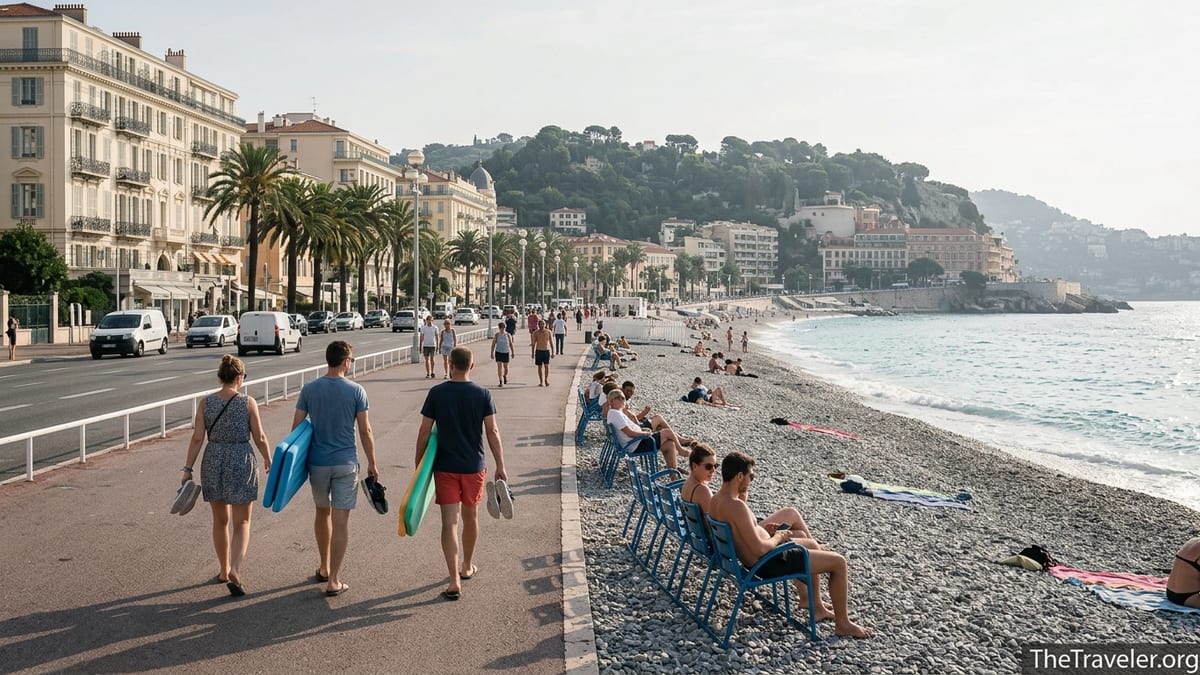
Overpaying and Wasting Time on Airport Transfers
One of the first mistakes people make in Nice happens within minutes of landing. Many visitors walk out of Nice Côte d’Azur Airport and instinctively follow the signs to the tram platform, where there is a dedicated airport ticket sold at a premium price. It can cost several times more than a standard public transport ticket for essentially the same ride into town. On a short stay this can quickly add up, especially for couples or families arriving together.
A more efficient approach is to use the free tram segment that links the airport’s Terminals 1 and 2 with the Grand Arénas stop, then buy a regular city ticket from the machines there. Recent guides note that the standard fare on the Nice tram network into the city center is a small fraction of the ten euro “airport to city” ticket some visitors unknowingly buy at the terminal machines. Locals often ride the tram for free as far as Grand Arénas, purchase a normal ticket, validate it on board, and continue toward Jean Médecin or Port Lympia like any other commuter.
Others skip public transport altogether and head straight for taxis lined up outside the arrivals halls. A metered taxi to central Nice is typically far more expensive than the tram, and in heavy traffic the time savings may be marginal. On busy summer afternoons, it is not unusual to see visitors sitting in a long queue on the Promenade des Anglais, watching trams glide past on their own line. If you do prefer a car, agree clearly on whether you are paying a fixed fare or the meter, and check that supplement charges for luggage or late hours are legitimate before setting off.
Confusion also arises around ticket validation. Tickets for trams and buses must be validated on board, either by tapping a smart card or inserting a paper ticket into a machine. New arrivals sometimes assume that a payment made by contactless card at a machine is enough and never validate, only to be hit with a substantial fine at a random inspection. Taking an extra moment to read the instructions on the green “Validez ici” validators saves both money and embarrassment.
Misunderstanding Nice’s Beaches and Paying Too Much
Nice’s long arc of shoreline looks simple from above, but first-time visitors often misunderstand how the beaches work. The strands along the Baie des Anges are covered in rounded pebbles, not sand, and are a mix of free public sections and tightly packed private beach clubs. Confusion about what is free, what must be paid for, and what is simply uncomfortable catches many people off guard within their first day.
Some travelers assume that all beaches in front of a private club are off limits unless they rent a lounger. In fact, the sea itself is public. You are allowed to walk through a private beach, lay a towel on the pebbles near the waterline and swim without paying, as long as you respect the club’s furniture and rules. The catch is comfort. Pebbles are hard on bare feet and backs, so many visitors end up renting a lounger and umbrella on the spot. Recent price surveys show basic packages on popular central beaches starting around 25 euros per person in the shoulder season and rising up to roughly 70 euros at premium clubs in high summer, especially for front-row seating with waiter service.
On public beaches, the mistake is the opposite: trying to tough it out without basic gear. Sitting directly on wet pebbles looks romantic until your back and hips start to ache after ten minutes. Local shops along Rue de France and Avenue de la Californie sell foam mats and simple beach shoes for around 10 to 15 euros, which can transform the experience. Many seasoned visitors buy a mat on their first afternoon, then re-use it all week. Others bring foldable water shoes in their luggage so they can wade in without tiptoeing awkwardly over the stones.
Another common oversight is ignoring local rules. Glass bottles on the beach are banned, and police do patrol, particularly on busy evenings. Loud speakers, late-night parties and attempts to camp on the public beaches can attract fines or a visit from officers. Travelers who assume the coastline operates like a remote cove elsewhere on the Mediterranean are often surprised to find that Nice’s seafront is heavily regulated and closely watched, especially in the height of summer.
Eating in Tourist Traps and Missing Real Niçoise Food
Nice is full of memorable food, from chickpea socca to stuffed vegetables and fresh seafood, but many visitors eat almost exclusively in the old town’s most crowded lanes and leave thinking the city is overpriced and uninspired. The tight streets off Cours Saleya are lined with restaurants displaying photo menus, aggressive hosts and “tourist formulas” that rarely represent the best of local cooking. Portions can be small, the socca soggy, and the bill quietly inflated by expensive drinks and surcharges.
A typical scenario involves a visitor sitting down at a place near Place Masséna or along the busiest stretch of the Promenade des Anglais because the terrace is bustling and the menu is already translated into several languages. The fixed-price offer seems appealing, but once seated, they discover that the house wine is significantly marked up, tap water is discouraged, and the most interesting dishes carry supplements. By the time dessert arrives, the bill per person is far higher than in more local neighborhoods a few blocks away.
Locals and long-term residents often suggest heading slightly inland or east toward Place Garibaldi, Rue Bonaparte, and the Port Lympia area to find better value and more authentic Niçoise dishes. Small bistros there serve socca hot from the oven, pan bagnat sandwiches filled with tuna and vegetables, and farcis Niçois baked in trays. Prices are not necessarily cheap, but you tend to get fresher ingredients and more generous portions for what you pay. Checking a restaurant’s recent reviews on a serious guide or scanning for a mix of French-language comments, rather than only international tourist praise, can help filter out short-lived concepts that rely mostly on foot traffic.
Another mistake is expecting to dine early or very late without checking hours. Many kitchens in Nice close in the afternoon and reopen for the dinner service around 7 or 7:30 p.m. Visitors who set out for a full meal after 10:30 p.m. outside peak summer may find only bars and snack stands still serving. Planning ahead for one or two special dinners, especially in August when the city is packed, and reserving through a phone call or an online platform can mean the difference between a memorable evening and a long search for a table.
Underestimating Crowds, Heat and Seasonality
Nice’s beauty can disguise how challenging it becomes in the busiest weeks of the year. Travelers arrive expecting a relaxed seaside town and are surprised by how dense and urban it feels in July and August. The Promenade des Anglais, especially around the blue chairs and central beaches, can be shoulder-to-shoulder from late morning through sunset. The combination of heat radiating off the pavement, limited shade and reflected light from the water quickly exhausts anyone not prepared.
One common misstep is planning a packed sightseeing schedule at midday in high summer. Climbing the stairs to Colline du Château in full sun or wandering the narrow alleys of the old town when the stone walls radiate heat can drain you before the afternoon even starts. Sensible planning means doing climbs and long walks before 10 a.m. or in the early evening, then using the hottest hours for museums, long lunches under awnings, or a shaded spot on the beach. The Musée Matisse and the Chagall museum up in Cimiez, for example, offer cool interiors and gardens where you can rest while still feeling like you are exploring the city.
Another seasonal surprise involves prices and availability. Apartment rentals, beach clubs and popular day trips on the coastal trains toward Villefranche-sur-Mer, Menton or Monaco are heavily booked in school holidays. A traveler arriving in early August without reservations for a specific beach restaurant or a particular excursion may discover that only the least convenient times remain, or that deckchairs are fully sold out until late afternoon. By contrast, those who visit in late September, October or early May often find that the weather is still mild, the sea swimmable for many, and queues significantly shorter.
Some visitors also misjudge Nice in winter. The light is soft, hotel prices are usually lower, and the city hosts festivals such as the Nice Carnival, but swimming is limited to the brave and evenings can be windy and chilly. Travelers who pack only for a Mediterranean beach break may end up buying warmer layers on arrival. Checking typical temperatures and considering wind off the sea before you fly helps set realistic expectations for your time outdoors.
Relying Only on the Promenade and Old Town
Nice’s seafront and Vieux Nice are justifiably famous, but a recurring mistake is treating them as the whole city. Many visitors spend three or four days walking only between Place Masséna, Cours Saleya, the Promenade des Anglais and perhaps the Castle Hill viewpoint, then leave thinking Nice is picturesque but limited. Meanwhile, they have missed the residential hills, parks and newer districts where much of daily life actually happens.
Exploring beyond the first row of seafront hotels reveals quieter, leafier streets and different perspectives. The Promenade du Paillon, a green corridor that runs from the sea inland, is a favorite with local families, joggers and children who play in its fountains. Further north, the Liberté and Musiciens quarters offer Belle Epoque facades and calm boulevards where you can sit at cafés that are busy with residents rather than day-trippers. In the east, the area around Place Garibaldi and Rue Cassini bridges the gap between the old town and the more bohemian, creative side of Nice near the port.
Another underused asset is the local rail network. Regional TER trains run along the coast, connecting Nice to small bays like Villefranche-sur-Mer or larger destinations such as Antibes, Monaco and Menton. The ride to Villefranche, for example, takes only a few minutes and costs roughly what you would pay for a short city tram ride in many European countries. Yet many visitors never venture beyond Nice itself, assuming that organizing day trips is complicated. In practice, you can walk from much of central Nice to the main station, buy a simple ticket on the spot, and be at a quieter beach or different old town before your coffee has cooled.
Limiting yourself to the busiest postcard areas can also skew your impression of the city’s character. Markets that feel crowded and theatrical at Cours Saleya in mid-morning may look staged compared with smaller neighborhood markets you would find deeper inland. Strolling side streets, popping into bakeries used by office workers on their lunch breaks, or attending a match or concert at the Allianz Riviera stadium can balance out the tourist-focused parts of your stay.
Overlooking Safety Basics and Common Scams
Nice is generally safe, but a handful of recurring issues catch out visitors who drop their guard in holiday mode. Like many popular European cities, it has professional pickpockets, especially in summer. Crowded trams, the stairs to Castle Hill, and the pinch points where people stop for photos along the Promenade are prime spots. Travelers who sling a bag on the back of a chair or leave a phone on a café table near the street edge risk losing it within seconds.
Recent travel warnings highlight familiar scams in and around Nice. One involves strangers “finding” a gold-colored ring on the ground near you, then trying to sell it or guilt you into paying a “reward.” Another centers around friendly strangers at ATMs who offer help with the machine and then watch or swap cards. At the beach, small groups sometimes work together, with one person distracting swimmers near the water while another checks for unattended bags further up the shore. None of these are unique to Nice, but the crowded summer conditions make them more effective.
Taxi and restaurant bill problems are another theme. Visitors have reported taxis charging for extra luggage, imaginary road tolls or unclear flat rates when picking up tired travelers at the station late at night. In restaurants, confusion often arises around daily specials recited verbally, which later appear on bills at higher prices than expected. Asking directly how much a dish costs before ordering, and keeping a rough mental tally of the total while you eat, can help avoid awkward confrontations at the end of a meal.
Basic precautions go a long way. Using a small crossbody bag instead of a backpack in crowded streets, splitting cash and cards between two places, photographing your passport and storing the images securely, and not accepting unsolicited help at ticket machines or bank terminals can dramatically reduce your risk. When in doubt, step back, decline politely and walk away. Most locals are used to visitors and will understand if you seem cautious.
The Takeaway
Nice rewards visitors who prepare thoughtfully and stay curious beyond the obvious postcard views. Many of the most frustrating experiences people report, from overpaying on airport trams and beach loungers to feeling trapped in touristy restaurants, stem from arriving with vague expectations and limited practical information. A few simple habits, such as buying regular transport tickets at non-airport stops, investing in beach shoes and a mat, and checking restaurant reviews away from the most crowded squares, can transform your stay.
Equally important is pacing yourself. Planning activities around the heat, stepping away from the busiest corridors to discover quieter neighborhoods, and scheduling at least one half-day trip along the coast can reveal a richer, more relaxed Riviera than the one visible from the central promenade. Nice is both a resort and a working city. Approaching it with the curiosity of a guest rather than the impatience of a consumer tends to be rewarded with better conversations, better meals and better memories.
FAQ
Q1. Is the tram from Nice Airport to the city center really more expensive for tourists?
The dedicated airport ticket sold at the terminal tram platforms is significantly higher than the standard city fare. Many visitors save money by riding the free segment to Grand Arénas, then purchasing and validating a regular tram ticket there instead of buying the airport-branded option at the terminal machines.
Q2. Are any of Nice’s beaches completely private?
No. While beach clubs rent loungers, umbrellas and provide restaurant service, the shoreline and sea remain public. You are allowed to walk through, place a towel on the pebbles near the water and swim without paying, as long as you do not use the club’s furniture or obstruct staff.
Q3. How much does a lounger cost on a private beach in Nice?
Prices vary by location, season and how close you are to the water, but recent examples show basic lounger and umbrella packages starting around 25 euros per person and rising toward 70 euros at upscale clubs in peak summer for front-row spots with full service.
Q4. Do I need special shoes for the pebbly beaches?
You can manage without, but most people find simple rubber or neoprene water shoes very helpful. The rounded stones are hard on bare feet, especially at the water’s edge. Many visitors buy inexpensive beach shoes or foam mats from small shops near the promenade within their first day or two.
Q5. How can I avoid tourist-trap restaurants in Nice?
Be cautious of places with large photo menus, persistent hosts and menus translated into many languages right on the main tourist lanes. Walking a few streets inland, looking for restaurants busy with French-speaking diners, and checking recent reviews in reputable guides usually leads to better, more authentic meals.
Q6. Is public transport in Nice easy to use if I do not speak French?
Yes. Ticket machines at tram stops offer multiple languages and are relatively intuitive. The key is to remember to validate your ticket each time you board a tram or bus. Staff and many locals are used to helping visitors, so do not hesitate to ask politely if something is unclear.
Q7. When is the best time of year to visit Nice to avoid crowds?
The busiest period is typically July and August, when European holidays and hot weather coincide. For a balance of good temperatures and lighter crowds, many travelers favor late April to June and September to October, when beach clubs and trains still operate but the city feels less saturated.
Q8. Is Nice safe at night?
Central Nice is generally safe, and many people stroll the promenade after dark. As in any city, you should remain aware of your surroundings, avoid leaving valuables on café tables by the street, and prefer well-lit routes. Most problems involve opportunistic theft rather than violent crime.
Q9. Do I need to rent a car to explore the French Riviera from Nice?
Not necessarily. Regional trains and local buses link Nice with nearby towns like Villefranche-sur-Mer, Antibes, Monaco and Menton. For many visitors, using public transport avoids parking hassles and coastal traffic. A car is most useful if you plan to explore inland villages that are poorly served by trains or buses.
Q10. Can I drink tap water in Nice and ask for it in restaurants?
Tap water in Nice is generally safe to drink. In restaurants, you can request a carafe of tap water by asking for “une carafe d’eau.” Some touristy places may nudge you toward bottled water, but it is acceptable to insist politely on tap if you prefer.