


More news on this day
Thick fog settled over large parts of the United Kingdom early Monday, with a Met Office yellow weather warning in force until late morning and travel networks reporting slower journeys, reduced visibility and pockets of disruption across road, rail and air routes.
Get the latest news straight to your inbox!
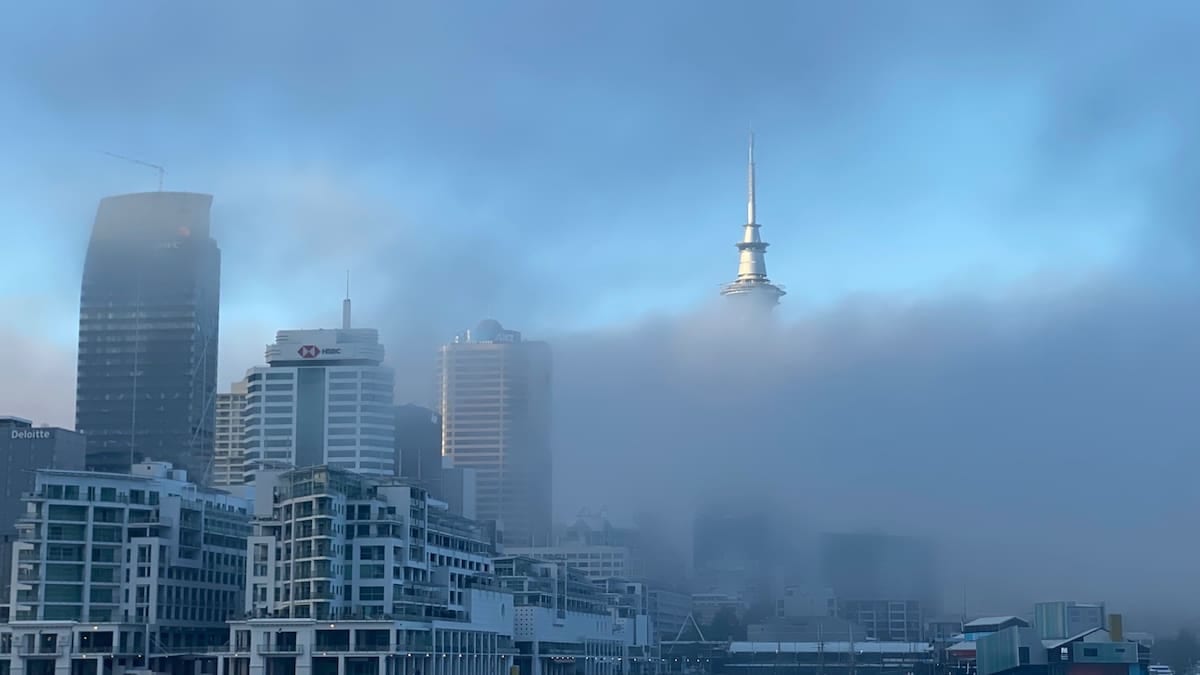
Yellow fog warning stretches across central and southern England
Publicly available information from the Met Office shows a yellow fog warning in place from 18:00 on Sunday 8 November to 11:00 on Monday 9 November, covering a broad swathe of England and parts of Wales. The warning area extends from around York in the north to Bath in the southwest, taking in much of the Midlands, the South East and sections of eastern England.
The advisory highlights the risk of visibility falling below 100 metres in places, particularly through the early hours and morning rush hour. Forecast material notes that fog patches are likely to form and reform, with some areas seeing dense freezing fog lingering into late morning where light winds and clear skies allowed the mist to thicken overnight.
According to published guidance on the Met Office website, yellow warnings signal a risk of slower journey times, possible delays to bus and train services and a chance of flight delays or cancellations. Travellers are advised in that material to plan for longer journeys, check the latest forecasts and consider adjusting departure times where possible.
Additional monitoring from independent weather portals summarising official data also flagged the fog warning as one of the main weather hazards across the UK on Monday, describing “difficult travel conditions” in parts of central and southern England during the morning peak.
Road journeys slowed by poor visibility and surface conditions
Road travel has been among the most immediately affected, with images and traffic camera feeds published by national and regional outlets showing headlamps cutting through dense fog on stretches of the M1, M4 and other major routes into London and the Midlands. Reports from transport desks indicate that variable speed limits were in force on several motorways where visibility dropped sharply.
National motoring and breakdown organisations have reiterated standard fog-driving advice through their public channels, pointing motorists back to Highway Code guidance. Drivers are being urged to use dipped headlights, switch on fog lights when visibility falls below 100 metres and reduce speed to maintain safe separation distances. With road surfaces remaining damp and temperatures close to freezing in some inland areas, travel updates have also highlighted the potential for patches of ice on untreated routes.
Local media in towns within the warning zone, including locations such as Milton Keynes, Oxford and Swindon, report slow-moving commuter traffic on key radial and ring roads from around 07:00. Congestion has been described as heavier than on a typical Monday, with some bus operators advising passengers via service alerts that delays of up to 30 minutes were possible on fog-affected corridors.
Despite the challenging conditions, there have been relatively few widely reported major incidents during the morning period so far, and highways authorities continue to emphasise that journey times, rather than complete closures, are the primary impact for most drivers within the warning area.
Rail and air passengers face pockets of disruption
While the railway network has remained broadly operational, published live-journey data and operator statements show scattered delays on some early-morning services where fog has affected line-side visibility and train regulating. Routes across the Thames Valley, the South East and parts of the East Midlands have reported minor knock-on delays, particularly on commuter services into London.
Network-facing updates collected by travel information sites point to a combination of reduced speeds in certain sections and extended dwell times at stations as contributing factors. However, there has been no indication of widespread cancellations attributable solely to the fog, and most operators are advising passengers simply to allow extra time and check live departure boards before setting out.
At UK airports, fog-sensitive operations such as landings and early departures have seen more noticeable effects. Aviation tracking services and airport disruption summaries indicate low-visibility procedures in force at several airports in southern and central England on Monday morning, with some inbound flights subject to holding patterns and minor delays.
Coverage from national news outlets highlights a limited number of cancellations at the busiest London airports during the early wave of operations, with airlines consolidating some short-haul services and warning that residual knock-on delays could persist into the late morning schedule. Passengers are being directed through airline channels to check the status of their flights before travelling to the airport.
Travel advice focuses on planning, flexibility and safety
With the yellow warning set to expire around late morning, attention is turning to how quickly conditions will improve and what travellers can do to minimise disruption. Forecast narratives from the Met Office and other forecasters suggest that, away from persistent local fog banks, visibility should gradually improve by midday as the November sun weakly lifts the worst of the murk.
Public guidance materials on weather warnings emphasise that yellow alerts cover a wide range of possible impacts. While many people will experience only reduced visibility and slower-than-usual commutes, the same alert level can also coincide with more severe localised effects, such as sharp reductions in visibility on exposed stretches of motorway or airfields where low cloud and fog interact with complex operations.
For travellers still to set out on Monday, widely shared advice from transport operators and weather services stresses the value of flexibility. Those driving are encouraged to leave additional time, avoid last-minute lane changes and keep windshields and lights clean to make the most of limited visibility. Rail and air passengers are urged to rely on official live information from operators rather than older timetable data, as even short delays can ripple through tightly timed morning schedules.
Looking beyond Monday morning, there is currently no broad indication within publicly available forecast discussions of an immediate repeat of such extensive fog over successive days, though forecasters note that high pressure and light winds at this time of year can allow overnight fog to reform quickly if moisture levels remain high. As ever with yellow warnings, travellers are being reminded through public channels to stay informed in case new advisories are issued later in the week.