


More news on this day
Three people were injured and dozens of passengers evacuated after a Regional Transportation Authority train caught fire, disrupting commuter services and renewing scrutiny of urban rail safety procedures.
Get the latest news straight to your inbox!
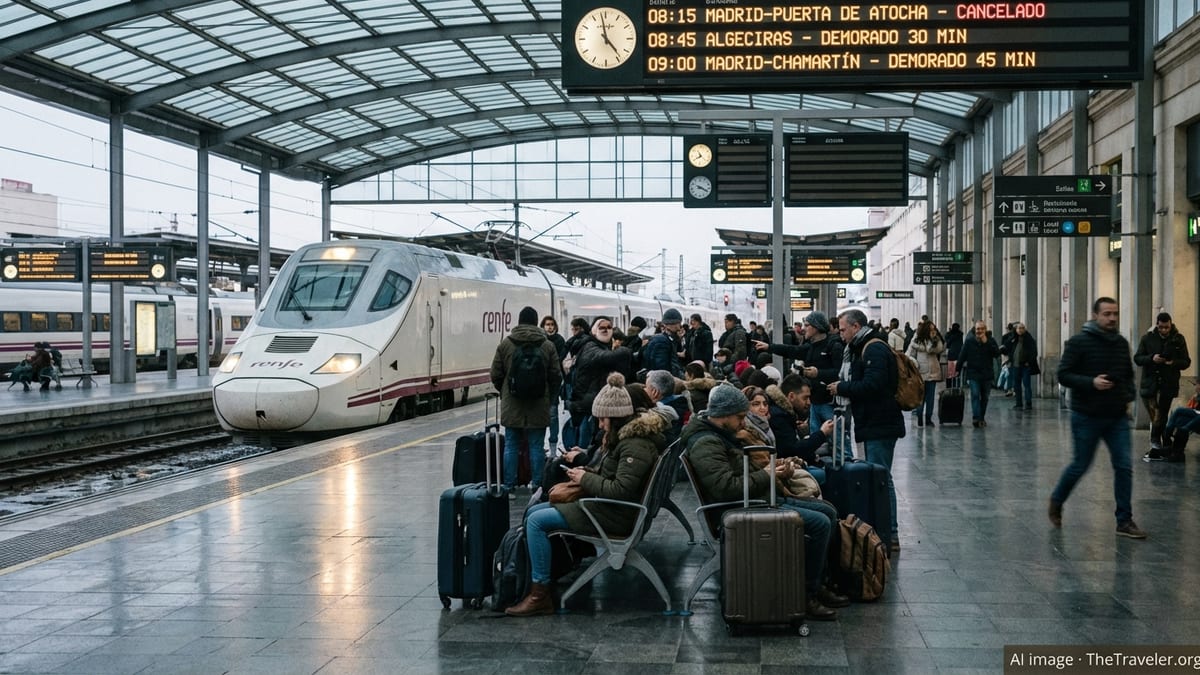
Fire breaks out on moving commuter service
According to early published reports, the incident began when smoke was observed coming from one of the train cars while the service was in operation. The train was brought to a stop and a fire was reported on board, triggering an immediate emergency response from local crews and transit staff.
Publicly available information indicates that three people sustained injuries related to the incident, described as non life threatening. Initial accounts suggest that most injuries were associated with smoke exposure and minor physical trauma during the rapid evacuation rather than direct contact with flames.
Rail operations on the affected line were suspended while firefighters brought the blaze under control and inspectors assessed the condition of the equipment and tracks. Images and video shared by local media showed passengers standing on the right of way and station platforms as smoke drifted from the damaged car.
The specific cause of the fire has not yet been detailed in formal summaries, and investigations are expected to focus on both the mechanical condition of the train and the sequence of events leading up to the emergency stop.
Disruption for commuters and knock on delays
The fire and resulting evacuation led to significant delays for riders who depend on RTA rail services for daily travel. Trains were held outside stations and, in some cases, rerouted or turned back as crews worked to secure the scene and establish safe track access.
Several stations along the line experienced crowding as passengers waited for replacement services and updated travel information. Transit alerts issued through public channels advised riders to allow extra time, seek alternative routes where possible, and monitor service updates before heading to stations.
Once the disabled train was moved from the right of way, limited service resumed with slower speeds through the affected segment while inspections continued. Full headways were restored only after safety checks on signaling, power systems, and track infrastructure confirmed there was no residual damage from the incident.
For a network that links key residential districts with business and education centers, even a short disruption can create ripple effects across the wider urban transport system, including bus connections and park and ride facilities.
Emergency response and passenger evacuation
RTA staff on board and at nearby stations initiated established emergency procedures once the presence of smoke and fire was confirmed. Passengers were directed to move away from the affected car and prepare to exit the train when conditions allowed, in keeping with rail safety guidance that prioritizes controlled evacuations.
Public information from the agency’s safety materials notes that each rail car is equipped with intercoms and signage to help riders communicate with operators in the event of smoke, fire, or other hazards. In this incident, those systems formed part of the response as riders alerted crew members and awaited instructions.
Fire crews arriving at the scene concentrated on extinguishing the blaze, ventilating remaining smoke, and checking for hot spots along the car and undercarriage. Medical teams assessed passengers and staff, transporting the three injured individuals to nearby facilities for further evaluation.
While the overall number of injuries was limited, the evacuation has drawn attention to how quickly conditions inside a rail car can change when smoke is present, and how critical clear announcements, wayfinding signage, and functioning emergency exits are in reducing risk.
Focus on causes and safety improvements
Investigators are expected to review maintenance records, operating logs, and any available surveillance or onboard camera footage to determine how the fire started and whether it was related to electrical systems, braking components, or other mechanical parts. Published coverage of similar rail incidents shows that overheating equipment, aging components, and debris caught near wheels or undercarriage fittings are common areas of concern.
RTA and other large transit operators routinely inspect rolling stock and power systems, but incidents involving smoke or fire, even without fatalities, often prompt wider reviews of inspection intervals, parts replacement schedules, and staff training. Safety advocates note that these inquiries play a key role in identifying patterns and preventing a more serious event in the future.
Passenger groups and local commentators have already begun asking how the findings from this episode will be shared and whether they will lead to visible upgrades, such as refreshed emergency signage in cars, updated public safety campaigns, or investments in newer rolling stock.
For a region that relies heavily on rail and bus services to ease road congestion and connect neighborhoods, confidence in the safety and reliability of the network remains central to ridership growth and long term planning.
Implications for travelers using RTA rail
For residents and visitors alike, the incident underscores the importance of basic safety awareness when moving through any urban rail system. Transit agencies publish guidance encouraging riders to note the location of emergency intercoms, keep aisles and doorways clear, and follow crew instructions promptly if smoke or unusual odors are detected.
Travelers are also advised to build a small time buffer into journeys when possible, particularly at peak times, so that unexpected disruptions such as this do not completely derail work, study, or flight connections. Those planning airport transfers or intercity rail links may wish to check service alerts on the day of travel and consider a backup route using alternative lines or bus connections.
Rail fires remain relatively rare events, and the limited number of injuries in this case reflects the value of practiced emergency procedures and coordinated response among train crews, station staff, and local responders. Nonetheless, the episode serves as a reminder that even a brief incident on a single train can have wide effects on a complex metropolitan network.
As formal findings emerge and any recommended improvements are implemented, travelers using RTA services will be watching to see how lessons from the fire are translated into practical safety measures that make daily journeys more secure and predictable.