


More news on this day
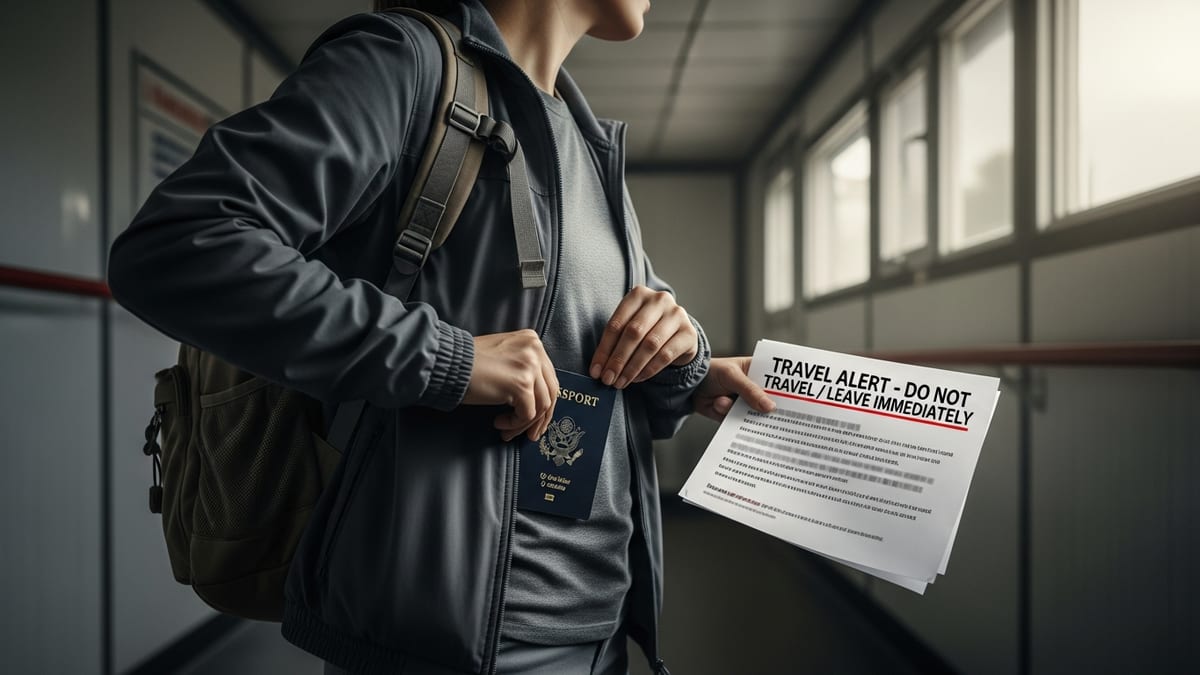
With peak summer travel approaching, a growing number of travelers are discovering at the airport that their passport is not as “valid” as they thought. Airlines and border agents are applying strict rules on expiration dates, blank pages, and children’s documents, and misunderstanding any of them can be enough to derail an international departure.
Get the latest news straight to your inbox!
Rule 1: Check how long your passport must be valid after your trip
Many travelers assume that if a passport has not yet expired, it is good for travel. In practice, numerous countries require additional months of validity beyond the date you plan to fly home. Publicly available guidance for U.S. citizens notes that a significant number of destinations expect at least six months of remaining validity, and some airlines may apply this as a blanket policy when they verify documents at check in.
The rules vary by region. For popular European itineraries, the Schengen area – which covers most of mainland Europe – requires non-EU visitors to hold a passport that is valid for at least three months beyond their planned departure from the region. U.S. government travel guidance highlights this three-month requirement for Schengen states, while also advising travelers to aim for six months’ validity to avoid issues tied to maximum stay limits or unexpected itinerary changes.
Travel checklists published by the U.S. Department of State similarly warn that some countries, particularly in Europe, insist on several months of remaining validity beyond the travel dates. Separate information produced for the travel industry reiterates that “many countries” apply a six-month rule and that more validity may be needed if a visa is required. For travelers, the practical takeaway is to treat the expiration date as a hard cut-off months before it actually arrives, especially for long-haul trips.
Because enforcement often begins with airlines, not just border officers, a passport that technically meets a destination’s minimum rule can still be questioned if it is close to expiring. To reduce the risk of being denied boarding this summer, most experts recommend renewing if your passport will have less than six months remaining on the day you plan to return, and always confirming the exact rule for every country on your itinerary using official government sources.
Rule 2: Children’s passports expire sooner than adults’
Another frequent surprise at the check-in desk involves families traveling with children. In the United States, passports issued to adults aged 16 and older are valid for 10 years, but passports issued to children under 16 are only valid for five years, a point highlighted across State Department materials and official child passport guidance. That shorter lifespan means a child’s document can become invalid for travel years before parents expect it.
Government guidance on children’s passports notes that these five-year documents cannot be renewed in the same way as adult passports; instead, a full new application is usually required. Public information stresses that most children must appear in person for the application, and that processing times can stretch during peak travel seasons. Families that discover an issue close to departure may need to seek urgent appointments at a passport agency, which are typically limited to travelers departing within a short window.
The shorter validity period can also interact with the post-trip validity rules applied by foreign countries. A child’s passport may technically be unexpired, but if it falls below the three or six months of remaining validity required by a destination, the child can be refused boarding or entry even when the adults’ passports are acceptable. Traveler reports and industry advisories repeatedly describe cases where children, rather than adults, triggered last-minute itinerary changes because their passports were too close to expiring.
For summer 2026 trips, families are being urged by official and industry checklists to check the expiration date on every minor’s passport first, well before booking nonrefundable flights or accommodation. If any child’s passport will be within a year of expiry during peak travel months, starting the renewal process early significantly reduces the risk of disruption.
Rule 3: Airlines can deny boarding over missing pages and mismatched rules
Even when expiration dates are in order, other lesser-known rules can still cause problems. Official FAQs on passport services note that some destinations require travelers to have a minimum number of blank visa or stamp pages available, often two to four. The rationale is that immigration and, where applicable, visa stickers need full pages. Travelers whose passports are nearly full may find that an airline agent refuses check in to a country that insists on blank pages, even though the passport is valid for several more years.
There is also a practical difference between what a destination country formally requires and what an airline applies at the airport. Aviation consumer guidance and travel forums document cases where carriers have imposed stricter validity interpretations, particularly around Europe’s three-month rule. Some travelers have reported being turned away when they had more than three months of validity beyond their intended departure, because airline staff were working with internal guidance equating a short trip with the full 90-day visa-free stay and then adding three more months – effectively creating an informal six-month threshold.
Carriers face fines and the cost of returning passengers who are refused at the border, so many opt to interpret ambiguous rules conservatively. Industry-facing information from U.S. authorities explicitly reminds travel companies that many countries require six months of remaining validity and encourages them to flag potential problems well before departure. In practice, this can translate into stricter document checks at airport counters during the busy summer period.
To avoid disputes at the gate, travelers are advised to align three separate elements ahead of time: the passport validity and blank-page rules published by the destination country, travel guidance issued by their own government, and any conditions the airline lists in its contract of carriage or travel documentation. If any of those point to a higher threshold, planning around the strictest rule offers the best protection against last-minute refusals to board during this year’s peak season.
Sources for further reference:
U.S. Department of State: Guidance for U.S. Travelers in Europe
U.S. Department of State: Passport Services FAQs
U.S. Department of State: International Traveler’s Checklist
U.S. Department of State: Apply for a Child’s Passport
U.S. Government Travel Industry Guidance on Passport Validity