


More news on this day
Travelers heading across Europe this Sunday face a difficult day, as ongoing train disruption in the Netherlands combines with nationwide aviation strikes in Italy to threaten widespread delays and cancellations at the height of the summer getaway.
Get the latest news straight to your inbox!
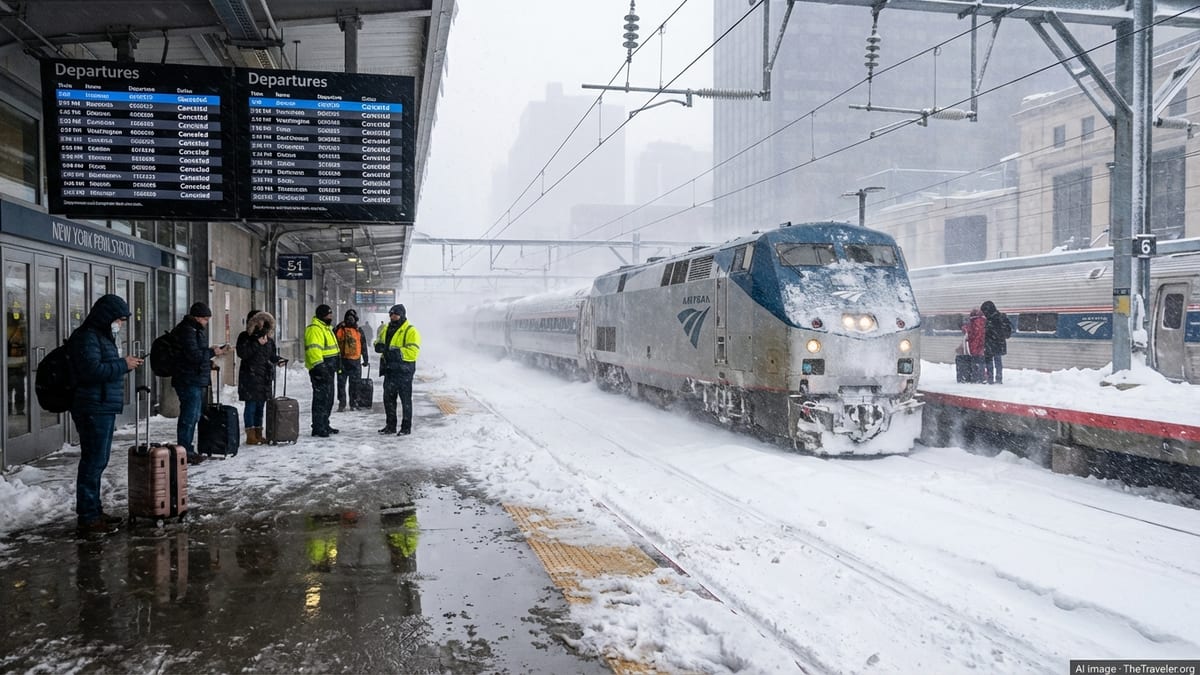
Rail disruption continues on Dutch routes serving key hubs
Passengers relying on cross-border train links through the Netherlands are being advised to prepare for extended journey times or last minute changes to their plans. Following fire damage on a section of railway near Rotterdam, services on parts of the Dutch network remain disrupted, affecting international and domestic trains serving major cities and connections to airports.
Travel updates from rail operators indicate that reduced timetables, diversions and skipped stops are likely to continue into Sunday, with some trains no longer serving intermediate Dutch stations and others subject to significant delays. Services linking the United Kingdom, Belgium and France with the Netherlands have been operating with amended schedules in recent days, and rail companies caution that journey times may be up to 45 minutes longer than usual depending on the route.
The disruption is particularly sensitive for travelers using rail as an alternative to short haul flights. With summer demand high and many services already busy, capacity for rebooking can be limited. Passengers with fixed onward connections, such as airport departures or cruise embarkations, are being urged by operators and independent travel advisories to build in additional buffer time or consider earlier departures where possible.
Rail planners in several European countries are highlighting how infrastructure incidents can quickly ripple across borders at busy times of year. When a main line is partially closed, trains may need to be rerouted over slower tracks, which in turn reduces overall network capacity and increases the risk of further knock-on delays if any additional problems occur.
Italy braces for nationwide aviation strikes on Sunday
At the same time, Italy is preparing for a series of coordinated aviation strikes on Sunday, 5 July, that are expected to affect airports across the country. According to published coverage in Italian and international travel media, industrial action has been called by multiple groups including airport ground handling staff, some air traffic control personnel, security workers and airline crews, with particular attention on low cost operations.
Reports indicate that Milan Malpensa, Milan Linate, Rome Fiumicino, Rome Ciampino, Naples, Venice, Bologna and several Sicilian and southern airports could all see schedules reduced or heavily modified. A 24 hour stoppage has been signalled at selected handling companies and at the air navigation service provider’s facilities in Milan, while pilots and cabin crew at carriers such as easyJet are also due to walk out for the day.
Italy’s civil aviation rules require that certain flights operate during protected time windows, typically in the early morning and early evening, in order to guarantee a minimum level of service. Publicly available notices from the country’s aviation authorities and airlines explain that services scheduled between 07:00 and 10:00 and between 18:00 and 21:00 local time are generally safeguarded, although they may still experience delays.
Outside these windows, however, airlines have broad scope to cancel or consolidate flights. Travel industry reports suggest that carriers serving Italy are already thinning out their Sunday schedules, notifying passengers of cancellations in advance, and preparing revised operations that prioritize longer haul and essential connectivity routes. Short haul leisure services and domestic hops are among those most at risk of being cut.
Airlines adjust schedules while passenger rights come into focus
With strike plans firming up, airlines and tour operators are moving to mitigate the impact on customers while managing their own operational constraints. Some carriers are offering fee free rebooking options for passengers due to fly to, from or within Italy on Sunday, allowing travel to be moved to earlier or later dates. Others are advising customers to monitor their booking status closely via apps and email, as rolling adjustments to timetables are likely in the 24 hours preceding the walkouts.
Consumer groups and travel commentators are drawing attention to the protections offered under European passenger rights regulations. In general, travelers whose flights are cancelled are entitled to choose between a full refund and re-routing at the earliest opportunity under comparable transport conditions. Additional compensation may be payable in some circumstances, although industrial action can complicate assessments of eligibility.
For those who still plan to travel on Sunday, practical advice emphasizes arriving at the airport earlier than usual, travelling with carry on baggage only where feasible, and being prepared for long queues at security or check in. With airport staffing itself part of the dispute in several locations, even flights that operate may do so under strained conditions.
Some travel advisers note that passengers with tight rail or onward flight connections should consider adjusting their itineraries in advance rather than waiting to see how the situation unfolds on the day. This is particularly relevant where journeys combine flights with cross border trains through hubs that are already affected by separate rail disruption.
Knock on effects for rail and road travel across the region
The combination of disrupted train services and flight cancellations is likely to put additional pressure on other modes of transport. Coach operators that serve major European corridors commonly see increased demand whenever rail or air capacity is constrained, and early signs point to higher booking levels for overnight and long distance buses around Sunday.
Within Italy, long distance and high speed trains may absorb some passengers whose flights are cancelled, especially on routes linking Rome, Milan, Venice, Florence and southern cities. However, rail networks themselves face a busy calendar of industrial action and maintenance in July, including targeted strikes on freight and infrastructure operations in the days following the aviation walkouts. While these actions do not always stop passenger services entirely, they can limit flexibility just when more travelers are seeking alternatives.
Elsewhere in Europe, rail companies have recently warned that unexpected incidents, such as severe weather or technical faults, can lead to abrupt line closures that coincide with industrial disputes in other sectors. Travel planning tools and strike trackers used by tour operators show that several countries have periods of heightened industrial activity scheduled for later in the month, raising the risk of recurring weekends of disruption.
Road traffic around major airports and rail hubs may also be heavier than usual on Sunday, as residents and tourists resort to private cars, taxis and ride hailing services to compensate for limited public transport options. Local authorities and highway agencies in affected regions typically respond by advising drivers to allow extra time and to check live traffic updates, particularly on routes leading to key terminals.
How travelers can prepare for a difficult Sunday
Travel experts recommend that anyone scheduled to move through the affected areas on Sunday builds flexibility into their plans. This can include booking fully refundable or changeable tickets where possible, keeping accommodation options open in case of forced overnight stays, and ensuring that travel insurance policies are up to date and cover disruption linked to strikes.
Passengers are also encouraged to keep a close eye on communication channels from their transport providers. Rail and airline apps, text alerts and email notifications are often the first place that amended departure times, platform changes or cancellations appear. Having these tools to hand can make a significant difference when decisions need to be taken quickly at stations or airports.
For those yet to book, some travel planners suggest avoiding peak hours on Sunday or, where schedules permit, shifting journeys to Saturday or Monday to reduce exposure to the worst of the disruption. While no option can entirely eliminate risk during periods of industrial action and infrastructure problems, spreading demand across several days can ease pressure on individual services and improve the chances of a smoother trip.
Overall, publicly available information points to a challenging Sunday for European transport, with Dutch rail disruption intersecting with widespread aviation strikes in Italy. For many travelers, the key will be to stay informed, make contingency plans and be prepared to adapt as the situation evolves over the weekend.