


More news on this day
A freight train derailment on the edge of Bucyrus, Ohio, prompted a nighttime evacuation order for nearby residents after concerns emerged about a tipped tanker car and a possible acid leak.
Get the latest news straight to your inbox!
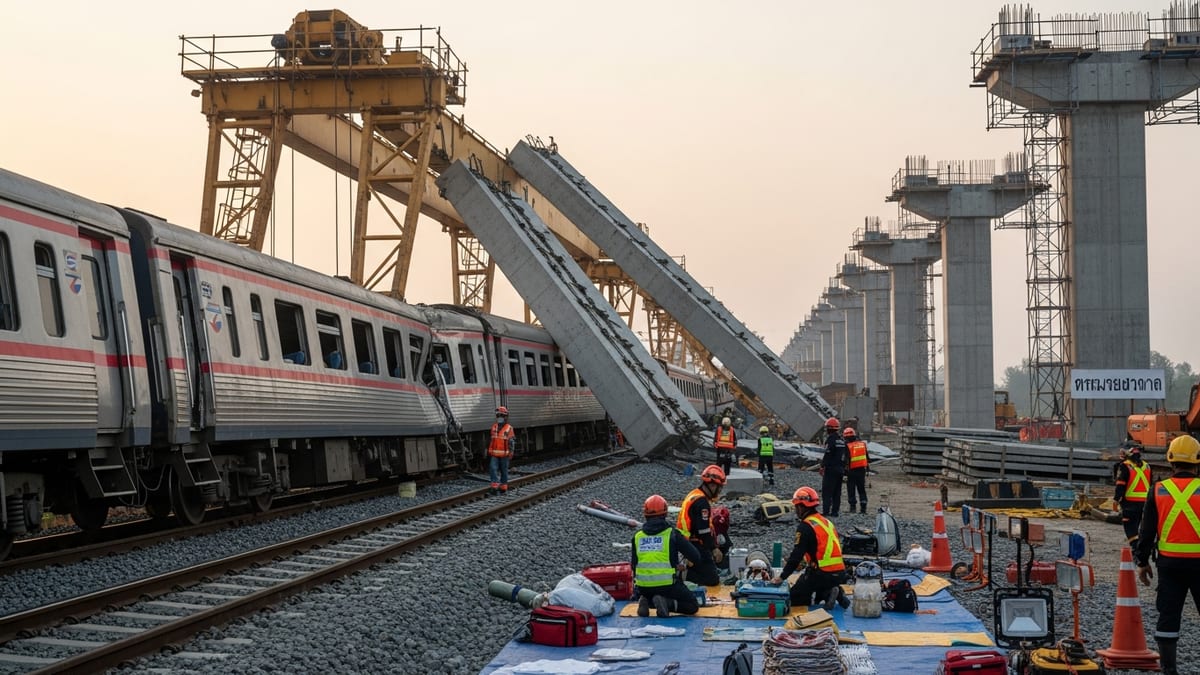
Derailment Near Crossing Triggers Nighttime Emergency
Reports indicate that the derailment occurred late Sunday near a railroad crossing in Bucyrus, disrupting a freight consist that included at least one tanker suspected of carrying hydrochloric acid. Multiple cars left the tracks, and one tanker was seen tipped on its side, prompting concerns about a hazardous materials release in the surrounding neighborhood.
Initial coverage from regional outlets describes the derailment as occurring within a short distance of homes and local streets, with railcars scattered alongside the right-of-way. While detailed technical information about the train and its cargo has not yet been fully released, early information points to a precautionary focus on the potentially corrosive contents of the affected tanker.
Publicly available information shows that emergency responders moved quickly to establish a safety perimeter around the site. The combination of a nighttime incident, limited visibility, and uncertainty about any leak contributed to a cautious response that prioritized clearing people from the immediate area.
Evacuation Orders and Temporary Shelter Operations
Residents within a defined radius of the derailment were advised to evacuate, with local alerts emphasizing the possibility of an acid leak and the importance of leaving even if no obvious odor or visible plume was present. Some reports describe the initial evacuation recommendation covering roughly a one-mile zone around the tipped tanker, a common precaution for incidents involving potentially volatile or corrosive cargo.
According to published coverage, Bucyrus High School opened as an emergency shelter, providing a centralized location for evacuees who could not stay with friends or relatives. Gymnasiums and common spaces were used to accommodate families, while volunteers and local staff organized cots, bottled water, and basic supplies for those forced from their homes.
Travelers and overnight visitors in the area were also affected. People staying at nearby lodgings or passing through town by car were temporarily rerouted or advised to remain outside the evacuation zone until more was known about conditions near the derailment site.
Hazmat Monitoring and Environmental Testing
Hazardous materials teams were reported to be using handheld instruments and mobile monitoring equipment to test air quality around the derailment. These teams typically check for indications of hydrochloric acid vapors, flammable gases, and other airborne contaminants that could pose risks to respiratory health or ignite under certain conditions.
Public information released so far has emphasized that, as of the latest updates, there have been no widespread reports of serious injuries linked directly to the derailment. Instead, the primary impacts have centered on temporary displacement, transportation disruption, and the technical task of stabilizing the train and securing any hazardous material.
Environmental agencies and rail specialists are expected to continue soil and water sampling in the coming days if any leakage is confirmed. Such testing helps determine whether corrosive substances have infiltrated nearby drainage channels, residential yards, or public spaces, and whether follow-up cleanup or remediation will be required.
Travel Disruptions Across North Central Ohio
For travelers moving through north central Ohio, the derailment created short-term complications on key local routes. Published reports describe closures and detours around the affected crossing, with traffic control points established to keep vehicles and pedestrians out of the evacuation area.
Drivers using regional corridors near Bucyrus were encouraged to allow extra time, follow local signage, and rely on updated routing information from navigation systems as conditions changed. Commercial traffic, including delivery trucks and service vehicles, also faced delays while crews worked near the tracks.
Rail operations across the immediate segment of line were temporarily halted. While through passengers in Ohio were not directly involved in the incident, the derailment added to wider concerns about the reliability of freight routes that pass close to residential districts and smaller city centers popular with motorists, cyclists, and road-trippers.
Questions Over Hazardous Cargo and Future Preparedness
The Bucyrus derailment arrives amid ongoing national discussion about trains carrying hazardous materials through communities. Planning documents and prior analyses of similar incidents show recurring themes: evacuation mapping, air-monitoring capability, communication between rail operators and local agencies, and clear guidance for residents about when to leave and when it is safe to return.
In this case, the combination of a suspected hydrochloric acid tanker and an urban-adjacent location has renewed local interest in how quickly information about train cargo becomes available during an emergency. Publicly available commentary has highlighted the value of up-to-date commodity flow data, as well as joint training exercises that prepare responders for low-visibility, late-night derailments.
For residents and visitors in Bucyrus, the episode serves as a reminder to heed evacuation notices even when conditions appear quiet. Travel-oriented guidance emerging from the incident underscores simple steps such as keeping fuel tanks reasonably full, maintaining an overnight bag with basic supplies, and staying aware of local alerts, particularly when lodging or driving near active rail corridors.