


More news on this day
Transport Canada has appointed an observer to monitor the response and early findings following a major freight train derailment in Repentigny, northeast of Montreal, where dozens of railcars left the tracks near homes and key commuter routes.
Get the latest news straight to your inbox!
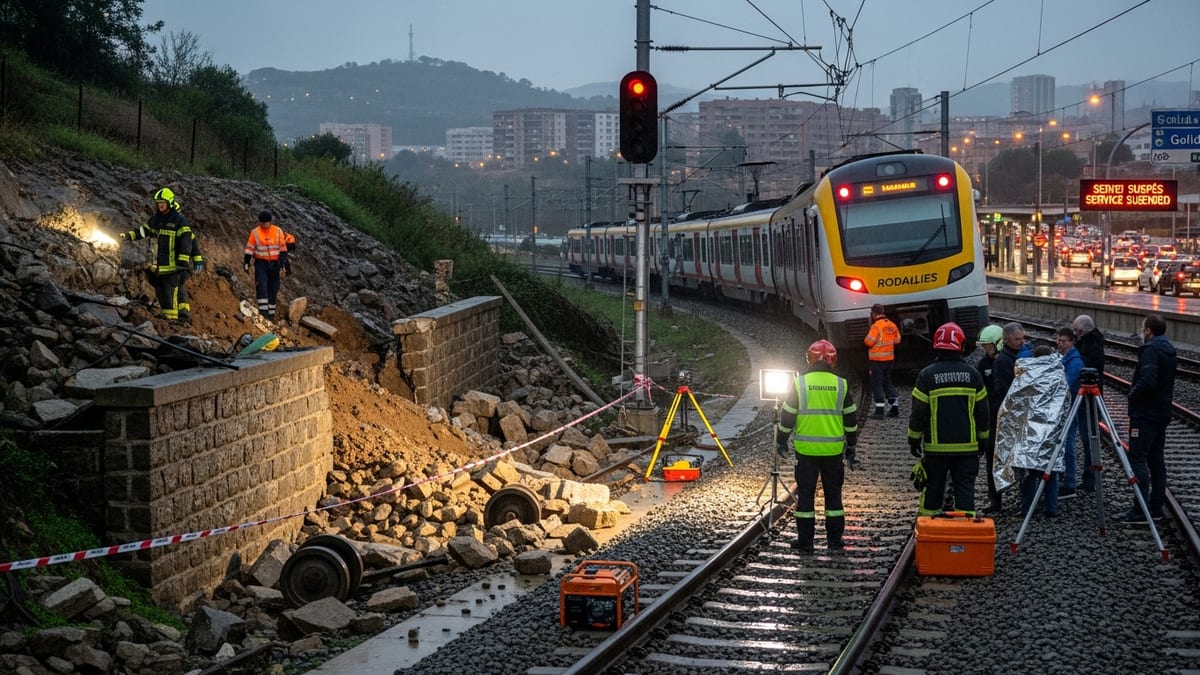
Observer Named After Major Derailment Near Montreal
According to published coverage, the federal department responsible for transportation oversight in Canada has named an observer in connection with the derailment involving a Canadian National Railway freight train in Repentigny, Quebec, on July 5, 2026. The municipality sits northeast of Montreal along the north shore of the St. Lawrence River, in a corridor that carries heavy freight and commuter traffic.
Reports indicate that more than 40 railcars derailed in the incident, with images from the scene showing mangled cars scattered across multiple tracks and adjacent ground. Publicly available information shows that the train was hauling mixed freight and that several tank cars were among those that left the rails.
Initial accounts from national and local outlets state that there were no fatalities. Some minor injuries were reported among workers involved in the response and cleanup, while residents in nearby homes and apartment buildings were urged to stay clear of the area as emergency crews secured the site.
By midweek, rail service had largely resumed through the sector on repaired tracks, even as work crews continued removing damaged equipment and inspecting infrastructure. The appointment of an observer comes as scrutiny intensifies over how the derailment occurred so close to residential streets and busy commuter routes.
What the Federal Observer Role Involves
Publicly available guidance on Transport Canada’s oversight tools indicates that appointing an observer is one of several options the department can use when a serious rail incident raises concerns about safety practices or regulatory compliance. An observer typically monitors the railway’s internal investigation, data collection and corrective measures, rather than conducting a separate full-scale inquiry.
In practice, this means the observer may attend briefings, review technical information gathered by the railway company and liaise with other investigative bodies. Reports indicate that this role is designed to give federal regulators a direct line of sight into how the incident is analyzed and how any immediate operational changes are implemented, without supplanting the statutory responsibilities of the Transportation Safety Board of Canada.
According to publicly available information, such observers do not issue formal findings of cause or liability. Instead, they focus on whether the company respects existing rules, follows through on safety commitments and provides relevant data that could inform future regulatory adjustments. Any broader policy or enforcement decisions rest with Transport Canada after information from multiple channels has been assessed.
The decision to name an observer in the Repentigny case reflects the derailment’s scale and location along a densely used rail corridor, where freight trains move through a built-up urban environment that also hosts commuter services and major road arteries.
Parallel Investigation by Transportation Safety Board
Separate from Transport Canada’s regulatory role, the Transportation Safety Board of Canada has deployed investigators to the Repentigny site. Publicly available notices from the board describe its mandate as an independent body focused on identifying safety deficiencies and issuing recommendations aimed at preventing future accidents, rather than attributing blame or determining civil or criminal responsibility.
In the days following the derailment, TSB personnel documented the positioning of derailed cars, track conditions and signalling infrastructure, and began collecting event recorder data and crew statements. According to published coverage, early comments from the board emphasized that it is too soon to determine the precise cause of the incident.
The TSB has indicated in past derailment files that complex factors often interact in such events, from train handling and track condition to equipment performance and operating practices. It is expected that the Repentigny investigation will follow a similar path, with an initial deployment phase followed by more detailed analysis in the months ahead.
Any recommendations emerging from the TSB’s final report would be directed to Transport Canada, the railway and other relevant organizations. Public documents show that while TSB recommendations are not legally binding, they carry significant weight and have prompted changes to federal regulations and industry standards in previous high-profile rail accidents.
Local Impacts and Public Safety Concerns
The derailment site sits near residential streets and within commuting distance of Montreal’s downtown, heightening public concern about freight trains operating close to homes, schools and busy roadways. Coverage from Quebec news outlets describes residents hearing loud noise and feeling vibrations as railcars left the tracks on July 5, followed by a significant emergency response.
Railway traffic through the sector was initially halted, disrupting both freight operations and some passenger movements in the greater Montreal region. According to media reports, this included delays and rerouting for certain commuter and intercity services that share or cross the affected corridor, while crews worked to clear derailed equipment and rebuild track segments.
Local officials have publicly raised questions about train speed, train length and the nature of the cargo moving through suburban communities. These concerns echo debates that have unfolded elsewhere in Canada after derailments near populated areas, especially where tank cars or hazardous materials are present, even when no release is ultimately detected.
In Repentigny, publicly available information indicates that environmental monitoring has been carried out around the site, with early sampling focused on soil, surface water and air quality. At this stage, reports suggest there has been no large-scale spill into nearby waterways, though detailed assessments are expected to continue as part of both company-led remediation and regulatory oversight.
Derailment Renews Focus on Rail Safety Reforms
The incident north of Montreal is unfolding against a broader national conversation about rail safety, shaped in part by the legacy of the Lac Mégantic disaster in 2013 and subsequent regulatory reforms. Public records outline how, in the years since that tragedy, Transport Canada has tightened rules on train securement, crew size and tank car standards, while also expanding requirements for railway safety management systems.
Recent policy announcements from the federal government describe additional steps being readied to strengthen training and certification for railway workers, along with enhanced oversight of company safety cultures. The Repentigny derailment and the appointment of an observer are likely to be viewed through this wider lens, as communities, industry and regulators evaluate how well existing measures are working on the ground.
Advocacy groups and some municipal leaders have argued for more transparency around what is being transported through urban rail corridors, as well as stricter speed limits and infrastructure investments designed to reduce derailment risk. The latest incident near Montreal may add urgency to these calls, particularly where heavy freight traffic intersects with densely populated suburbs.
As investigators continue their work and the observer begins monitoring the company’s internal review, attention is expected to remain high on any interim safety steps that can be taken while the technical causes are still being assessed. For residents along the line, the visible presence of work crews, repaired track and returning trains serves as a daily reminder of both the essential role of rail transport and the risks when something goes wrong so close to home.