


More news on this day
As of August 27, 2026, Ethiopia remains under a Level 3 “Reconsider Travel” advisory, with updated guidance highlighting persistent security risks in multiple regions and the ongoing impact of overlapping humanitarian crises.
Get the latest news straight to your inbox!
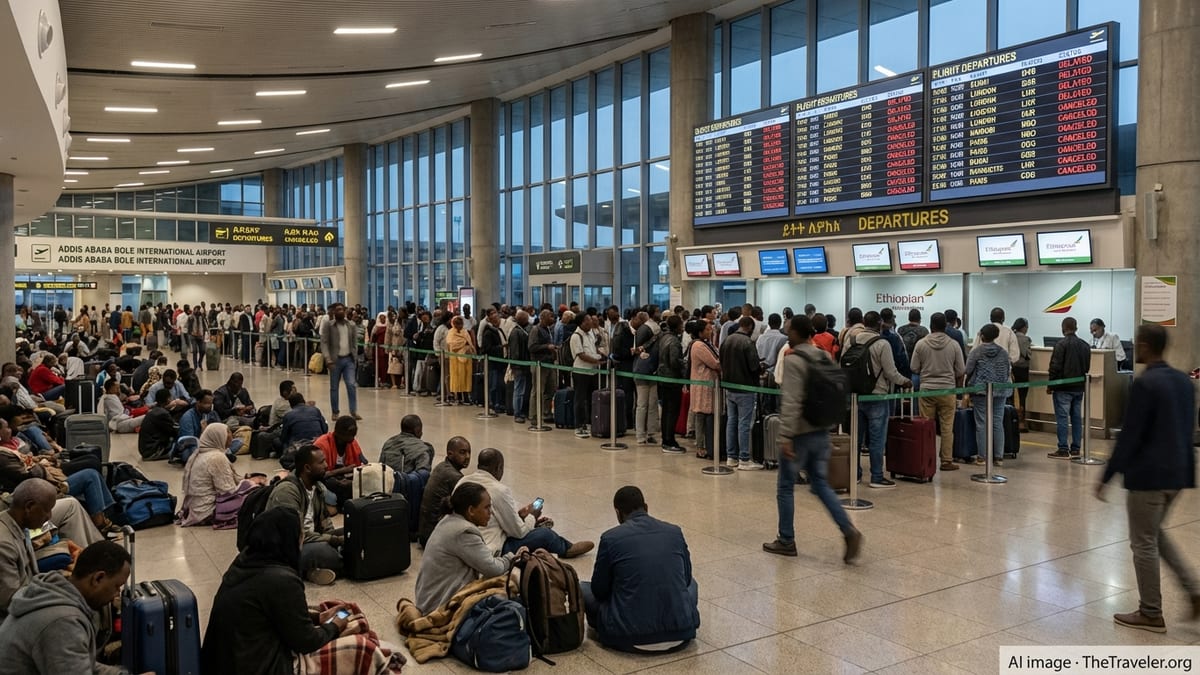
Advisory Status and Scope of the August 27 Update
The latest advisory retains Ethiopia at Level 3, urging travelers to reconsider nonessential trips due to unrest, crime, kidnapping, terrorism, landmines, communications disruptions and the possibility of exit bans. The overall risk category remains unchanged, but recent revisions adjust the description of higher-risk zones and travel restrictions affecting diplomatic personnel operating in the country.
Publicly available information indicates that certain regions continue to be classified as “Do Not Travel” because of active or latent armed conflict and serious protection concerns. The Tigray region and areas along the border with Eritrea, parts of Afar, and the Amhara region are among the locations where conflict, ethnically motivated violence and crime have combined to create a volatile security environment. Similar warnings apply to Gambella, Benishangul Gumuz and wide sections of the Oromia region, where sporadic clashes and criminal activity have been documented.
Reports also note special restrictions for embassy and consular staff, which act as an informal bellwether of risk for foreign visitors. According to the updated advisory summary, U.S. government employees face additional authorization requirements before traveling to parts of the Afar and Somali regions and to multiple zones across Oromia, underscoring continued concern about ambushes, roadblocks and unpredictable violence on key routes.
Security Landscape in Conflict-Affected Regions
The security picture in northern and central Ethiopia remains complex. Coverage by international monitoring organizations describes renewed tension between federal forces and Tigray-based armed groups in early 2026, following the fragile peace achieved after the 2022 Pretoria Agreement. Analysts report that localized clashes in parts of Tigray and adjacent districts have fueled fears of a broader relapse into open conflict, with implications for cross-border stability involving Eritrea and Sudan.
Independent conflict trackers highlight persistent violence in Amhara and Oromia, where political disputes, territorial questions and local grievances have periodically escalated into armed confrontations. These events have led to temporary road closures, checkpoints and sudden security operations, which can leave travelers stranded or subject to movement controls. The advisory’s emphasis on reconsidering travel to these regions reflects an assessment that conditions remain too fluid for predictable itineraries.
Beyond headline conflicts, humanitarian and academic data sets point to a long-running pattern of lethal incidents across several peripheral regions. Research using event-level conflict data identifies Benishangul Gumuz, Gambella, Somali and parts of southwest Ethiopia as areas with a historically high probability of conflict-related fatalities. This pattern, combined with weak infrastructure and limited medical access, means that even isolated incidents can quickly overwhelm local services and pose significant risks to visitors caught in the wrong place at the wrong time.
Humanitarian Pressures and Access Constraints
Humanitarian assessments published in 2026 describe Ethiopia as facing overlapping emergencies driven by conflict, climate shocks and economic stress. Appeals from United Nations agencies and international organizations outline rising needs in conflict-affected northern regions and in drought-hit communities of the Somali and southern areas. These reports warn that acute food insecurity and malnutrition remain elevated, particularly where repeated shocks have eroded household resilience.
UN and NGO planning documents for 2026 stress that recurrent drought, flooding and disease outbreaks have combined with displacement to strain basic services. Several million internally displaced people and more than a million refugees from neighboring countries are estimated to require sustained assistance. In practice, this means that in many regions, supply chains, health facilities and social services are under pressure, with intermittent shortages of fuel, medicines and essential goods.
Restrictions on humanitarian access further complicate the picture. Agencies note that insecurity in parts of Amhara, Afar, Oromia, Somali and South Ethiopia regions has disrupted relief operations and sometimes forced temporary suspensions or route changes. For travelers, these same conditions can translate into sudden closures of regional airports, suspension of road transport, curfews, or ad hoc security checks that delay movement and heighten the risk of being caught in the middle of local incidents.
Travel Logistics, Entry Rules and Operational Challenges
While commercial flights continue to serve Addis Ababa as a major regional hub, travel beyond the capital requires careful planning. Foreign travel guidance from European sources advises against all or all but essential travel to a number of Ethiopian regions due to the risk of armed conflict, civil unrest and kidnapping. Advisories highlight that road travel outside major corridors can be hazardous, particularly after dark, and that land borders with neighboring states may close with little notice in response to regional tensions.
Entry rules continue to evolve, but publicly available government portals indicate that visitors are generally required to hold a valid visa, a passport with sufficient validity and, in some cases, proof of yellow fever vaccination if arriving from certain countries. There are also strict regulations on the import and export of local and foreign currency, and travelers carrying large cash sums may be asked to show documentation such as customs declarations or bank advice notes on departure.
Operationally, travelers should be prepared for intermittent communications disruptions, particularly during security operations or periods of political sensitivity. Internet slowdowns and mobile network interruptions have been reported in previous crises and remain a possibility. In remote or conflict-affected areas, power cuts and limited fuel availability can also affect transportation and accommodation options, making self-sufficiency and contingency planning essential for any nonessential journey that proceeds despite the advisory.
Risk Management for Travelers Considering Ethiopia
Given the Level 3 advisory and the presence of multiple “Do Not Travel” regions, current public guidance generally encourages postponing nonessential visits to Ethiopia, especially itineraries that extend beyond Addis Ababa or other comparatively stable urban centers. Where travel is still contemplated, risk assessments suggest that route selection, local contacts and real-time monitoring of security updates are critical.
Travel security firms and humanitarian briefings commonly recommend avoiding demonstrations, political gatherings and large public events, which can change character rapidly and draw an armed response. They also underscore the importance of registering contact details with home-country consular services, so that travelers can receive alerts about sudden changes in the security or regulatory environment.
Insurance considerations are another central factor. Many travel and medical evacuation policies exclude coverage for destinations or regions subject to high-level government advisories. Prospective visitors are encouraged to verify in advance whether their policies remain valid for Ethiopia as a whole or for specific regions inside the country, and to ensure that any planned routes are covered for security evacuation as well as medical emergencies.
In the context of Ethiopia’s evolving security and humanitarian landscape, the August 27, 2026 advisory reinforces a cautious posture. It underscores that conditions in several regions remain unpredictable and that travelers who choose to proceed despite the guidance should do so only after thorough preparation, with flexible plans and a clear understanding of the heightened risks involved.
U.S. Department of State Ethiopia Travel Advisory
UK Foreign, Commonwealth & Development Office: Ethiopia Travel Advice