


More news on this day
AI-first platform Traveloris is stepping into the rapidly expanding travel technology space with an end-to-end, business-focused trip planning and booking system that aims to reshape how itineraries are built, sold, and managed across the United States and global markets.
Get the latest news straight to your inbox!
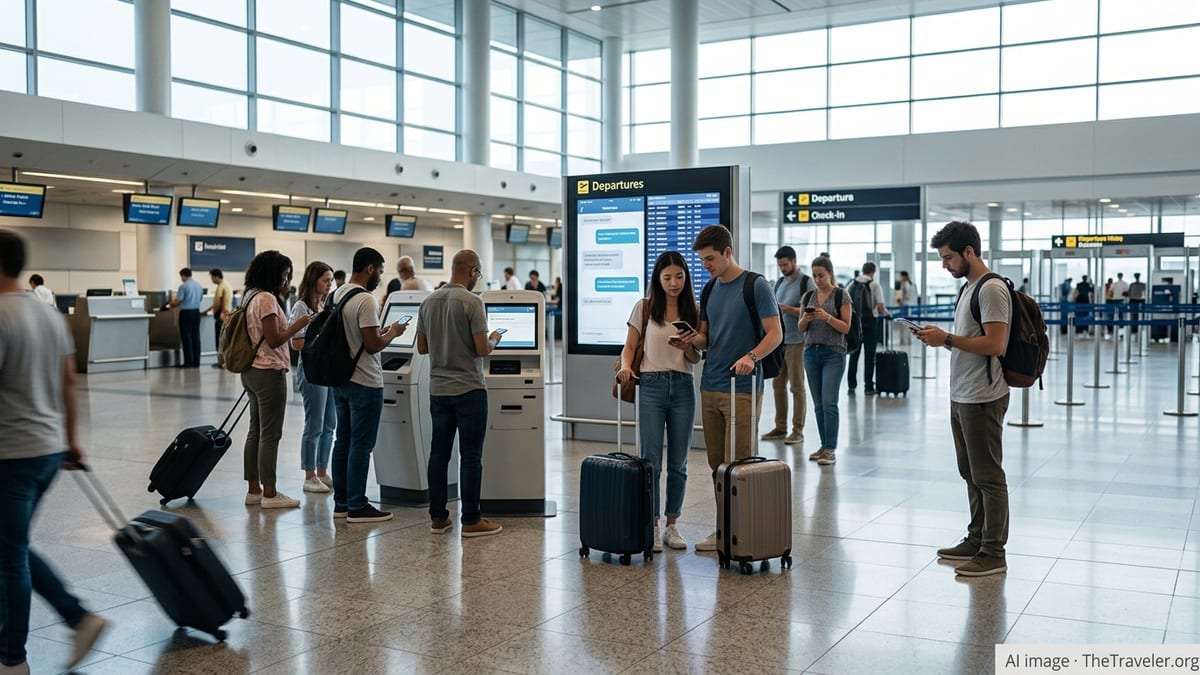
Modular AI Platform Targets the Travel Trade
Traveloris presents itself as a modular, end-to-end B2B platform designed for destinations, tour operators, and booking brands that want to introduce intelligent trip planning without rebuilding their entire digital stack. Publicly available product information describes a system that combines an AI trip planner, booking engine, and supporting content tools into a single environment built specifically for travel businesses.
The AI trip planner is positioned to turn open-ended traveler intent into structured, bookable itineraries within seconds. Users are invited to describe the type of trip they want, including preferences, timing, and travel style, after which the system generates a complete itinerary that can be adjusted and converted into bookings. The platform’s modular structure means these capabilities can be embedded into existing sites as discrete components.
Traveloris is also promoted as providing a seamless handoff from inspiration to transaction. The booking components integrate with live inventory, allowing travel brands to move customers directly from discovery to purchase. This approach reflects a broader industry push to close the gap between browsing and booking by keeping travelers within a single, AI-enhanced environment.
According to product descriptions, Traveloris is aimed at scalable travel brands looking to raise conversion, streamline operations, and gain deeper insight into traveler behavior, rather than at individual consumers. That focus places it firmly within the growing B2B segment of AI travel tools.
From Planning to Booking With Live Inventory and Data
A key feature of the Traveloris platform is its integration with real-time inventory and booking capabilities. Public materials indicate that travel businesses can connect their own supply or draw from a large external pool of tours and activities worldwide, with availability and pricing surfaced directly inside the planning and booking flow.
The system includes a booking widget designed to bundle multiple products into a single checkout, reducing friction for travelers and simplifying the front-end experience for partners. This mirrors a trend across travel technology in which booking engines are evolving into customizable widgets that can be placed across landing pages, destination guides, and marketing campaigns.
On the back end, Traveloris offers a data and insights dashboard that tracks bookings, revenue, user behavior, and supplier performance. Travel brands can use the interface to manage cancellations and refunds, process partner payments, and monitor which itineraries or regions are performing well. This emphasis on analytics and operational control aligns with wider moves in the industry to use AI not just for customer-facing experiences but also for revenue optimization and supply management.
Traveloris positions this unified environment as a way for destination marketing organizations and operators to spend less time on manual coordination and more time on promotion and product development, an appeal that reflects persistent staffing and cost pressures across the sector.
Content, Templates, and Rapid Integration for Travel Brands
Beyond itinerary generation and bookings, Traveloris incorporates AI-driven content production tools that are designed to support destination storytelling and search visibility. Descriptions of the platform highlight automated generation of destination pages, itinerary copy, and SEO-oriented travel content, with a focus on maintaining local relevance and brand voice.
To speed up deployment, Traveloris also offers website templates built around its AI capabilities. These templates are promoted as modern, customizable themes that can be used with popular content management systems, allowing partners to add AI planning and booking functions without a full redesign. This reflects a growing recognition in the sector that many travel businesses need ready-made, AI-compatible front ends as well as back-end tools.
The platform’s emphasis on modularity means organizations can adopt only the components they need at first, such as the booking widget, before layering in the AI trip planner and advanced content tools. Reports indicate that some partners are expected to go live within weeks once suppliers are onboarded and core journeys are defined, an implementation timeline that is increasingly seen as essential in a fast-moving competitive landscape.
By combining AI content generation, trip planning, and transactional infrastructure, Traveloris is seeking to position itself not simply as an add-on tool but as a foundational layer for digital travel experiences.
Part of a Wider Wave of AI Travel Innovation
The emergence of Traveloris comes as AI-powered trip planning tools proliferate across both consumer and corporate travel segments. Startups and established brands are rolling out conversational planners, agentic assistants, and end-to-end booking platforms that promise to compress hours of research into minutes and deliver more tailored itineraries.
In consumer travel, a range of AI-native apps and platforms now offer itinerary generation, dynamic route optimization, and in-trip assistance, while major technology companies are extending AI travel features into search and mapping products. In corporate travel, newly launched platforms are using agent-like AI systems to automate policy-compliant bookings and trip management for business travelers.
Traveloris differentiates itself by focusing on B2B relationships with destinations and tour operators, rather than marketing directly to travelers. The platform is described as giving these organizations the tools to own the AI planning and booking experience on their own domains, rather than sending potential visitors to third-party marketplaces.
This positioning resonates with ongoing debates in the travel industry about data ownership, brand control, and the long-term implications of relying on external platforms for discovery and transactions. By embedding AI trip planning directly into destination and operator sites, Traveloris is entering that conversation with an offer to keep both customer journeys and insights closer to the primary brand.
Implications for U.S. and Global Travel Markets
The launch of Traveloris has potential implications for how destinations in the United States and abroad compete for visitors in an increasingly AI-mediated marketplace. Destination organizations may use the platform to surface curated, bookable itineraries that reflect local priorities, spreading visitor demand beyond the most popular landmarks and seasons.
For tour operators and activity providers, the integration of their inventory into AI-generated itineraries could help elevate lesser-known experiences, particularly when combined with data on traveler interests and booking patterns. Over time, platforms of this type may influence product design, pricing strategies, and regional promotion as partners respond to what AI-driven planning tools highlight and convert.
At the same time, the rapid expansion of AI trip planners raises questions around transparency, content accuracy, and the handling of traveler data. Industry observers are watching how providers explain recommendation logic, maintain up-to-date information on safety and logistics, and balance automation with human oversight, especially when trips span multiple jurisdictions and regulatory environments.
As Traveloris and competing platforms continue to evolve, their adoption by U.S. and global travel brands is likely to shape the digital travel experience in the coming years, from the way travelers dream about their next vacation to how they finalize bookings and receive support while on the move.