


More news on this day
Thailand’s Songkran holiday is arriving under unusual strain this year, as a global fuel shock ripples through the country’s transport networks and raises fresh questions about how smoothly millions of domestic and international journeys will unfold.
Get the latest news straight to your inbox!
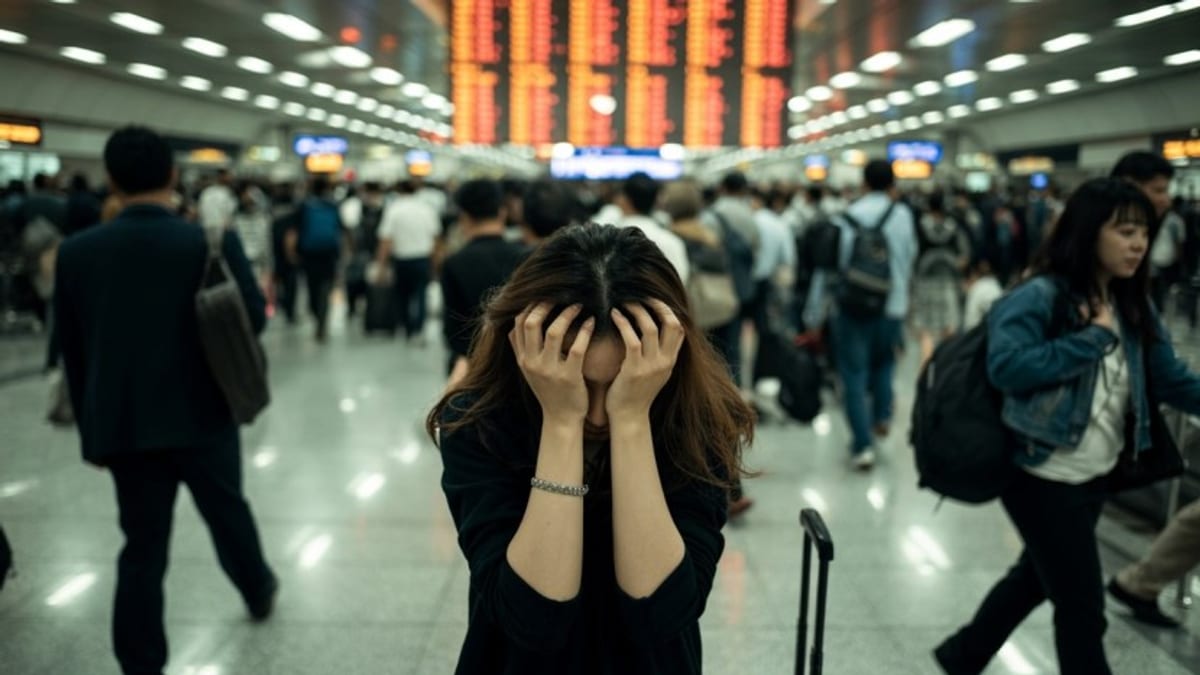
Global Fuel Shock Meets Thailand’s Peak Travel Season
The 2026 Songkran period is coinciding with a sharp disruption in global oil flows linked to conflict in the Middle East, which has pushed crude prices above 100 dollars a barrel and tightened supplies into Asia. Thailand, heavily dependent on imported fuel, has seen diesel and other petroleum products become more expensive just as the country enters its busiest domestic travel window of the year.
Recent economic assessments indicate that Thailand’s diesel prices jumped after temporary subsidies expired in mid March, with pump prices moving into the mid 40 baht per litre range in early April compared with the mid 20s before the crisis. Analysts warn that transport intensive sectors such as tourism, logistics and agriculture are particularly exposed, given their reliance on diesel powered buses, vans and trucks.
Tourism planners had expected 2026 to be another year of steady recovery, but those projections are now being revised. Forecasts reported in local business media show Thailand trimming its foreign arrival targets and tourism revenue expectations as fuel driven operating costs rise and household budgets in key source markets come under pressure.
Regional coverage of Asia’s energy situation also highlights broader volatility. Trade stoppages around the Strait of Hormuz have been described as one of the largest supply disruptions in decades, leaving governments across the region juggling fuel reserves, conservation campaigns and targeted relief measures to shield consumers and critical sectors.
Diesel Shortages and Domestic Transport Bottlenecks
Within Thailand, the most visible pressure point ahead of Songkran has been the diesel supply chain that underpins long distance road travel. Local coverage from southern provinces such as Trang reports passenger vans queuing for fuel, grappling with higher costs and, in some cases, warning that services could be curtailed if shortages and high prices persist into the festival week.
Social media posts and local reporting from multiple provinces describe patchy diesel availability outside Bangkok, with some petrol stations temporarily running dry and others imposing limits. Informal accounts from motorists suggest that gasoline grades remain generally available, while diesel is tighter, reflecting intense demand from commercial transport and interprovincial buses.
Polling data published by the NIDA research institute and carried by domestic outlets indicates that high fuel prices and concerns about shortages are already altering travel plans. One recent survey suggested that more than half of respondents expected to stay home or scale back trips during Songkran if the oil crisis continued, with only a minority planning to travel as originally intended.
The perception of scarcity can itself contribute to strain on the system. Comment threads monitored by travel communities describe episodes of panic buying and long queues in some areas, particularly among drivers reliant on diesel. While these reports are uneven and highly localized, they reinforce concerns that sporadic supply glitches could disrupt transport just as traffic volumes surge.
Government Measures Aim to Keep Songkran Moving
In response to rising public anxiety, Thai authorities have announced a series of measures designed to underpin travel during the April holiday period. Government briefings reported in national newspapers outline a freeze on public transport fares over Songkran, covering state bus services and other regulated routes, to prevent operators from passing on the full impact of higher fuel costs to passengers.
Transport agencies are also coordinating closely with major fuel distributors to bolster stockpiles at key depots. Coverage in Thai media describes efforts to fully replenish reserves at bus terminals nationwide, as well as real time monitoring of thousands of fuel tankers via GPS to reduce the risk of localised shortages along major corridors.
Traffic forecasts released for the April 10 to 19 window point to more than 10 million vehicles expected on Thailand’s main highways and motorways and nearly 16 million on expressways in and out of Bangkok. To manage that flow, officials have extended operating hours at checkpoints, rest areas and certain toll stations, while reinforcing safety campaigns that focus on fatigue, speeding and drink driving.
At the same time, the national government has launched broader energy saving appeals, encouraging flexible work arrangements, carpooling and reduced non essential travel. Commentaries in international and local press note that these conservation steps are part of a wider regional pattern as Asian economies respond to the fuel shock, but they also underscore the delicate balance Thailand is trying to strike between safeguarding mobility and curbing consumption.
Tourism Industry Adjusts to Higher Costs and Softer Demand
The fuel crunch is reverberating through Thailand’s tourism supply chain, from airlines and tour operators to hotels and small travel businesses that depend heavily on Songkran revenues. Trade publications report that carriers serving Thailand are facing higher jet fuel bills, prompting ticket price increases and fuel surcharges on some routes, particularly for last minute bookings into April.
Industry analysis published by regional travel media suggests that operators are adjusting in several ways. Some airlines and associations are lobbying for temporary tax relief on jet fuel to help stabilize fares, while tour companies are pushing early booking campaigns to lock in prices before further fuel volatility. Others are shortening itineraries, shifting to closer destinations within Thailand, or reconfiguring excursions to reduce long coach segments.
Hotel markets in major Songkran hubs such as Bangkok, Chiang Mai and beach resorts are also feeling the impact. Reports from Thai tourism outlets indicate that bookings for the 2026 festival are softer than last year, with some hotels responding by trimming rates or adding value extras to attract last minute domestic travelers who remain undecided due to fuel costs.
Business groups, including chambers of commerce and tourism councils, are urging targeted support for transport operators and measures to keep energy prices in check, arguing that confidence in the reliability and affordability of travel is crucial not only for Songkran but for the broader recovery of Thailand’s visitor economy.
Regional Context and Outlook for Travelers
Thailand’s experience is part of a wider regional picture in which Asian tourism destinations are confronting higher fuel bills and the risk of supply bottlenecks at the start of the 2026 peak travel cycle. Trade and energy reports describe airlines across Southeast Asia recalibrating capacity, revising budgets and in some cases adding levies linked to sustainable or conventional aviation fuel to manage costs.
For travelers planning to visit Thailand during Songkran, the practical implications are mixed. Air links remain open, and the country’s transport network is operating, but passengers may encounter higher fares than in previous years and should allow extra time for potential congestion at bus terminals, service stations and highway rest stops. Travel advisories from online communities consistently encourage advance booking of tickets and accommodation, especially for popular routes immediately before and after the holiday.
Domestic tourists weighing whether to travel or stay home appear increasingly sensitive to price signals. Surveys suggest that many households are recalculating the cost of returning to home provinces or undertaking leisure trips against a backdrop of elevated fuel prices and broader cost of living pressures, even as the cultural pull of Songkran remains strong.
Looking beyond April, analysts point out that the trajectory of Thailand’s tourism sector will hinge in part on how long the global fuel disruption lasts and how effectively national policies can cushion its impact. For now, Songkran 2026 is emerging as an early test of the resilience of Thailand’s travel infrastructure, and of travelers’ willingness to keep moving when the cost of fuel becomes a central concern.