


More news on this day
Targeted upgrades at Langkawi International Airport and shifting airline network strategies across Asia are converging to reposition the Malaysian island as a more attractive stop on regional itineraries, feeding rising optimism across its tourism sector.
Get the latest news straight to your inbox!
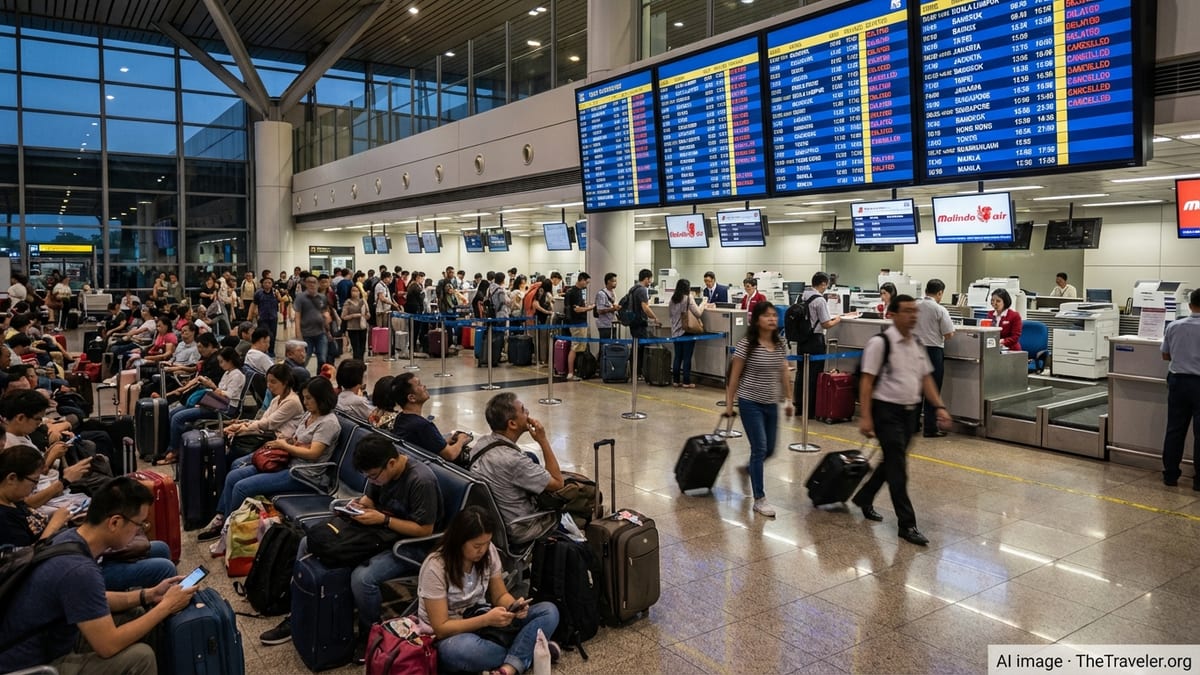
Airport Enhancements Align With Regional Hub Strategy
Recent infrastructure and service improvements at Langkawi International Airport are coinciding with a broader reshaping of transit patterns across Asian aviation hubs. Publicly available information from Malaysia’s airport operator points to ongoing quality-of-service initiatives at Langkawi, including terminal refurbishments, lounge enhancements and digital upgrades such as 5G-enabled showcases designed to improve the passenger experience from arrival through departure.
The Quality of Service framework introduced at Langkawi in 2023, alongside similar initiatives at other secondary airports, is intended to standardise performance metrics and raise the profile of regional gateways in Malaysia. These measures support the government’s wider aviation and tourism strategies as traffic rebounds across the country and airlines look for flexible points in their networks to handle seasonal and niche leisure flows.
Although Langkawi is not expected to compete directly with mega-hubs such as Kuala Lumpur, Singapore or Doha, the island airport is being positioned as a higher-value node within those wider networks. Industry reports highlight the role of smaller leisure-focused airports in absorbing overflow capacity from major hubs and enabling more seamless one-stop journeys for long-haul passengers heading to beach and resort destinations.
The renewed focus on airport experience also dovetails with Langkawi’s branding as a premium yet accessible destination. Enhanced facilities at arrival and departure are seen as critical to maintaining that positioning as the island seeks to retain repeat visitors while drawing new international segments via larger Asian transit points.
Airlines Reroute Through Asia’s Expanding Mega-Hubs
Across the region, long-haul carriers are continuing to consolidate traffic flows through a handful of powerful hubs in Southeast and East Asia as well as the Gulf. Network announcements over the past two years show airlines shifting capacity into airports such as Kuala Lumpur International, Singapore Changi and select Gulf hubs, while trimming or restructuring services at less efficient points.
This recalibration reflects a post-pandemic emphasis on yield, aircraft utilisation and connectivity. By concentrating flights into airports with strong banked connections, airlines can offer more one-stop itineraries between secondary cities in Europe, the Middle East and Asia, while feeding leisure destinations like Langkawi via short-haul spokes.
Malaysia’s own aviation development plans reinforce this pattern. Expansion projects at major international gateways, including Penang and Kuala Lumpur, are designed to handle higher passenger volumes and widen the range of onward connections to domestic and regional airports. In this context, Langkawi functions as an end-of-line resort destination that benefits from increased frequencies and improved connectivity at upstream hubs, even without a large slate of direct long-haul services.
Travel trade analyses suggest that as airlines continue to refine their networks through 2026, secondary destinations with reliable domestic and short-haul links to the main hubs are likely to see steadier passenger flows. Langkawi’s air connectivity to Kuala Lumpur and other Malaysian gateways positions the island to capture a share of this redirected traffic, particularly from Europe, the Middle East and Northeast Asia.
Tourism Data Underscore Growing Confidence
Passenger traffic trends and tourism data point to a steadily strengthening recovery for Langkawi. Official statistics and regional hospitality reports indicate that the island’s visitor arrivals rebounded strongly through 2023 and 2024, with figures approaching or surpassing pre-pandemic benchmarks and generating billions of ringgit in tourism receipts.
By 2024, Langkawi’s visitor numbers were estimated in the high two-million to low three-million range, with local authorities setting targets above three million arrivals for 2025 as part of broader state and national campaigns. Recent corporate filings related to tourism investments in Kedah describe Langkawi’s visitor base as relatively stable, with incremental growth expected as marketing pushes into regional markets continue.
Domestic tourism has also been a key pillar of recovery. National data for 2024 show a sharp rise in domestic travel within Malaysia, with higher spending and more frequent use of air transport between urban centres and resort destinations. Langkawi has featured prominently in these trends, benefiting from pent-up demand and improved connectivity via Kuala Lumpur and Penang.
Industry analysts note that while global economic headwinds and currency fluctuations remain potential headwinds, Langkawi’s diversified mix of domestic travellers, regional visitors and charter operations has helped spread risk. The island’s positioning as both a family-friendly and premium nature destination further supports resilience as travel preferences evolve.
Charter Flights and Niche Markets Complement Hub Traffic
Alongside scheduled services feeding in from major hubs, Langkawi has attracted periodic charter flights that plug the island directly into specific source markets. Past seasons have seen charter operations from Eastern Europe and other regions, often coordinated with local tourism bodies to test new segments and extend seasonal peaks.
Reports from Malaysian and regional media highlight how such charters complement hub-based connectivity rather than replace it. Passengers who first experience Langkawi through a direct charter may later return via scheduled routes transiting Kuala Lumpur or other Asian hubs, gradually building a more sustainable base of repeat visitors.
Tourism strategists are increasingly looking at these niche flows as part of a broader portfolio approach. In this model, Langkawi relies on its domestic and regional air links for year-round stability, while charters and cruise arrivals provide spikes in demand around peak holiday periods. Upgraded airport facilities and streamlined ground handling are viewed as essential to managing these surges without compromising service quality.
This diversification also aligns with Langkawi’s ambition to maintain its UNESCO Global Geopark profile and sustainable tourism credentials. By spreading arrivals across multiple channels and seasons, stakeholders aim to ease pressure on natural attractions while still capitalising on stronger regional connectivity.
New Transit Patterns Create Opportunities And Pressures
The redrawing of airline networks and the rise of Asia’s mega-hubs create both opportunities and pressures for Langkawi. On one hand, increased connectivity through Kuala Lumpur, Singapore and Gulf hubs expands the pool of potential visitors who can reach the island with just one or two connections. On the other, intense competition among resort destinations across Southeast Asia means Langkawi must continuously enhance its product and infrastructure.
Recent investment in digital experiences at the airport, including immersive 5G-based attractions that showcase Langkawi’s landscapes inside the terminal, reflects efforts to differentiate the destination from the moment travellers transit through. These initiatives aim to convert passengers who may initially see the island as a side trip from a larger Asia itinerary into primary-stay visitors.
Local tourism players are also paying close attention to regional developments, such as new airports and upgrades elsewhere in Malaysia and neighbouring countries. As more secondary cities improve their aviation facilities, Langkawi faces the challenge of maintaining its share of airline capacity and tour operator attention within an increasingly crowded field.
For now, the combination of targeted airport enhancements, rising domestic and international demand, and the strategic rerouting of airline traffic through Asia’s hubs is underpinning a cautiously optimistic outlook. If current trends hold, Langkawi appears well placed to ride the next wave of regional tourism growth, even as the dynamics of global air travel continue to shift.