


More news on this day
The Trump administration’s quiet move to deport a group of Iranians and other migrants to the Central African Republic, a country under a strict “do not travel” advisory from Washington, is intensifying scrutiny of the United States’ expanding use of third-country deportation deals in some of the world’s most fragile states.
Get the latest news straight to your inbox!
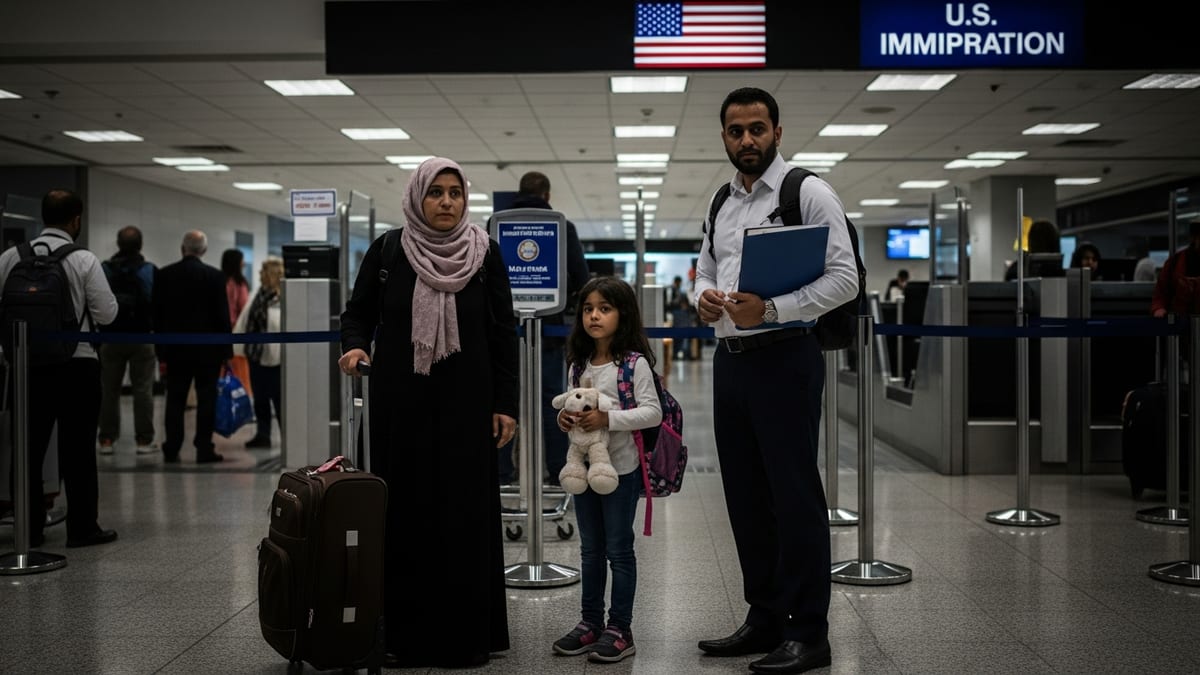
Deportation Flights Collide With U.S. Travel Warning
Publicly available State Department information currently advises U.S. citizens against travel to the Central African Republic because of armed conflict, high levels of violent crime, kidnapping risks and limited access to medical care. Humanitarian assessments describe the landlocked nation as one of the world’s poorest, with large areas outside effective government control and recurring clashes involving armed groups.
Despite that assessment, published coverage indicates that U.S. immigration authorities are preparing to send, and in some cases have already sent, migrants with no ties to the country to the Central African Republic under a recently concluded third-country arrangement. Reports highlight Iranians who fled political repression among those booked on removal flights, alongside other non-African nationals who were unable to return safely to their countries of origin.
Rights advocates argue that returning people who sought protection in the United States to a destination Washington itself classifies as extremely dangerous exposes them to many of the same threats from which U.S. travelers are warned to stay away. Legal analysts say this tension between official travel guidance and deportation policy is likely to fuel further court challenges and congressional oversight efforts.
Third-Country Deals Become Cornerstone of Trump Strategy
According to multiple reports, the arrangement with the Central African Republic is part of a broader network of third-country deportation deals the Trump administration has built to move migrants it cannot lawfully send back to their home countries. Similar agreements have previously been documented with African states such as Eswatini, Sierra Leone, Ghana, Rwanda and others, as well as several Latin American nations.
In these deals, the receiving government accepts migrants who often have no family, language or cultural connections to the country. Analysts say such agreements typically involve financial or diplomatic incentives, including development aid or support for security and migration management projects, though the precise terms are rarely made public.
Critics contend that the policy allows Washington to sidestep long-standing protections in U.S. and international law that bar sending people to places where they face a serious risk of persecution, torture or indiscriminate violence. They note that many of those routed to third countries originally requested asylum or other humanitarian protections and, in some cases, had obtained temporary relief from deportation in U.S. courts.
Supporters of the administration’s approach argue that the United States must use every available tool to remove migrants who lack legal status, especially those from countries that refuse to accept deportation flights or have strained diplomatic relations with Washington. They frame third-country transfers as a way to maintain immigration enforcement where direct returns are blocked.
Conditions in Central African Republic Raise Safety Concerns
The Central African Republic has spent much of the past decade in conflict, with cycles of communal and political violence displacing hundreds of thousands of people. Peace agreements have repeatedly faltered, and armed groups remain active in many regions, according to humanitarian organizations and conflict monitors.
Basic infrastructure is limited, particularly outside the capital Bangui. Roads are poor, health facilities are scarce and many communities rely on overstretched aid agencies for food, shelter and medical support. Human rights reporting has documented widespread abuses, including arbitrary detention, sexual violence and attacks on civilians by both state and non-state actors.
Analysts say newly arrived deportees who lack local networks, resources or language skills are likely to be especially vulnerable in such an environment. Questions have been raised about how migrants are housed on arrival, whether they receive any legal assistance or resettlement support, and what long-term prospects they face in a country already struggling to support its own displaced population.
Some policy experts warn that offloading responsibility for vulnerable migrants onto fragile states risks deepening regional instability. They argue that sudden infusions of non-citizens with complex legal and protection needs can strain host communities, overstretch local institutions and fuel tensions, particularly where employment and basic services are already scarce.
Legal and Humanitarian Pushback Intensifies
Immigration lawyers and advocacy groups are turning to U.S. courts and international human rights mechanisms to challenge the Central African Republic deportation plan. Case filings and public statements emphasize the apparent contradiction between sending people to a country considered too dangerous for American travelers and the obligations the United States has undertaken under refugee and anti-torture conventions.
Publicly available case documents describe efforts to halt individual removals at the last minute, including emergency petitions arguing that migrants were not given a meaningful opportunity to seek protection or to contest transfer to a third country with which they have no connection. In past third-country removals, judges have occasionally intervened when authorities failed to follow required procedures or assess the risk of harm in the destination state.
Humanitarian organizations warn that, once deportation flights land, it can be extremely difficult to monitor what happens next. Limited media presence, constrained access for international observers and the general insecurity that underpins the U.S. travel warning complicate efforts to track deportees’ safety and wellbeing over time.
Policy analysts note that the outcome of current legal battles and diplomatic discussions over the Central African Republic arrangement could shape the future of third-country deportations more broadly. They suggest that, if the deal proceeds despite the travel advisory, it may set a precedent for using similarly high-risk destinations in future removals, with significant implications for global refugee protection and international mobility.
Implications for Global Mobility and Travel Policy
For travelers, the episode highlights the widening gap between the protections extended to passport holders from countries like the United States and the constrained, often hazardous journeys facing people who move without powerful travel documents. While U.S. citizens are warned not to visit the Central African Republic at all, migrants who sought refuge in the United States are being compelled to start over there.
Some experts in migration policy say this contrast underscores a broader shift toward externalizing border controls, in which wealthier countries pay or pressure less affluent states to host people they do not wish to admit or retain. Over time, they argue, such arrangements could create new tiers of mobility, where the same destination is off limits to tourists but acceptable for deportees.
The Central African Republic deal also raises questions about how travel advisories interact with other branches of foreign and domestic policy. Observers note that those advisories are designed to inform and protect travelers, yet they do not appear to constrain decisions about where the United States may send people under deportation orders.
As removal flights continue to feature in the Trump administration’s broader immigration strategy, travel industry watchers and human rights analysts alike are monitoring how such policies may reshape global movement patterns, destination risk perceptions and the practical meaning of state-issued travel warnings.