


More news on this day
Travellers using Manchester Airport on Wednesday 10 June 2026 faced a day of scattered but sometimes lengthy flight delays, as busy summer schedules combined with operational knock-on effects across several European routes.
Get the latest news straight to your inbox!
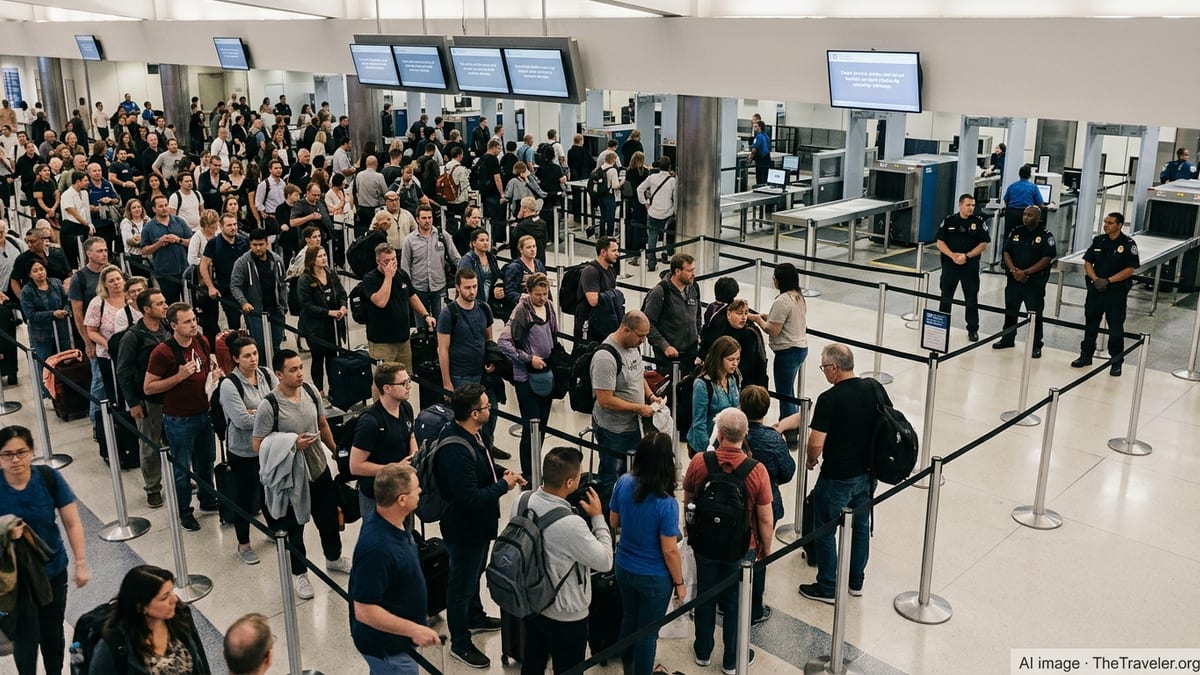
Patchy disruption across key short haul routes
Publicly accessible flight tracking data indicates that delays at Manchester on 10 June were concentrated on a mix of short haul leisure and regional services, rather than a single large-scale shutdown. Several departures left later than planned, with some services to popular summer destinations pushed back by around one to two hours.
Routes between Manchester and southern Europe were among those showing schedule pressure. Data for flights operating between Manchester and Portuguese and Spanish destinations on 10 June points to late pushback from stands and later than scheduled arrivals at holiday airports, reflecting a pattern of congestion in the midday and early evening peaks.
Individual services also experienced more modest delays of between 15 and 45 minutes, a level broadly consistent with wider European performance indicators for the early summer period. For many travellers these shorter delays translated into extended time at the gate rather than missed connections, although those relying on tight onward rail links faced knock-on inconvenience.
There were no signs in the data of a full suspension of operations at Manchester on 10 June, suggesting that the airport remained operational throughout the day even as some flights ran behind schedule.
Ryanair and Jet2 flights among those running late
Low cost and leisure carriers formed a visible share of the disrupted programme. Real time records for Ryanair flight FR3543 from Manchester to Nantes on 10 June show that the service departed later than its original schedule, with revised timings indicating a lunchtime take off and a mid afternoon arrival in western France rather than the earlier plan.
Separate tracking information for Jet2 services suggests delays on selected rotations linking Manchester with Mediterranean destinations. One Jet2 flight operating between Verona and Manchester around the same period was recorded as leaving Italy later than scheduled before landing in Manchester behind its planned arrival time, underlining how late inbound aircraft can compress turnaround windows and contribute to later departures.
These examples illustrate how disruption does not always stem from a single issue at Manchester itself. Aircraft and crews arriving late from other airports can lead to a cascade of small schedule adjustments, particularly in a densely timed summer timetable where spare capacity for recovery is limited.
For passengers, the impact ranged from relatively minor inconvenience to significant reworking of travel plans, especially for those with same day connections onto ferries, trains or separate point to point flights.
Weather and wider European congestion as contributing factors
While local conditions at Manchester on 10 June did not point to a prolonged closure, the day fell within a broader spell of unsettled weather and air traffic constraints affecting parts of Europe in early June. Recent operational summaries for the region have highlighted low visibility procedures, thunderstorms and strong winds at various hubs, all of which can reduce airspace capacity and slow flows along busy corridors.
Published performance data for European carriers in 2026 has also pointed to a rise in average departure delays compared with pre pandemic norms, reflecting a combination of tight staffing, high seasonal demand and infrastructure works at some airports. When such pressures interact, even brief ground holds or reroutes can ripple through schedules and reach airports that are not directly affected by severe weather at that moment.
Manchester’s own capacity planning documents for the summer 2026 season show that the airport is operating at high utilisation across much of the day, particularly in the morning and late afternoon peaks. In this context, relatively small disturbances can make it harder to absorb late running without visible impact on departure boards.
The pattern seen on 10 June, with scattered delays rather than widespread cancellations, aligns with these broader trends of a busy network operating close to its limits rather than a single identifiable local breakdown.
Impact on passengers and onward connections
For travellers, even moderate delays created challenges away from the runway. Passengers arriving into Manchester later than planned faced the risk of missing pre booked rail services or coach transfers, especially where connection margins were already tight. Advice shared in recent public discussions about travel through Manchester has highlighted the importance of allowing generous time buffers between flight arrivals and fixed onward transport.
Families and holidaymakers on point to point itineraries were often able to absorb schedule slips with relatively limited disruption, beyond longer waits in departure lounges and later check in at hotels. However, those using separate tickets for onward flights or long distance trains risked higher costs if they needed to rebook at short notice.
Publicly available information on passenger rights under UK and EU regulations continues to be relevant in such cases, particularly when delays reach several hours or flights are cancelled outright. Eligibility for compensation or care provisions depends on the length of the delay, the distance flown and whether the cause falls within the airline’s control.
Travel analysts note that the pattern of disruption at Manchester on 10 June illustrates a familiar challenge for busy hubs in early summer. Even on days without headline making events, a combination of network congestion, tight turnaround times and weather issues elsewhere can produce a steady stream of smaller delays that still meaningfully affect passenger experience.