


More news on this day
A TUI Airways service from Cancun to Manchester diverted more than 2,200 miles to a remote airport in Canada after a passenger’s behaviour reportedly escalated in mid air, forcing the crew to ground the aircraft and leaving holidaymakers facing an unexpected 14 hour delay.
Get the latest news straight to your inbox!
Mid Atlantic incident forces diversion to Canada
Publicly available flight tracking data and media coverage indicate that TUI flight BY143, operating from Cancun to Manchester on 4 June, was cruising towards the North Atlantic when cabin crew became concerned about the conduct of a passenger on board. Reports suggest the individual was initially monitored while the flight continued along its planned route toward the United Kingdom.
As the situation developed, the captain is understood to have assessed the behaviour as a potential safety risk for passengers and crew. Instead of continuing across the ocean to Manchester, the Boeing aircraft turned north towards Newfoundland and Labrador, ultimately diverting to the small transatlantic hub of Gander, around 2,200 miles from the aircraft’s intended destination in northwest England.
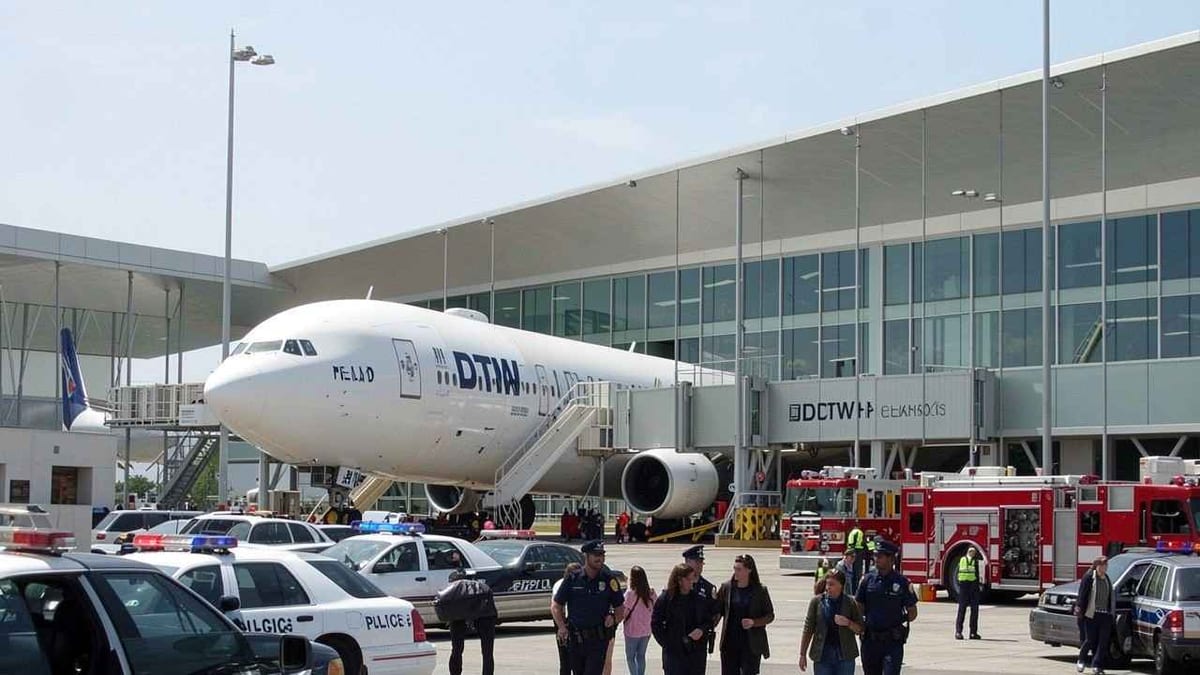
Accounts from passengers and aviation outlets state that the aircraft landed safely in Canada, where local law enforcement met the flight. The disruptive traveller was subsequently removed, allowing the remaining passengers to disembark briefly while the aircraft and crew prepared for the next stage of the journey.
From holiday homecoming to 14 hour odyssey
The diversion transformed a routine overnight return from Mexico into a protracted travel ordeal. According to published timelines, the unscheduled landing and subsequent turnaround resulted in an overall delay of about 14 hours for passengers expecting a direct service to Manchester.
Travellers faced hours on the ground in Gander while the aircraft was refuelled, paperwork completed and operational checks carried out. As the airport is relatively small compared with major transatlantic hubs, facilities and accommodation options were more limited, compounding the disruption for families and groups already nearing the end of a long haul flight.
Once clearance was granted and the situation stabilised, the TUI jet continued its journey across the Atlantic, arriving in Manchester significantly behind schedule. By that point, many passengers had missed onward trains, coaches and domestic connections, adding extra cost and complexity to the final leg of their holidays.
Why crews sometimes turn long haul flights around
Although such large diversions remain relatively rare, safety and security protocols give pilots wide discretion to change course when a situation on board deteriorates. Industry guidance highlights that once an aircraft commits to an oceanic crossing, options for emergency landings become limited, so crew must decide early whether an incident can be managed until arrival or requires a diversion to the nearest suitable airport.
In cases involving disruptive passengers, diversion decisions typically weigh several factors, including the risk of violence, interference with crew duties, or potential attempts to open doors or tamper with equipment. Aviation analysts note that diverting to airports such as Gander can shorten the time needed to get a problematic situation under control, while providing access to local policing and medical support.
Recent global coverage of mid air incidents shows that airlines across Europe and North America have increasingly chosen to divert flights when faced with unruly or threatening behaviour. The TUI case from Cancun to Manchester fits this broader pattern of precautionary decision making that prioritises safety over timetable reliability.
Passenger rights and what travellers can expect
Events like the BY143 diversion raise familiar questions for holidaymakers about compensation, care and onward travel. Under UK and European Union regulations, carriers are generally expected to provide meals, refreshments and, when necessary, hotel accommodation during extended delays, although the level of support can vary depending on the circumstances and the airline’s interpretation of its obligations.
When an incident is triggered by an individual passenger rather than a technical fault or airline staffing issue, carriers often classify the disruption as an extraordinary event, which can limit entitlement to fixed cash compensation. Even so, travel advisers point out that airlines typically arrange rebooking, ground transport where possible and basic assistance, while affected customers can also submit claims to their travel insurers for additional costs.
For tour operator flights, including many services run by TUI Airways out of Manchester Airport, the package holiday framework may offer an extra layer of protection. Package organisers are expected to help secure alternative arrangements and keep customers informed, although the experience on the day can depend heavily on local staffing and the availability of hotels and transport at the diversion airport.
Manchester’s role as a major leisure gateway
The diversion highlights the volume of long haul leisure traffic funnelling through Manchester, one of the United Kingdom’s busiest regional hubs and a key base for TUI’s operations. The airport handles millions of holidaymakers each year on routes linking northern England with destinations such as Cancun, the Caribbean, Florida and Mediterranean resorts.
With so many seasonal and charter services operating at high load factors, any single disruption can affect hundreds of passengers and put pressure on airline scheduling. When an aircraft and crew are suddenly out of position, as happened when BY143 was grounded in Canada, it can take time to restore normal rotations and find spare capacity to cover subsequent flights.
Travel industry observers note that while diversions of this scale are disruptive and frustrating for those on board, the Manchester bound TUI incident also illustrates how modern aviation systems are designed to manage risks in real time. For most holidaymakers, it is an unwelcome reminder that even familiar routes can be reshaped unexpectedly when safety considerations come to the fore.