


More news on this day
Türkiye is entering 2026 with record tourism momentum and an increasingly Europe-focused strategy, cementing long-term partnerships with major tour operators as it targets higher revenues, more year-round arrivals and a stronger global brand.
Get the latest news straight to your inbox!
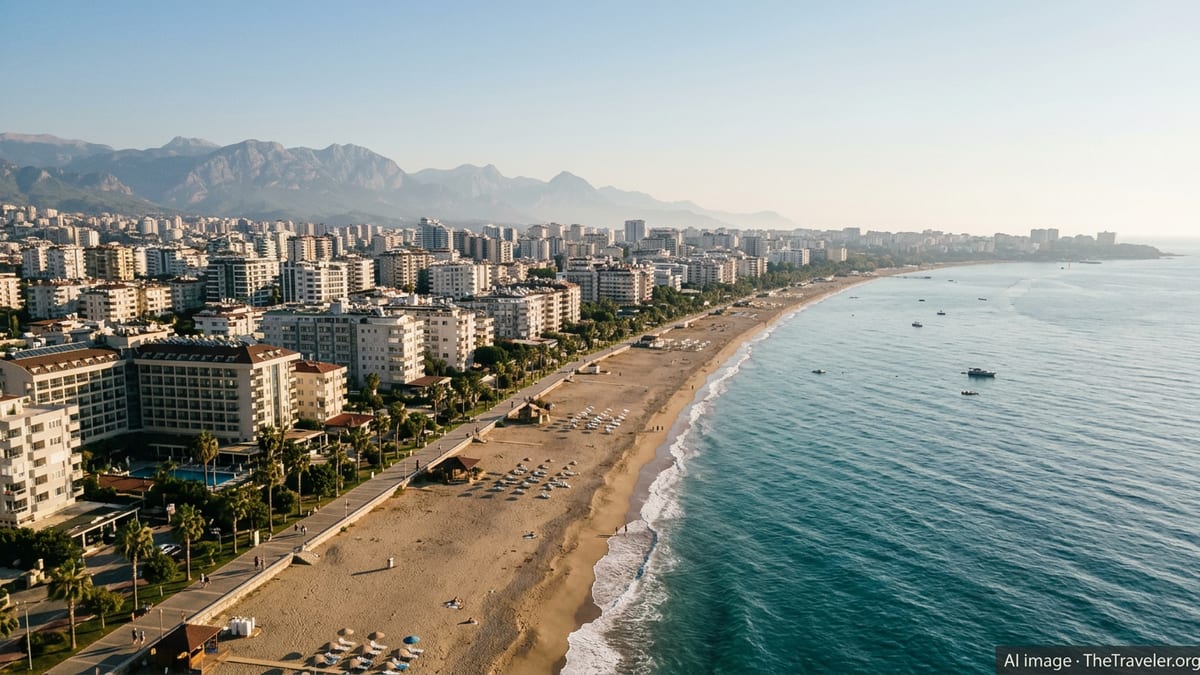
Record results set the tone for ambitious 2026 targets
Publicly available data show that Türkiye has emerged from the past few seasons as one of the world’s fastest-growing large destinations, with tourism revenue estimated at about 65 billion dollars in 2025 and international arrivals at historic highs. Sector coverage indicates that authorities have now set a tourism income target of roughly 68 billion dollars for 2026, alongside medium-term goals of reaching 80 million visitors and 100 billion dollars in receipts by 2028.
Recent reporting on January 2026 performance points to a solid start toward those aims, with international arrivals up several percentage points year on year and Europe accounting for nearly two fifths of visitors. Analysts note that this growth is not only about volume. Policy documents and sector commentary highlight a clear shift toward higher-spending tourists, diversified source markets and longer stays, positioning tourism as a key pillar of Türkiye’s broader economic program for 2026 to 2028.
Within this outlook, Europe remains the cornerstone. Germany, the United Kingdom and Russia rank among Türkiye’s largest individual markets, and European travelers as a whole continue to dominate arrival statistics. According to sector-focused coverage, planning for 2026 has therefore centered on making these relationships more predictable and mutually beneficial, especially through closer cooperation with large tour operators.
Strategic meetings with Europe’s biggest tour operators
In early April 2026, Turkish media reported that Culture and Tourism Minister Mehmet Nuri Ersoy held high-profile meetings in Istanbul with senior executives from two of Europe’s leading tourism groups, including Germany-based Dertour Group. According to published coverage, discussions focused on early booking trends for the 2026 and 2027 seasons, capacity planning and joint promotional efforts across Central and Eastern Europe, with Germany described as a priority market.
These talks build on a pattern of structured engagement between Türkiye and key European intermediaries. National planning documents for 2026 to 2028 reference partnerships with global distribution networks and tour operators as a central tool for sustaining growth, particularly in competitive sun-and-sea segments where destinations such as Greece, Spain and Egypt vie for the same customers.
By aligning its national marketing campaigns with the planning cycles of major tour operators, Türkiye aims to lock in higher volumes earlier in the season and reduce exposure to last-minute price discounting. Industry analysts say that for European partners, closer ties offer access to a wide range of product, from mass-market coastal resorts to boutique city breaks and cultural itineraries, underpinned by large-scale airlift into Antalya, Dalaman, Bodrum and Istanbul.
Capacity expansions from TUI, Jet2 and other key partners
Several European tour operators have already announced capacity increases that directly support Türkiye’s 2026 tourism ambitions. German travel giant TUI Group, often described as Europe’s largest tour operator, has outlined plans to open four new hotels in Europe in spring 2026, including two properties in Türkiye under its well-known leisure brands. Industry reports link these investments to sustained demand for Turkish coastal resorts among German and Northern European holidaymakers.
From the United Kingdom, Jet2.com and Jet2holidays, identified in trade coverage as the UK’s largest tour operator by licensing metrics, have expanded both summer 2025 and winter 2025/2026 programs to Türkiye. An earlier winter schedule announcement detailed tens of thousands of additional seats to Turkish destinations during the shoulder and off-peak months, consolidating the country’s position as a go-to winter-sun option for British travelers.
These moves add to capacity provided by other European brands, charter carriers and low-cost airlines, many of which have strengthened their Turkish networks over recent seasons. Sector observers highlight that expanded flight programs and guaranteed hotel allotments from tour operators do more than raise headline visitor numbers; they underpin longer booking windows, provide stability for local hoteliers and encourage new investment in resort infrastructure.
Marketing, events and a push beyond the summer season
Türkiye’s tourism strategy for 2026 goes beyond capacity agreements and seeks to reshape when and how visitors experience the country. The government’s recent pre-accession economic and reform program notes that national tourism campaigns were broadcast in dozens of European countries in 2025, supported by extensive digital marketing to build brand recognition and highlight diverse products, from culture and gastronomy to nature and wellness.
Participation in major travel trade fairs also features prominently. Official summaries indicate that Türkiye organized national stands at more than two dozen international tourism exhibitions in 2025, many of them in European capitals. Looking ahead, events such as the Istanbul Tourism Fair, scheduled for September 2026, are designed as platforms for direct business development between Turkish suppliers and international buyers, including tour operators, online agencies and MICE planners.
At the same time, policy papers emphasize efforts to reduce seasonal concentration by promoting city tourism, cultural routes in Anatolia, winter sports in eastern provinces and cruise tourism, which has recently climbed back toward multi-year highs. European tour operators are seen as important channels for packaging these products, giving repeat visitors alternatives to traditional beach holidays and supporting year-round employment in the sector.
Balancing high growth with sustainability and value
While the primary narrative around Türkiye’s 2026 tourism strategy is one of expansion, official planning documents and international assessments underline an increasing focus on sustainability and value creation. The country works with international tourism bodies on certification and destination management, and the latest medium-term targets emphasize raising per capita visitor spending rather than pursuing volume alone.
Partnerships with European tour operators intersect directly with these objectives. By coordinating on product standards, environmental criteria and community engagement, Turkish destinations and their partners aim to ensure that new capacity does not erode the natural and cultural assets that attract visitors in the first place. Industry analysts point out that European travelers are showing greater interest in certified sustainable accommodation and authentic local experiences, which could support Türkiye’s efforts to distribute tourism benefits more widely beyond its busiest coastal hubs.
As 2026 unfolds, the combination of record recent results, clearly defined targets and deepening collaboration with Europe’s leading tour operators positions Türkiye as a case study in how large destinations can use strategic partnerships to drive both growth and resilience. For travelers and the industry alike, the coming seasons will reveal how effectively this ambitious approach translates into on-the-ground experiences across the country.