

More news on this day
Rail travel to and from London was severely disrupted on Friday after two passenger trains collided near Bedford, north of the capital, in what British media described as a major incident on one of the country’s busiest intercity corridors.
Get the latest news straight to your inbox!
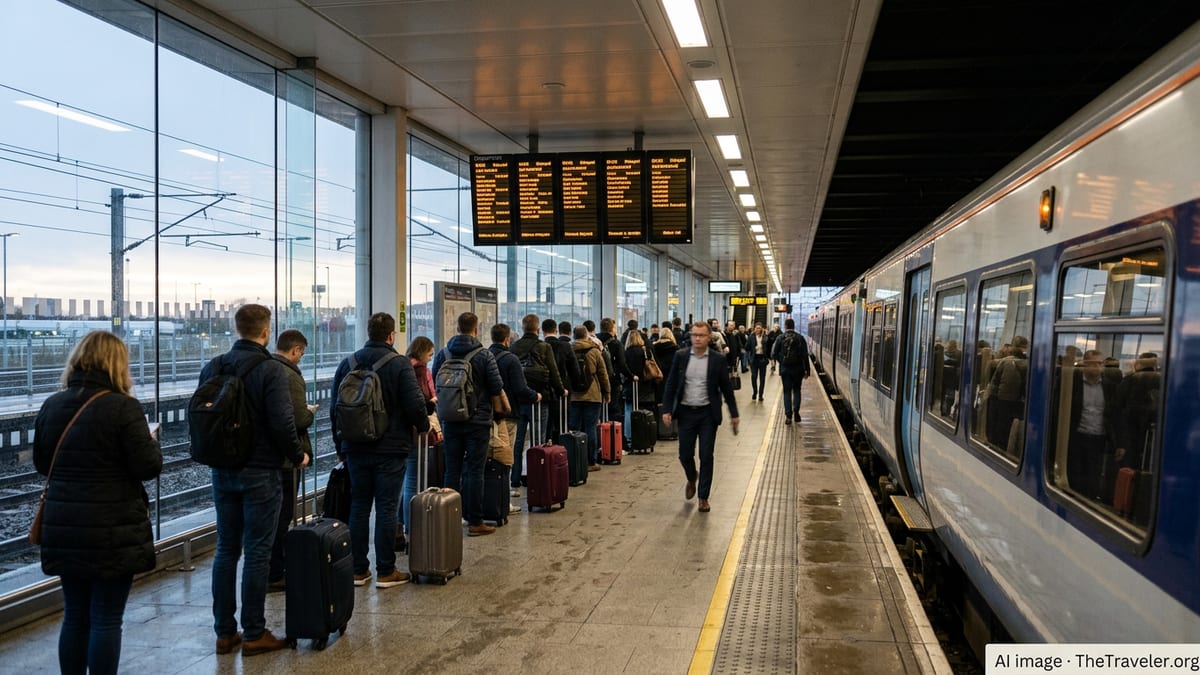
Collision on Key Route North of London
According to early coverage from UK and international news outlets, the collision occurred on the main line linking London St Pancras with towns and cities in the East Midlands and further north. The incident was reported on the evening of 19 June near Bedford, a key junction on the route.
Published accounts indicate that both trains involved were modern high speed passenger services. Photos and video shared on social media and carried by broadcasters appeared to show significant damage to the leading car of one train and buckling to the structures designed to absorb impact energy, while both trainsets remained upright on or close to the tracks.
Initial reports describe several people being treated for injuries, with images showing passengers with bandages and visible cuts. At the time of writing, detailed casualty figures had not been formally released, and news organisations were cautioning that the situation was still developing.
Emergency response teams, including fire and ambulance services, were deployed to the scene, and rail operators advised travelers to expect severe disruption through the evening and potentially into the weekend.
What We Know So Far About the Impact on Passengers
Publicly available information from train operators and rail tracking services shows that services on the Midland Main Line north of London were quickly brought to a standstill after the collision. Trains already en route were held outside stations or turned back where possible, while others were cancelled outright.
Media coverage indicates that hundreds of passengers were on board the two trains at the time of the crash. Witness accounts reported in UK outlets describe a sudden jolt, people thrown from seats and luggage falling from overhead racks. Some passengers were helped from carriages onto the trackside before being guided to a safe area away from the line.
Rail operators signalled that tickets would be accepted on alternative routes, including other main lines into London where capacity allowed. However, journey planners showed heavy crowding on parallel routes and at key interchange hubs, affecting not only long distance travelers but also commuters returning home at the end of the working week.
Reports from the scene suggest that many passengers faced long waits for onward transport while checks were carried out and temporary road links arranged. Hotels around affected hubs were expected to see higher last minute demand as some travelers opted to delay their journeys until services stabilised.
Travel Advice for Rail Users in the UK
Based on information shared by rail operators and national rail coordination services, anyone planning to travel between London and destinations in the East Midlands or further north is being advised to check live journey updates before setting out. At the time of the incident, operators were indicating that tickets could be used on alternative rail routes where space permitted, and that replacement road transport might be deployed for some sections.
For travelers already in the UK or arriving via international flights, the incident underscores the importance of allowing additional time when connecting between airports and intercity rail. Travelers heading to and from London Luton Airport, which is served by nearby rail lines, may experience knock on delays or altered stopping patterns as trains are diverted or cancelled.
Those holding advance purchase tickets are being advised through operator statements and national journey planners that their tickets are likely to be valid on later departures once the route reopens, although exact terms can vary between companies. Flexible tickets and rail passes typically offer more options to switch to different services or even alternative operators.
Travelers with fixed time commitments, such as event bookings or cruise departures, may need to consider contingency plans, including coach services or private transfers, especially while the scale of the disruption remains uncertain.
Ongoing Investigation and Safety Context
While it is too early for any definitive explanation, specialist coverage of the UK rail network notes that main line operations are designed around multiple layers of protection to prevent trains occupying the same section of track. When collisions do occur, subsequent investigations typically examine signalling systems, train control technology, operational procedures and any infrastructure or rolling stock issues.
Rail safety analysts quoted in recent coverage of past incidents in the UK and Europe often highlight that modern train designs incorporate controlled crumple zones and reinforced passenger areas to reduce the risk of catastrophic structural failure. Initial images from the Bedford area appear consistent with these features absorbing a significant part of the impact, although a full assessment will depend on technical examination.
The UK’s independent accident investigation bodies normally publish detailed reports after such events, examining the sequence of events, the performance of emergency responses and the effectiveness of passenger protection measures. These reports frequently lead to recommendations on technology upgrades, changes to operating rules or improvements to staff training.
For international visitors following news of the incident, it is worth noting that serious rail collisions in the UK remain relatively rare compared with the overall volume of journeys made each day. Nevertheless, the Bedford crash is likely to prompt renewed discussion about capacity pressures, infrastructure renewal and the resilience of Britain’s busiest rail corridors.
What This Means for Upcoming Summer Travel
The collision comes just as the UK enters the peak summer travel season, with higher demand from domestic holidaymakers and international tourists. Industry observers expect that, even after the line reopens, there may be temporary speed restrictions, altered timetables and rolling stock shortages while damaged trains are repaired or replaced.
Tour operators and travel agents are likely to review itineraries that rely on the affected route, particularly multi city rail tours that connect London with cities in the Midlands and northern England. Some itineraries could be reworked to use different main lines or overnight stays shifted to reduce exposure to potential bottlenecks.
Travel planners recommend that visitors build flexibility into rail based trips over the coming weeks, including avoiding very tight connections between trains, reserving seats where possible and checking service updates on the day of travel. Those purchasing rail passes may wish to factor in the possibility of using alternative corridors if Midland Main Line capacity remains constrained.
As more verified information emerges about the causes and full impact of the Bedford collision, UK rail operators are expected to refine their service plans. For now, travelers are being encouraged to stay informed, allow extra time and be prepared for short notice changes on one of the country’s principal rail arteries.