


More news on this day
Typhoon Bavi is tearing through key transport corridors in Taiwan, Japan and eastern China, triggering widespread flight cancellations, rail suspensions and ferry shutdowns that are stranding travelers across East Asia at the height of the July holiday period.
Get the latest news straight to your inbox!
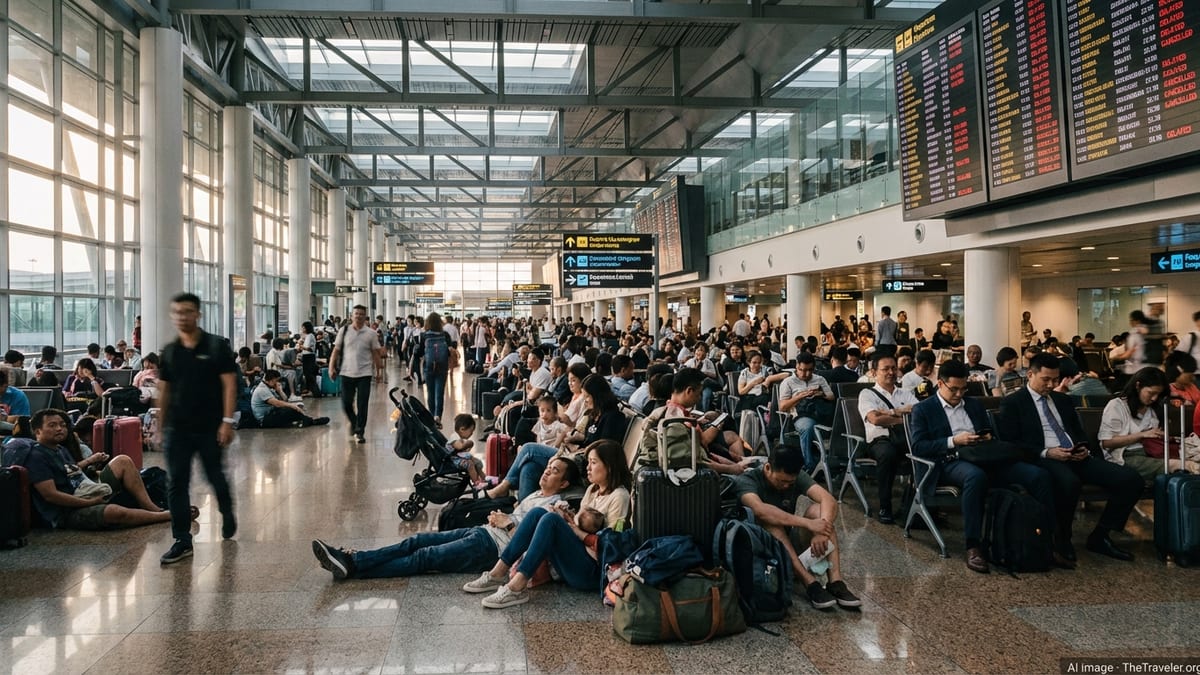
Air Travel Hit by Wave of Cancellations Across the Region
Publicly available airline and airport information shows that carriers across East Asia have canceled or delayed hundreds of flights as Typhoon Bavi’s wide wind field sweeps over major aviation hubs. In Taiwan, domestic and regional services are bearing the brunt, with dozens of departures from Taoyuan and Taipei Songshan scrubbed or consolidated as the storm skirts the island’s north and northeast coasts.
Japan’s southern and southwestern airports are also reporting substantial disruption. Notices from Tokyo’s Haneda Airport and coverage from Japanese media indicate that flights linking the capital with Okinawa, the Sakishima Islands and other southern destinations have been reduced or suspended as heavy rain and strong crosswinds build around runways. Some services to and from mainland China and Taiwan have been pulled preemptively as the storm shifts north and west.
On the mainland, travel advisories from Chinese state and regional outlets describe widespread cancellations at airports in Fujian and Zhejiang, where Bavi is forecast to move ashore later in the weekend. Major Chinese and regional airlines are offering free date changes or refunds on affected routes, but travelers are being warned that rebooking options may be limited in the near term because of aircraft and crew displacement.
Beyond the primary storm zone, long-haul carriers in Southeast Asia and further afield have adjusted schedules on flights that use Taiwan or Japan as transit points. Recent statements from airlines in Vietnam and Malaysia show that services into Taipei have been either canceled outright or retimed to avoid the worst of the conditions, adding knock-on delays for passengers connecting to North America and Europe.
Island Ferries and Coastal Links Shut Down
Maritime transport has been hit just as hard as aviation. Data published by Taiwan’s Maritime and Port Bureau and summarized in local English-language coverage indicate that more than one hundred ferry sailings between Taiwan’s main island, its outlying archipelagos and ports in mainland China have been suspended over a two-day period because of high seas and gale-force winds.
On Japan’s remote Sakishima and Yaeyama islands, regional reports describe shuttered ferry terminals, empty docks and tourist boats tied firmly in harbor as authorities activated typhoon contingency plans. Island communities that depend on small passenger ferries for food supplies and medical transfers are relying on pre-storm stockpiles and emergency logistics until seas calm enough for vessels to resume normal operations.
In eastern China, coastal routes linking Fujian and Zhejiang with nearby islands have also been paused, according to Chinese-language transport bulletins. Operators have grounded high-speed catamarans and conventional ferries alike, citing forecasts of heavy swell and low visibility in the Taiwan Strait and East China Sea. Cargo sailings are being rerouted further offshore or delayed until after Bavi’s projected landfall.
Travelers heading to popular island destinations such as Taiwan’s Matsu and Kinmen, Japan’s Ishigaki and Miyako, and China’s outlying coastal islets are being advised in local media reports to postpone trips and monitor updated timetables, as operators caution that inspections and debris clearing after the storm may further delay the restart of services.
Railway Disruptions Complicate Overland Travel
The storm’s expansive rain bands and powerful gusts are also affecting key rail corridors. Taiwan’s railway operators have issued a series of service change announcements, with some coastal and mountain lines reduced or suspended where landslide and flood risks are highest. While the island’s flagship high-speed line has largely maintained core services, publicly available timetables show targeted cancellations at times when winds are forecast to peak.
In Japan, regional coverage indicates that local trains on the outer islands and sections of the network in Kyushu and Okinawa have been halted or are operating on emergency schedules. While the main shinkansen routes on Honshu remain outside Bavi’s immediate path, operators have warned that residual delays are possible if the storm’s trajectory shifts closer to the country’s larger urban belts.
Chinese rail authorities are preparing for more extensive interruptions as Bavi moves toward the coast. State and provincial media reports point to planned temporary suspensions of some high-speed services along the southeastern seaboard, particularly in areas where tracks run close to exposed shorelines or river floodplains. Additional slowdowns are likely as operators conduct safety checks on bridges and embankments during and after the heaviest rainfall.
For travelers attempting to sidestep flight cancellations by switching to trains, the patchwork of local suspensions and reduced frequencies is creating its own bottlenecks. Seats on inland routes that remain fully operational are reportedly in high demand, with some travelers facing longer journeys and overnight stops to avoid coastal stretches most directly in the storm’s path.
Tourism Hotspots From Taipei to Okinawa Empty Out
The timing of Typhoon Bavi is particularly disruptive for domestic and regional tourism, coinciding with peak summer travel in Taiwan and Japan. Hotel operators in Taiwan’s east-coast destinations, including Hualien and coastal resort areas, have offered free cancellations or date changes, according to local tourism and media reports, as they brace for heavy surf and the risk of localized flooding.
On Japan’s subtropical islands, beaches and coastal parks that are normally packed in July have closed in anticipation of hazardous surf and flying debris. Reports from Okinawa and the Sakishima chain describe boarded-up shopfronts and largely deserted waterfront promenades as residents and visitors shelter indoors. Tour companies have suspended boat excursions, snorkeling trips and whale-watching cruises in line with local safety advisories.
Travel coverage from Hong Kong, South Korea and Southeast Asia notes that the storm is also rippling through outbound travel plans, with package holidays to Taiwan and Japan being rerouted or deferred. Some travelers have opted to remain on the Asian mainland or switch to destinations further south that are outside the typhoon impact zone, while others are choosing to stay put and extend their existing stays until flights normalize.
Industry analysts quoted across regional news outlets suggest that while Bavi’s disruption is short term, it underlines the vulnerability of highly seasonal tourism economies to increasingly intense tropical cyclones. The clustering of flight, rail and ferry cancellations over a few days can erase weeks of gains for small hospitality and transport businesses in island and coastal communities.
What Travelers Need to Know in the Coming Days
With Bavi still moving through the region, aviation and meteorological data indicate that conditions will remain changeable through the weekend, especially around northern Taiwan, Japan’s southwestern archipelagos and China’s southeastern provinces. Airlines and rail operators are updating schedules frequently, and many are waiving change fees for trips falling during the period of active warnings.
Travel advisories from tourism boards and consular sources recommend that passengers avoid heading to airports, ferry terminals or remote island destinations without checking the latest operational status. Mobile apps and online trackers for specific flights and trains are being highlighted in public information campaigns as the most reliable way to confirm whether a service is running, delayed or canceled.
For those already in affected areas, regional disaster-management guidance encourages setting aside extra time for overland transfers, carrying essential medications and keeping at least one full day of flexibility in onward itineraries. Travelers on small islands are being urged to prepare for short-term isolation until seas subside and operators complete post-storm inspections of ports and piers.
Early forecasts suggest that as Bavi weakens over land in eastern China, transport networks will begin to recover in stages, with long-haul flights and mainline trains among the first to return to normal. However, observers note that localized damage to infrastructure, as well as aircraft and crew repositioning, could mean that sporadic cancellations and timetable changes continue into next week, particularly on regional and island-hopping routes.