


More news on this day
Typhoon No. 9, known internationally as Bavi, is causing widespread travel disruptions across parts of Japan, Taiwan and coastal China this weekend, as airlines, ferry operators and tour companies cancel services and reroute passengers ahead of severe winds and heavy rain.
Get the latest news straight to your inbox!
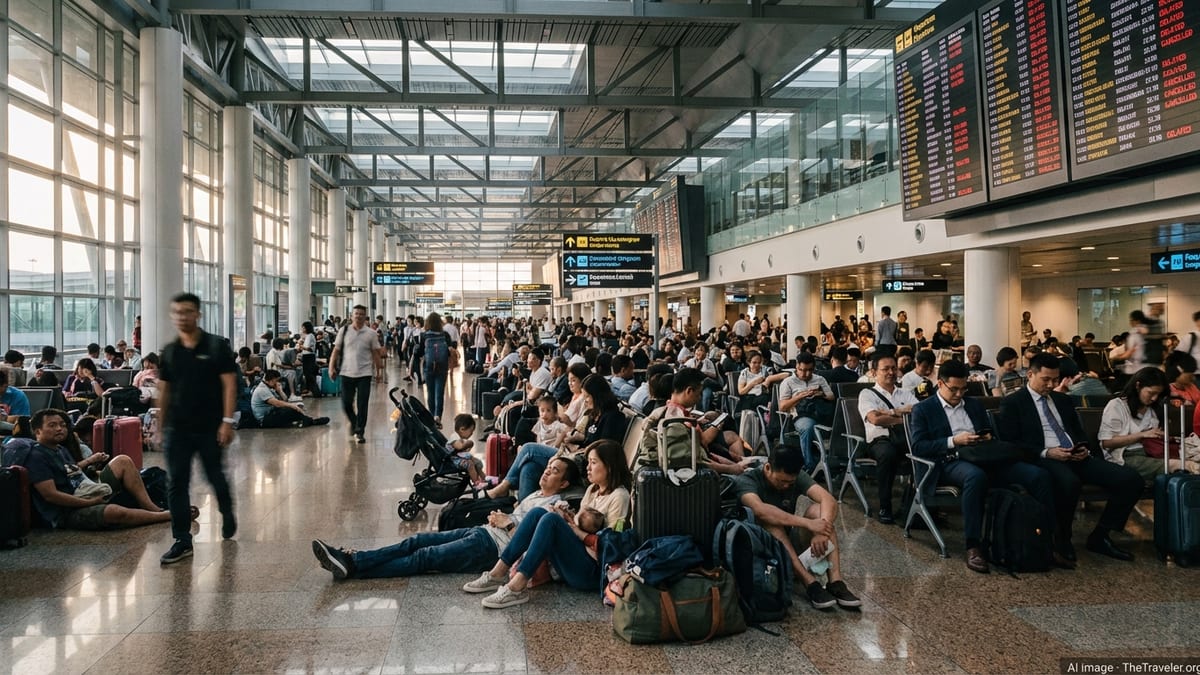
Airlines Cancel Hundreds of Flights as Storm Advances
Published information from regional carriers indicates that air travel is bearing the brunt of the disruption as Bavi tracks between Taiwan and Japan’s southwest islands toward China’s east coast. Operators serving Taiwan Taoyuan International Airport, Taipei Songshan and Kaohsiung have announced cancellations and schedule reductions for Friday and Saturday, with some carriers suspending most evening and overnight services on July 10 and 11.
In Japan’s Okinawa Prefecture, where Bavi has been designated Typhoon No. 9, domestic networks are also under pressure. Coverage from Japanese media shows that major airlines have canceled all flights to and from Miyako and Ishigaki airports on key days of the storm period, extending some suspensions into Saturday as forecasts point to prolonged strong winds and dangerous crosswinds on short island runways.
International connections across the region are being affected as well. Travel advisories issued by large global airlines highlight change-fee waivers for tickets involving northern Taiwan and parts of coastal China between July 9 and 12, allowing passengers to alter plans without penalties if their itineraries intersect Bavi’s projected path.
Travel forums and airline notices suggest that disruption is uneven, with some mainland hubs still operating reduced schedules while secondary and island airports experience near-total shutdowns for several operational windows. Passengers are being urged through public updates to track their booking status closely and prepare for rolling changes as the storm shifts.
Ferry Routes and Island Links Temporarily Shut Down
Maritime connections across the northwestern Pacific are seeing sweeping suspensions as authorities and operators respond to high seas and gale-force gusts generated by Typhoon No. 9. Reports from Okinawa indicate that many ferry services linking main islands to smaller outlying communities have been canceled, cutting off routine commuter and cargo links and forcing travelers to extend hotel stays.
In southern Japan, local newspapers describe the halting of long-distance ferries that run between Okinawa and Kyushu, as well as inter-island routes used by tourists visiting resort destinations at the height of the summer season. With wave heights expected to exceed safe operating thresholds, operators have withdrawn sailings for at least two consecutive days, with the prospect of further suspensions if swells remain elevated after Bavi passes.
Farther west, advisories focused on China’s southeast coast warn of possible closures of key straits and coastal passenger routes as the storm nears an expected landfall around July 12. Past experience with similar systems in the region suggests that short-notice shutdowns of roll-on/roll-off ferries and local sea buses are likely in exposed bays and harbors, prompting travel companies to pre-emptively adjust itineraries.
The suspension of sea travel is affecting not only leisure visitors but also residents who rely on ferries for essential trips between islands and the mainland. Local tourism operators note in public updates that some package tours including cruise segments or island-hopping excursions have been modified or partially refunded as operators prioritize safety.
Rail and Road Networks Brace for Weather Impacts
While the most immediate disruptions are in the air and at sea, land transport systems across affected regions are preparing for knock-on effects from heavy rain and strong winds. Forecasts from meteorological agencies indicate that outer rainbands of Bavi are likely to bring intense downpours to parts of Taiwan, Okinawa and eastern China, raising the risk of flash flooding and landslides along coastal and mountain routes.
Based on patterns seen in recent typhoon seasons, high-speed rail and conventional services near the projected landfall area in China may face temporary suspensions if wind speeds and precipitation exceed operational thresholds. Although detailed rail closures had not been widely reported by July 11, travel advisories circulating in the region recommend allowing extra time for long-distance journeys and anticipating last-minute timetable changes.
On roads, local authorities in low-lying and hillside areas are signaling the possibility of closures on sections vulnerable to debris flows, falling branches or urban flooding. Drivers are being advised in public bulletins to avoid nonessential travel during peak storm periods, especially on coastal highways and elevated bridges where crosswinds can be severe.
For travelers planning overland segments that connect with flights or ferries, the combination of potential road and rail interruptions adds another layer of uncertainty. Travel planners note that even where mainline services continue, onward connections may be disrupted by localized hazards, making flexible, re-routable itineraries particularly valuable.
Tour Operators, Hotels and Travelers Adjust Summer Plans
The timing of Typhoon No. 9’s arrival in early July is especially disruptive as it coincides with the start of peak summer holidays in East Asia. Tour companies using Japanese and Taiwanese gateways report through online notices that they have revised or canceled selected departures, especially those centered on Okinawa beach stays, island-hopping cruises and outdoor excursions in coastal Taiwan.
Some operators have shifted clients to mainland itineraries less exposed to storm impacts, while others are waiving change fees or offering credits for later departures once conditions stabilize. Package tours that rely on tight connections between flights, ferries and buses are proving particularly hard to maintain, leading agencies to encourage travelers to prioritize safety and accept simplified or shortened schedules.
Hotels in affected islands and coastal cities are seeing a mix of early checkouts, extended stays and same-day cancellations. Publicly available information from local tourism boards indicates that many properties are permitting flexible date changes for guests whose onward transport has been canceled. In resort areas, some hotels have closed facilities such as pools and beachfronts in anticipation of strong winds and storm surge.
Individual travelers are also adapting in real time, using airline apps and local news outlets to monitor changing conditions. Social media posts and community forums show visitors rearranging sightseeing plans around indoor activities, shifting travel days earlier or later where seats are available, and in some cases choosing to remain in place for an additional few days rather than risk traveling during the most intense conditions.
What Travelers Should Expect in the Coming Days
Forecast tracks from regional meteorological centers indicate that Typhoon No. 9 will continue to influence travel patterns across East Asia through at least July 13, even as the system weakens after landfall in China. Strong winds, residual swell and saturated ground conditions are likely to linger beyond the official end of storm warnings, prolonging the period of operational caution for transport providers.
Travel industry observers expect a rolling restart of services once Bavi moves inland, beginning with domestic flights at major hubs, followed by regional routes and, finally, more weather-sensitive island and ferry links. Backlogs may persist for several days as airlines and shipping companies reposition aircraft and vessels and work through queues of displaced passengers.
For travelers with imminent departures to or through Okinawa, Taiwan or China’s southeast coastline, the most recent advisories recommend monitoring airline and ferry operator announcements closely and maintaining flexible accommodation plans. Insurance policies that cover weather-related disruption may help offset additional hotel nights or rebooking costs, provided travelers keep documentation of cancellations and revised itineraries.
Even for those traveling later in July, the experience of Typhoon No. 9 is a reminder that the northwest Pacific typhoon season remains active throughout the summer and early autumn. Travel planners are encouraging visitors to build redundancy into their itineraries, allow extra connection time, and familiarize themselves with local shelter, transport and emergency guidance in case further storms develop along popular coastal routes.