


More news on this day
Morning commuters in central Sydney faced major disruption after the city’s CBD light rail network was temporarily suspended when two separate trams began emitting smoke within hours of each other.
Get the latest news straight to your inbox!
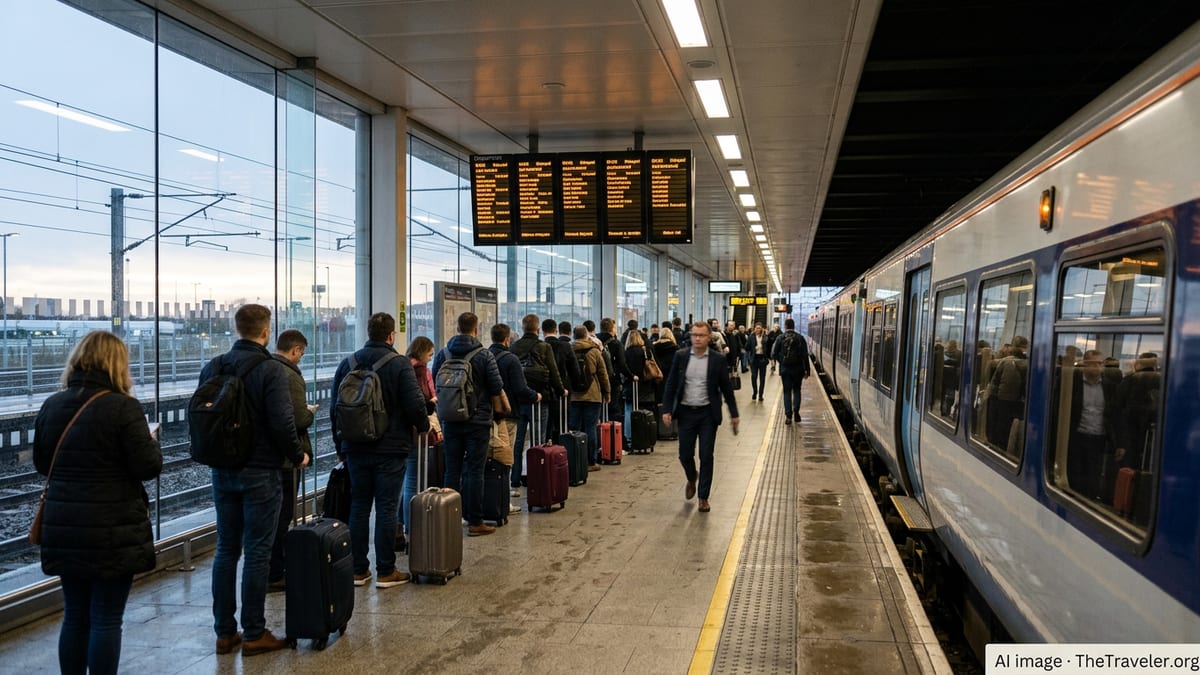
Two smoke incidents trigger full CBD light rail shutdown
According to published coverage and commuter reports, services on Sydney’s CBD light rail were brought to a standstill after one tram near the Queen Victoria Building and another in the Surry Hills area were seen spewing smoke on Saturday morning. Passengers were evacuated and services on the affected corridor were halted while inspection and recovery work took place.
Images and video shared publicly showed smoke rising from at least one tram, prompting concern among onlookers and leading to immediate operational checks. Reports indicate that no serious injuries were recorded, but several passengers experienced significant delays as vehicles were held in place and platforms quickly became crowded.
The disruption occurred during a busy period for the city’s transport network, with weekend trackwork already affecting parts of the heavy rail system. Many commuters who had been directed toward the light rail as an alternative found themselves stranded or forced to make last minute changes to their travel plans.
Transport information channels later advised that services would remain suspended on the central section of the route while technical teams assessed the cause of the smoke and ensured the fleet was safe to return to service.
Commuter frustration on a trackwork heavy weekend
Publicly available information shows that the light rail shutdown compounded an already challenging weekend for Sydney passengers, with maintenance and trackwork programs affecting multiple rail lines. The loss of CBD trams removed a key link between Central, Surry Hills and the George Street spine, pushing more people toward already busy buses and metro trains.
Social media posts from affected riders described packed platforms, long queues for replacement buses and crowded footpaths as people chose to walk between inner city precincts. Some passengers reported remaining on stationary trams for extended periods while staff awaited instructions on whether vehicles could continue or needed to offload and return to depots.
For visitors unfamiliar with the city’s transport network, the sudden loss of the easy to navigate light rail created additional confusion. Wayfinding staff and announcements attempted to redirect crowds toward nearby bus corridors and metro stations, but delays remained widespread for much of the morning.
Travel planners had previously promoted the light rail as a dependable fallback during planned train closures, so its absence during a major trackwork window drew particular frustration from regular users, who described the event as the latest in a series of reliability setbacks.
Safety focus after repeated smoke and fire reports
The latest outages follow a series of smoke related incidents reported on Sydney’s light rail network in recent months, including widely shared footage of a tram emitting smoke near the Queen Victoria Building in late June. While the circumstances of each event vary, the pattern has prompted growing public scrutiny of the system’s electrical and braking equipment.
According to published coverage and official documentation on rail safety, any visible smoke from rolling stock triggers conservative safety responses, including network suspensions and comprehensive inspections. Investigators typically examine components such as roof mounted electrical gear, pantographs, braking systems and cabling for signs of overheating or short circuits.
In Sydney’s case, previous analyses of light rail incidents have raised questions about asset maintenance regimes, procurement decisions and the complexity of integrating modern tram technology into a dense, mixed traffic city centre. The recent smoke events are likely to feed into broader reviews that are already examining rolling stock reliability and incident response procedures.
Public data suggests that while serious injuries on the light rail remain rare, the frequency of highly visible disruptions is eroding passenger confidence. Calls for transparent publication of investigation findings and clear timelines for remedial works are expected to intensify if similar events continue.
Knock on effects across Sydney’s wider transport network
The shutdown of CBD trams had ripple effects beyond the immediate corridor. With the light rail acting as a connector between major train hubs, the loss of this mode strained parallel routes and increased pressure on stations such as Central, Town Hall and Circular Quay.
Transport advisories directed passengers toward metro services and key bus corridors, but these alternatives carry finite capacity. Weekend visitors heading to shopping, entertainment and sporting districts reported longer journey times and complex transfers, particularly when moving between the eastern suburbs, the city centre and the inner west.
Travel behaviour data from previous Sydney disruptions indicates that episodes like Saturday’s often push some users back toward private cars and ride share, adding to road congestion in narrow CBD streets. Parking demand in central precincts typically rises when confidence in public transport reliability drops, presenting additional challenges for city management and event organisers.
For regional and interstate visitors arriving by heavy rail, the CBD light rail is marketed as a straightforward link to hotels and attractions. Its sudden suspension once again highlighted how closely Sydney’s tourism experience is tied to the performance of its public transport network.
Next steps for operators and passengers
Technical teams are expected to focus first on determining the precise source of the smoke on each affected tram, including whether the incidents share a common cause or involve separate component failures. Publicly available information suggests that such investigations typically result in detailed inspection programs across the wider fleet, temporary operating restrictions or accelerated maintenance schedules.
Published commentary on previous Sydney rail incidents indicates that regulators closely monitor patterns of equipment failure, particularly where there is any suggestion of fire risk. Findings can lead to mandatory modifications, updated driver instructions and changes to cleaning or repair procedures within depots.
For passengers, the immediate priority is the restoration of predictable services. Travel advisories recommend checking real time updates and planning additional journey time in the short term while confidence in the light rail’s performance is rebuilt. Commuters may also see more visible inspections at stops and on board as staff work to reassure the public that any underlying issues are being addressed.
The twin smoke incidents have again underlined the importance of resilience across Sydney’s transport system. With major events and infrastructure projects continuing to reshape how people move through the city, pressure is building on operators to deliver a light rail network that is both safe and consistently reliable during routine commutes and busy weekends alike.