


More news on this day
A Royal Caribbean cruise ship caught behind a powerful typhoon has been delayed for several days, causing a cascading disruption that shortens the vessel’s next scheduled sailing and leaves guests reshuffling travel plans at one of the busiest times of the year for cruising.
Get the latest news straight to your inbox!
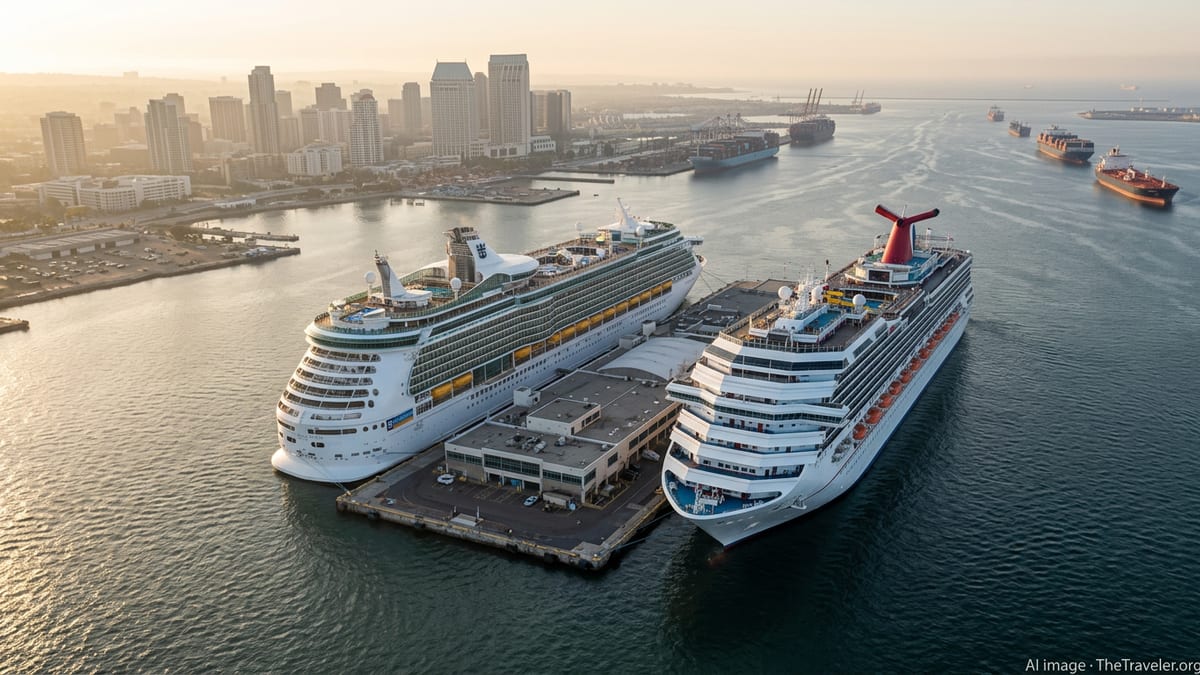
Storm Forces Extended Stay at Sea and Late Return to Port
Tracking data and multiple media and social media reports indicate that the Royal Caribbean ship altered its route to avoid the core of the typhoon, remaining at sea longer than planned and returning to its homeport several days behind schedule. The vessel reduced speed and adjusted its course to stay clear of the most hazardous winds and waves, a common strategy cruise lines use when navigating around severe tropical systems.
The delay meant that the ship’s original disembarkation day could not be met, with guests spending additional unplanned days on board while the company coordinated a safe window for reentry to port. While ports and cruise lines routinely prepare for storms during the annual typhoon and hurricane seasons, the precise track and intensity of individual systems can still prompt last minute changes that ripple through scheduled itineraries.
Publicly available information shows that as the typhoon moved across key sea lanes, port operations were limited, further constraining the options for an early arrival or a diversion. Many coastal facilities suspend or restrict cruise traffic during periods of sustained high winds or dangerous seas, slowing the process of clearing backlogs once conditions improve.
The combination of altered routing, restricted port access and safety-driven speed reductions ultimately extended the voyage by several days beyond its published schedule, affecting not only the guests already on board but also those booked on the ship’s next cruise.
Next Cruise Cut Short as Itinerary Compressed
Because the late return made it impossible to turn the ship around for a full-length voyage, Royal Caribbean’s next scheduled sailing on the vessel has been shortened. Industry practice in similar scenarios, as reflected in previous tropical weather disruptions, often involves trimming one or more days from the upcoming cruise, consolidating port calls or replacing them with additional sea time to maintain a workable schedule.
According to published coverage and guest communications shared online, the revised itinerary reduces the total number of days at sea and may drop or adjust certain port stops so that the ship can re-align with its broader deployment calendar. The cruise line must also account for pre-arranged berths at various ports, pilotage schedules and coordination with other ships using the same facilities.
Guests booked on the impacted voyage report receiving notifications outlining the new sailing dates, embarkation times and modified port schedule. While the full set of changes can vary by cabin category and booking channel, the overall impact is a shorter holiday than originally advertised, with less time available to explore destinations ashore.
Operationally, a compressed turnaround between cruises means onboard teams must complete complex logistics, including provisioning, fueling and technical inspections, in a shorter window once the ship reaches port. Cruise planners then need to adapt entertainment, dining and activity schedules to fit a reduced number of days on board.
Compensation, Credits and Guest Options
Royal Caribbean’s guest ticket contracts and booking conditions state that itineraries may be changed for reasons including weather and safety, and that the cruise line retains broad discretion to adjust ports, schedules or duration when conditions require it. In past cases where storms have shortened sailings, publicly available examples show that the company has at times offered prorated future cruise credits or partial refunds tied to the number of lost days, as well as the refund of unused port charges and taxes.
In the current disruption, travelers posting on cruise forums and social platforms describe offers that can include onboard credit, future cruise certificates or rebooking assistance, though the specific amounts and options may depend on the length of the reduction and the fare originally paid. Some guests may be able to shift to alternative sailings on the same ship or on other Royal Caribbean vessels if availability allows.
Travel insurance policies and credit card protections can also play a role in how individual passengers absorb added expenses such as changed flights, extra hotel nights or missed tours. Policy documents typically outline whether weather-related delays fall under covered reasons and what documentation is required for reimbursement.
Consumer advocates often recommend that affected travelers keep detailed records of additional costs, retain copies of cruise line communications and review fare and insurance terms to understand what compensation may apply in situations where a storm shortens or significantly alters a voyage.
Peak Season Travel Complicated by Active Storm Patterns
The disruption comes during a peak period for cruising in regions prone to tropical cyclones, when ships operate dense schedules and port calls are closely timed. Climate and weather specialists have noted that recent seasons in both the Atlantic and Pacific have produced multiple powerful storms, occasionally tracking near major homeports and heavily traveled cruise corridors.
Historical examples show that when a strong storm forces a port closure or restricts access, a single delayed ship can create a domino effect across multiple departures. Vessels may be held offshore, rerouted to secondary ports or required to wait for pilots and berths once operations resume. In some instances, cruises have been extended by a day or more, while subsequent sailings have been shortened, combined or fully canceled.
Travel industry analysts point out that while modern cruise ships are built to stringent safety standards and equipped with sophisticated weather-routing technology, schedules still intersect with evolving forecasts that can change rapidly. Adjustments are often made on relatively short notice as new track and intensity data become available.
For ports and local tourism providers, a delayed arrival or reduced call can mean fewer passengers visiting attractions, restaurants and shops. Conversely, extended stays at sea may increase onboard spending, from specialty dining to spa services, as guests look for ways to fill additional days on the ship.
What Future Passengers Should Know About Weather Risks
Travel planners note that the latest disruption underscores how tropical weather can affect even well-established itineraries on large, modern ships. Prospective cruisers sailing during typhoon or hurricane seasons are often encouraged to build flexibility into their plans, allowing for potential changes to flights, pre-cruise stays and post-cruise arrangements.
Reviewing cruise documentation in advance can help passengers understand how lines handle itinerary changes, including whether compensation is offered for shortened voyages versus missed ports, and how adjustments are calculated. Some policies distinguish between a change in route with the same number of days at sea and a reduction in total cruise length.
Experienced travelers also highlight the value of monitoring official storm forecasts in the week before departure and keeping contact details current with the cruise line or travel advisor. That can help ensure that any last minute updates about boarding times, terminal changes or revised itineraries are received quickly.
While most cruises proceed largely as scheduled, episodes such as this typhoon-related delay illustrate that voyages remain subject to the forces of weather. For Royal Caribbean guests on both the extended and shortened sailings, the experience provides a reminder that even the most carefully planned cruise can be reshaped by a powerful storm system.