


More news on this day
Passengers flying from the UAE on August 27, 2026 face a patchwork of schedule changes, rerouted services and longer journey times as regional tensions and evolving airspace advisories continue to affect how Emirates, Etihad Airways, flydubai and Air Arabia operate their networks.
Get the latest news straight to your inbox!
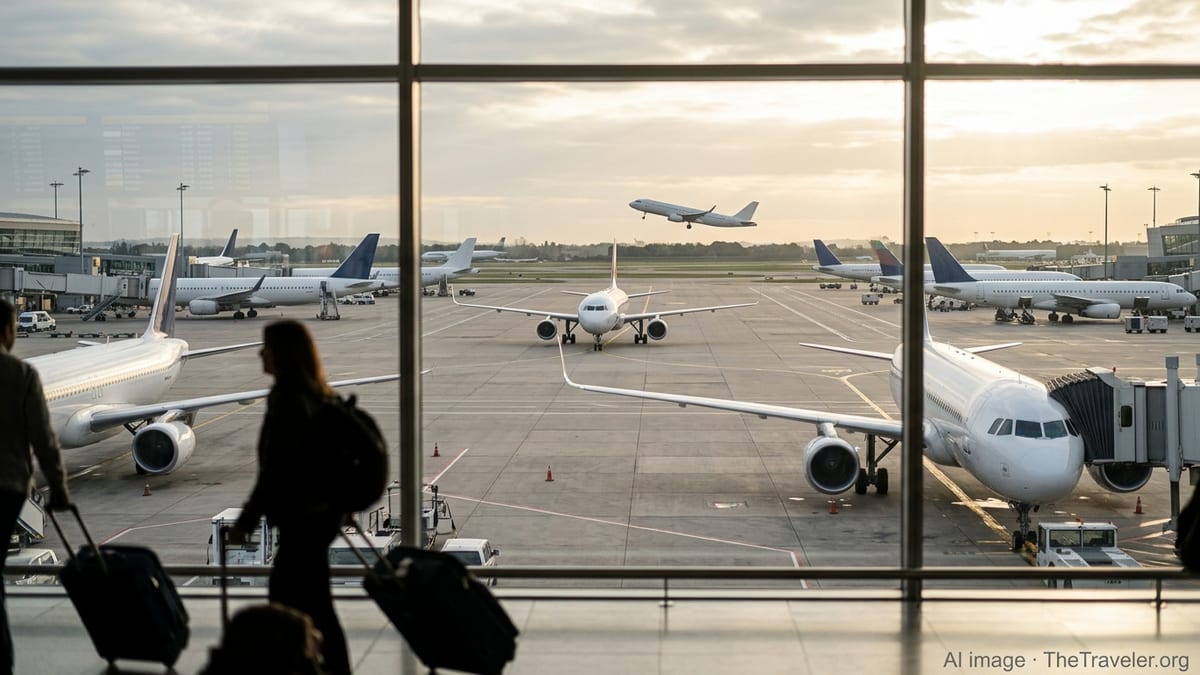
Regional tensions keep Middle East skies under pressure
The broader security backdrop remains volatile, with heightened tensions across the Middle East and ongoing conflict involving Iran and key maritime routes. A recent global security alert highlighted the potential for sudden airspace closures, flight cancellations and last minute schedule adjustments across the region, urging travelers to remain prepared for disruption when transiting Middle Eastern hubs.
Publicly available guidance for travelers notes that airlines serving the region may need to postpone the restoration of full schedules or cancel selected routes at short notice when airspace risks rise. Travelers are urged to monitor airline channels closely and build flexibility into their plans, particularly when connecting through Gulf gateways such as Dubai and Abu Dhabi.
Separate travel advisories for the United Arab Emirates reiterate that airspace in and around the country is subject to additional safety notices. Aviation safety regulators in Europe have extended warnings for carriers operating over several Gulf states, including the UAE, advising caution and in some cases recommending the avoidance of certain flight levels or routings over nearby territories, which can lengthen flight times or require detours.
Diplomatic statements from regional governments in recent days have called for de escalation and warned that renewed military activity in neighboring states could threaten wider stability. Those messages underline why airlines are still planning around a fluid environment, even as most airports in the UAE remain fully open and functioning.
Emirates: reduced schedule on some routes and ongoing rerouting
Dubai based Emirates continues to operate the bulk of its global network, but its schedule remains more constrained than in previous summers due to a combination of regional airspace restrictions and other operational factors. Travel trade bulletins circulated in recent months describe a period of limited operations following partial reopening of certain Middle Eastern airspace, with a reduced schedule and detailed disruption policies issued for cancelled or rerouted services.
Information shared with travel agents earlier this year outlined how some Emirates flights were cancelled over a defined period in April 2026, with flexible rebooking and refund options for affected passengers. While those specific dates have passed, it illustrates how the airline has been adjusting capacity in response to changing overflight permissions and risk assessments, rather than running its pre conflict timetable in full.
Emirates has also dealt with more routine operational challenges such as extreme weather. In early August, the carrier rescheduled several flights between Dubai and Shanghai and Hangzhou due to Typhoon Dolphin, advising passengers to check their flight status regularly in case of further delays. This approach has become standard across the network, with travelers encouraged to rely on real time tools rather than printed or historic schedules.
Today, most long haul services are operating, but routings can be less direct than in previous years. Where specific airspaces remain subject to restrictions, flights may be lengthened by diversions around sensitive areas, affecting arrival times and onward connections. Passengers departing Dubai are therefore advised to allow more time between flights and to keep an eye on status updates up to the moment they leave for the airport.
Etihad Airways: network operating with selective adjustments
In Abu Dhabi, Etihad Airways continues to grow its network even as it navigates the same regional realities. The airline has recently added new destinations, including fresh European connections from its Abu Dhabi hub, and schedule data shows services such as Abu Dhabi to Madrid operating in late August with typical block times despite the need for occasional rerouting on certain days.
Analysts note that Etihad, like its peers, has focused on maintaining reliability on core routes while fine tuning timings and routings in line with changing advisories. Flight tracking records for long haul services through mid August indicate that the carrier has been able to operate key intercontinental sectors broadly on schedule, although flight paths sometimes reflect the avoidance of specific conflict-adjacent corridors.
Regional flying is more sensitive to airspace developments, and Etihad has periodically adjusted timings or aircraft types on shorter routes to neighboring countries, especially where overflight permissions or security assessments have changed. Publicly available timetables are updated frequently, so passengers booking or flying today may see slightly different timings compared with what was loaded even a few weeks ago.
For travelers leaving the UAE via Abu Dhabi, the practical message is similar to Dubai: check in online where possible, monitor your booking through the airline’s website or app, and watch for schedule-change notifications in the hours leading up to departure.
flydubai: limited operations and longer routings across parts of the network
Dubai based low cost carrier flydubai has issued multiple operational updates during 2026, reflecting how acutely a regional airline with a dense Middle Eastern network feels the impact of airspace changes. Public updates describe the carrier as operating with a reduced schedule across its network at times this year, with flight durations and transit times in Dubai reported as longer than usual because of temporary rerouting of certain flight paths.
In its most recent travel updates, flydubai encourages passengers to regularly check both its flight status tool and an operational updates page before heading to the airport. The airline notes that it continues to monitor the regional situation in real time and may adjust flight paths or schedules accordingly, emphasizing that customer contact details should be kept up to date so that notifications reach passengers promptly.
Despite the challenges, flight history data for late August shows flydubai operating a broad spread of services from Dubai to regional destinations such as Baku, with flights departing and arriving close to their scheduled times. This suggests that while the carrier is still adapting to a tighter and more complex airspace picture, day to day operations for many passengers are proceeding with manageable delays rather than widespread cancellations.
Those flying today on flydubai are advised to arrive at the airport early, complete online check in where available and expect potential changes to gate assignments or departure times as the airline fine tunes routings around affected areas.
Air Arabia: budget routes continue with added focus on flexibility
Sharjah headquartered Air Arabia, along with its joint venture affiliates in Abu Dhabi and elsewhere, continues to position itself as a budget friendly option for travelers moving between the UAE, the wider Middle East and beyond. Financial statements and network updates released earlier this year highlighted strong demand and ongoing expansion, even against a backdrop of geopolitical uncertainty.
Air Arabia’s booking platforms show normal availability on a wide variety of routes for late August and the months ahead, including services linking Abu Dhabi and other Gulf points with cities across the Levant, North Africa, Europe and the Indian subcontinent. Promotional fares remain on offer, indicating that the airline is still actively stimulating demand despite the more complex operating environment.
At the same time, travel advisories and independent reporting on the wider regional situation underline that any carrier operating dense frequencies into and over conflict-adjacent airspace must be prepared to reroute or reschedule flights. Passengers using Air Arabia today are therefore encouraged to build flexibility into their plans and to keep a close watch on email and SMS notifications, especially if their itinerary includes multiple sectors or tight connections.
For many travelers, the combination of competitive fares and robust communication channels continues to make Air Arabia an attractive choice, provided they remain alert to the possibility of same day adjustments triggered by changing conditions along the planned route.
What UAE passengers should do before heading to the airport
For anyone flying from the UAE today with Emirates, Etihad, flydubai or Air Arabia, the most reliable information will be found on official airline channels and real time flight tracking platforms. Each of the four carriers offers flight status tools on their websites or apps, allowing passengers to search by route or flight number and see the latest departure and arrival estimates.
Travel advisories published by foreign ministries and aviation regulators stress that travelers should verify that their flights are still scheduled before leaving for the airport, particularly when transiting through or over areas affected by regional tensions. This is especially important for multi segment itineraries where a delay on the first leg could jeopardize onward connections or require rebooking.
Practical steps include confirming that contact details are correct in your booking, checking for notifications in the 24 hours before departure, and allowing extra time for security, check in and border formalities. With some routings now longer due to detours around sensitive airspace, travelers may also wish to factor in additional buffer time at their final destination for ground transport or onward plans.
While the overall message is one of caution, the picture at UAE airports remains one of busy terminals and largely functioning schedules. For most passengers, a combination of preparation, flexibility and close attention to updates should be enough to navigate flights from the UAE safely and with only modest disruption.
Sources: Condé Nast Traveller Middle East coverage of regional flight disruptions; US worldwide caution and Middle East security alert; flydubai operational updates and travel advisory; Khaleej Times report on recent Emirates schedule changes; Air Arabia network and booking information