


More news on this day
Governments have updated travel advisories for the United Arab Emirates in October 2026, urging visitors to weigh regional security risks, strict local laws and intense weather conditions against the country’s reputation for low crime and modern tourism infrastructure.
Get the latest news straight to your inbox!
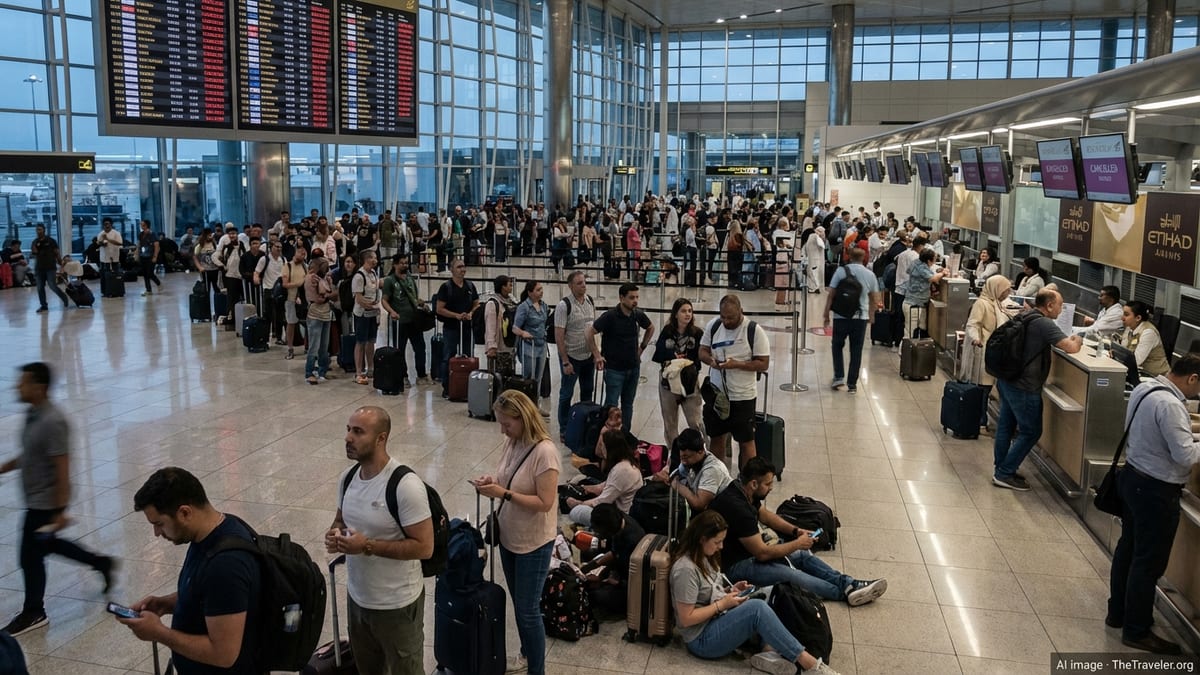
Heightened Advisories Focus on Terrorism and Regional Conflict
In late October 2026, the United States raised its advisory for the United Arab Emirates to “Level 3: Reconsider travel,” citing risks linked to terrorism and armed conflict in the wider Gulf region. Public information highlights concerns about potential attacks affecting transportation hubs, tourist areas, places of worship and locations associated with Israeli and Jewish communities. Recent guidance also notes an aviation safety notice covering the Persian Gulf and Gulf of Oman, reflecting broader security considerations for civil aviation in the area.
Other governments, including the United Kingdom, Canada and Australia, advise travellers to exercise a high degree of caution rather than avoid travel outright. Updated notices in October 2026 reference recent strikes and retaliatory attacks elsewhere in the Middle East and warn that further escalation could affect flight schedules, airspace access and onward travel. Travellers are encouraged to maintain flexible itineraries and to be prepared for last minute changes to routes or connections.
While the UAE itself has not reported large-scale recent attacks on tourist areas, official advisories stress that incidents in 2022 and subsequent regional hostilities show the potential for rapid change. Travellers are urged to closely monitor local and international news before and during trips, remain aware of their surroundings in crowded locations and avoid sensitive sites such as military facilities or critical energy infrastructure.
Despite the higher alert language from some countries, tourism and business travel to Dubai, Abu Dhabi and other emirates continue, with visitor numbers supported by major airlines and extensive hotel capacity. Publicly available materials from national tourism boards continue to promote the UAE as a leading destination, while noting that security advice may evolve quickly as the regional situation develops.
Entry Rules, Visas and Health Requirements
Current guidance indicates that most short-stay visitors arriving in the UAE for tourism must hold a passport valid for at least six months beyond the date of entry. Sources note that the UAE does not accept limited-page emergency passports for entry, and travellers with such documents may be refused boarding by airlines. Travellers are advised to check passport validity carefully before departure and to confirm any visa-on-arrival eligibility directly with airline or consular resources, as visa rules vary by nationality.
Public health measures specific to COVID-19 have largely been rolled back. Airlines serving Dubai report that, since November 2022, passengers flying to or through the city have no requirement to present vaccination certificates or negative PCR test results, although rules in countries of departure or onward travel may differ. Nonetheless, travellers are encouraged to confirm airline and transit requirements shortly before flying, as health regulations can change with limited notice.
Several foreign ministries warn that certain prescription and over-the-counter medicines commonly used in North America and Europe are classified as controlled substances in the UAE. Pain medications containing codeine and some psychiatric drugs may require prior approval from the UAE Ministry of Health and supporting medical documentation. Reports indicate that travellers who arrive without the correct permits risk confiscation of medication, fines or detention. Travellers with regular prescriptions are therefore advised to obtain up-to-date information from official health or embassy channels before carrying medicine into the country.
Basic healthcare provision for visitors is generally considered good in major cities such as Dubai and Abu Dhabi, but foreign governments underline that hospitals expect proof of insurance or payment guarantees. Travel insurance that includes comprehensive medical coverage, emergency evacuation and explicit cover for regions with elevated security advisories is recommended, particularly in light of the Level 3 notice now issued by the United States.
Local Laws, Customs and Conduct
Foreign travel advisories consistently describe the UAE as a jurisdiction with strict legal codes and limited tolerance for behaviour that may be considered minor infractions in other destinations. Homosexual activity, sex outside marriage and adultery are illegal, with potential jail terms. Since late 2022, foreign legal analyses indicate that prosecution in consensual extra-marital relationships typically follows a complaint from a spouse or male guardian, but travellers are warned that penalties remain severe in cases that proceed.
Alcohol consumption is tightly regulated. Federal reforms decriminalised alcohol use for adults, but each emirate sets its own rules. Guidance from several governments stresses that being drunk in public remains an offence and that arrests have included passengers transiting through UAE airports. Consumption is generally limited to private homes and licensed venues such as hotel bars and restaurants, while the emirate of Sharjah maintains a broad ban on alcohol sales. Visitors planning to buy alcohol in shops in Dubai are advised that local systems may still require a licence or registration.
Drug laws are described in multiple advisories as among the most stringent in the world. Possession of even trace amounts of illegal substances can lead to long prison sentences or, in certain serious cases, the possibility of capital punishment. Travellers can face prosecution if medical screening during residency procedures detects prohibited substances in blood or urine, regardless of where consumption occurred. Public documents also note that vaping products and e-cigarettes may be subject to restrictions in some circumstances, and travellers are urged to confirm current rules on import and use of such devices.
Respect for local culture and religion is emphasised across official advice. During Ramadan, eating, drinking or smoking in public during daylight hours can attract legal penalties in some circumstances, and visitors are encouraged to dress conservatively in traditional neighbourhoods, government buildings and places of worship. Online behaviour is also covered by cybercrime legislation, with penalties reported for social media posts considered defamatory, insulting or culturally insensitive, including criticism of the UAE, its leadership or religious symbols.
Personal Safety, Crime and Transport
Despite the elevated travel advisories, available data and official commentary continue to describe the UAE as having one of the lowest recorded crime rates globally. Government travel pages for several countries state that violent crime affecting tourists is rare, although opportunistic theft can occur. Travellers are nevertheless advised to safeguard passports, electronics and valuables, particularly in crowded areas such as malls, souks and metro stations.
Road safety remains a key concern in foreign travel advice. Excessive speed, abrupt lane changes and tailgating are cited as common issues on highways linking emirates. Some governments recommend that visitors avoid long-distance driving at night, particularly outside major urban areas, and suggest using reputable taxi firms or app-based ride services instead. Off-road driving in desert areas is not recommended without experienced guides, appropriate vehicles and adequate supplies of water and fuel.
Public transportation in Dubai and Abu Dhabi is described as modern and extensive, with metro, tram and bus networks supplemented by licensed taxis. Official materials indicate that both cities have invested heavily in surveillance and policing around transport hubs, contributing to their reputation for safety. Nonetheless, travellers are urged to pay attention to signage, respect segregated carriages where present and remain alert to announcements concerning security incidents or weather-related disruptions.
Heat is repeatedly identified as a significant hazard, particularly from June to September, when temperatures regularly exceed 40 degrees Celsius and humidity is high in coastal areas. Foreign ministries highlight risks of heat exhaustion and dehydration, especially for children, older travellers and those with underlying health conditions. Advisories recommend limiting strenuous outdoor activity during the hottest hours, using high-factor sun protection and ensuring ready access to drinking water.
Practical Precautions for Prospective Visitors
Given the evolving security environment, governments encourage travellers considering trips to the UAE to closely review the latest advisories from their own country before booking. Some insurers now apply special conditions or exclusions where an official notice reaches “reconsider travel” or similar levels. Prospective visitors are therefore advised to confirm that any travel policy explicitly covers the UAE under current circumstances, including cancellations prompted by a sudden deterioration in regional security.
Travellers planning multi-stop itineraries that combine the UAE with nearby countries are advised to pay particular attention to airspace restrictions and route changes. Aviation notices covering the Gulf region can lead to last minute adjustments by airlines, including diversions, extended flight times or, in some cases, temporary suspension of specific routes. Building extra time into connections and monitoring airline notifications is recommended.
Visitors who do choose to travel are advised to keep copies of passports and visas separate from original documents, register with consular services where available and share up-to-date itineraries and contact details with family or friends. Open-source guidance also suggests saving local emergency numbers and the contact details of one’s embassy or consulate in the UAE in case of accidents, legal difficulties or sudden changes to the security picture.
While the UAE continues to market itself as a secure, high-end destination, the convergence of regional tensions, strict domestic laws and demanding climate conditions means that prospective travellers in late 2026 face a more complex risk landscape than in previous years. Careful preparation, attention to official advice and respect for local regulations are central themes across current public guidance.