


More news on this day
The United Kingdom has removed its most restrictive “do not travel” guidance for Dubai and a number of Middle Eastern destinations, easing months of disruption for British holidaymakers and the aviation industry as updated travel advice signals a cautiously improved risk outlook across parts of the region.
Get the latest news straight to your inbox!
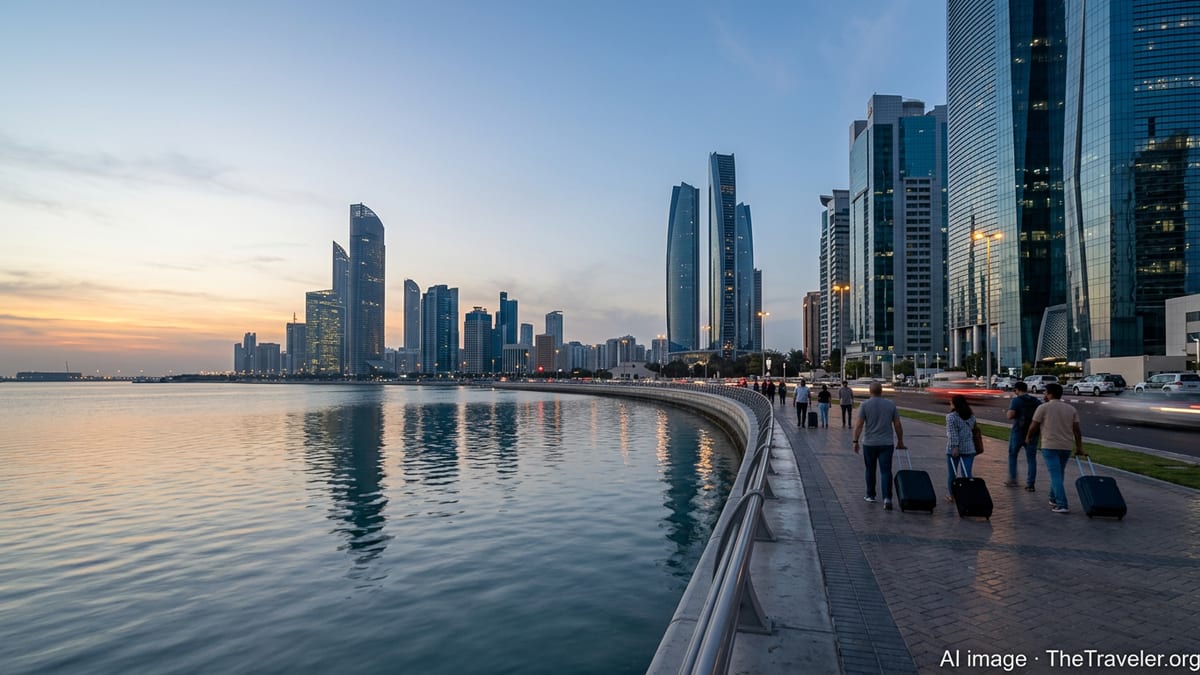
Shift in UK policy for Dubai and neighbouring Gulf states
Public travel advice from the Foreign, Commonwealth and Development Office now indicates that the United Arab Emirates, including Dubai, is no longer subject to guidance against all but essential travel. The change follows a period in which the UK raised its alerts to the highest level for several Middle Eastern countries in response to missile activity, regional tensions and concern about potential strikes on Western-linked targets.
Reports indicate that the easing does not amount to a full return to pre-crisis conditions. The language used for the UAE and other affected destinations continues to highlight the possibility of rapid change and encourages travellers to stay alert to the broader security environment. However, the removal of blanket “do not travel” wording marks a significant shift in tone compared with the emergency messaging that had been in place earlier in the year.
According to published coverage, similar changes have been applied to a cluster of Gulf nations that share air corridors and transit links with Dubai. Travel advice has been softened for destinations such as Qatar, Bahrain, Kuwait and Oman, which had previously faced tighter restrictions amid concern over spillover from conflict elsewhere in the region.
The updated guidance reflects a broader reassessment of risk following diplomatic moves that have reduced the immediate likelihood of large-scale attacks on key transport hubs. Publicly available information suggests that policymakers are now seeking to balance ongoing security concerns with the economic importance of maintaining connectivity between the UK and the Gulf.
What changes for insurance, tour operators and airlines
The downgrading of the UK warning for Dubai and several Gulf states is expected to have a direct impact on travel insurance, which often excludes cover when a destination is under “do not travel” or “all but essential travel” advice. With that highest tier of guidance removed, standard policies are more likely to provide medical, cancellation and disruption cover for trips to newly reclassified destinations, subject to individual terms and conditions.
Industry analyses indicate that tour operators and travel agents had seen a sharp drop in new bookings to Dubai and neighbouring hubs while the strongest warnings were in place. Many customers either postponed travel or re-routed through alternative airports in Europe and Asia to avoid transiting the Gulf. The latest adjustment in advice is expected to unlock pent-up demand as UK travellers reconsider winter sun escapes and long-haul itineraries built around Dubai stopovers.
Airlines that rely on Gulf hubs for connecting traffic between the UK and Asia, Africa and Oceania are also poised to benefit. Carrier schedules had remained partially intact during the period of heightened tension, but forward bookings were reportedly weaker and some passengers sought to avoid particular routings. With official guidance now less severe, aviation analysts expect carriers to step up marketing of Dubai and other Gulf gateways, while keeping contingency plans in place in case the regional situation deteriorates again.
Travel companies are nevertheless signalling that flexibility will remain a priority. Many package providers and airlines are continuing to offer free date changes or credits for affected routes, recognising that some travellers may remain cautious about committing to trips involving the wider Middle East, even as formal restrictions ease.
Destinations still facing tight UK travel advisories
While Dubai and several Gulf states have seen their status improved, other parts of the Middle East remain subject to stringent UK travel advice. Publicly available government pages continue to highlight very high levels of risk in countries including Iran, Iraq, Syria and Yemen, as well as in parts of Lebanon and certain border regions of other states.
Reports on the latest advisory changes note that Saudi Arabia remains under more complex guidance than some of its Gulf neighbours, with stronger cautions applied to specific provinces that were previously covered by broader “all but essential travel” notices. Areas closer to ongoing conflict zones are still flagged as locations where security conditions can deteriorate quickly and where consular assistance may be limited.
Israel, the Palestinian territories and parts of Jordan also continue to appear prominently in the UK’s warning lists. While the wording and level of advice differ between locations, travellers are urged in public guidance to pay close attention to local developments, avoid border areas subject to military activity and be aware of restrictions that can be imposed with little notice, including curfews, airspace closures and the suspension of commercial flights.
The contrast between destinations where advice has eased and those where it remains severe underlines the fragmented nature of the regional security picture. For British travellers, this means that route planning can be complicated, as itineraries that combine relatively low-risk hubs with higher-risk neighbouring countries may still be subject to insurance restrictions and operational uncertainty.
Implications for British holidaymakers and business travellers
For UK residents considering a return to Dubai and other Gulf cities, the downgrading of travel warnings provides a measure of reassurance, particularly for holidaymakers who depend on mainstream tour operators and standard insurance policies. Dubai’s popularity as a winter-sun destination, cruise port and stopover hub had made the previous level of advice especially disruptive for families and leisure travellers, many of whom opted to switch to Mediterranean or Indian Ocean alternatives.
Business travellers are also expected to respond to the updated guidance, especially those whose employers link corporate travel policies to official advisories. Some companies had introduced temporary restrictions on staff trips to the Gulf while “do not travel” or “all but essential travel” notices were in force, affecting meetings, conferences and trade events hosted in Dubai and other regional centres.
Nevertheless, publicly available commentary suggests that many organisations will continue to apply additional internal risk assessments when approving travel to the Middle East. Factors such as the proximity of meetings to sensitive infrastructure, the availability of alternative routes and the resilience of local health and emergency services are likely to feature more prominently than before the recent wave of tensions.
Independent travellers may find that the easing of advice opens up a wider range of options for multi-stop itineraries that use Dubai as a gateway to destinations in South and Southeast Asia. However, consumer groups continue to recommend that travellers check policy documents carefully, as some insurers retain exclusions related to war, terrorism or civil unrest even when government guidance has been softened.
What travellers should monitor in the weeks ahead
Despite the more permissive stance on Dubai and several Gulf states, the UK’s travel advice continues to stress that the regional situation remains fluid. Public information from government and industry sources alike emphasises that missile launches, drone activity or sudden escalations in nearby conflicts could lead to rapid changes in airspace access, airline operations and security procedures at short notice.
Travel experts recommend that passengers monitor airline communications closely in the run-up to departure, as carriers may adjust schedules or re-route flights in response to evolving risk assessments, even absent fresh government restrictions. Flexible booking options and up-to-date contact details are widely viewed as essential tools for managing potential disruption.
Prospective visitors are also being encouraged by consumer advocates to review entry requirements and local regulations for the UAE and neighbouring states. Although the principal changes relate to UK-origin travel advice, rules on visas, health documentation and security screening remain the responsibility of destination governments and can differ from one country to another within the Gulf.
For now, the lifting of the UK’s “do not travel” warnings for Dubai and selected Middle Eastern countries represents a notable opening for both leisure and business travel. The development offers fresh momentum to one of the world’s busiest aviation corridors, even as travellers, insurers and airlines continue to navigate the underlying uncertainties of a region where conditions can shift quickly.