


More news on this day
The United Kingdom has removed its strictest travel warning for the United Arab Emirates and several other Gulf states, a shift that is expected to restart key flight corridors and unlock travel insurance coverage that had been frozen during months of heightened regional tension.
Get the latest news straight to your inbox!
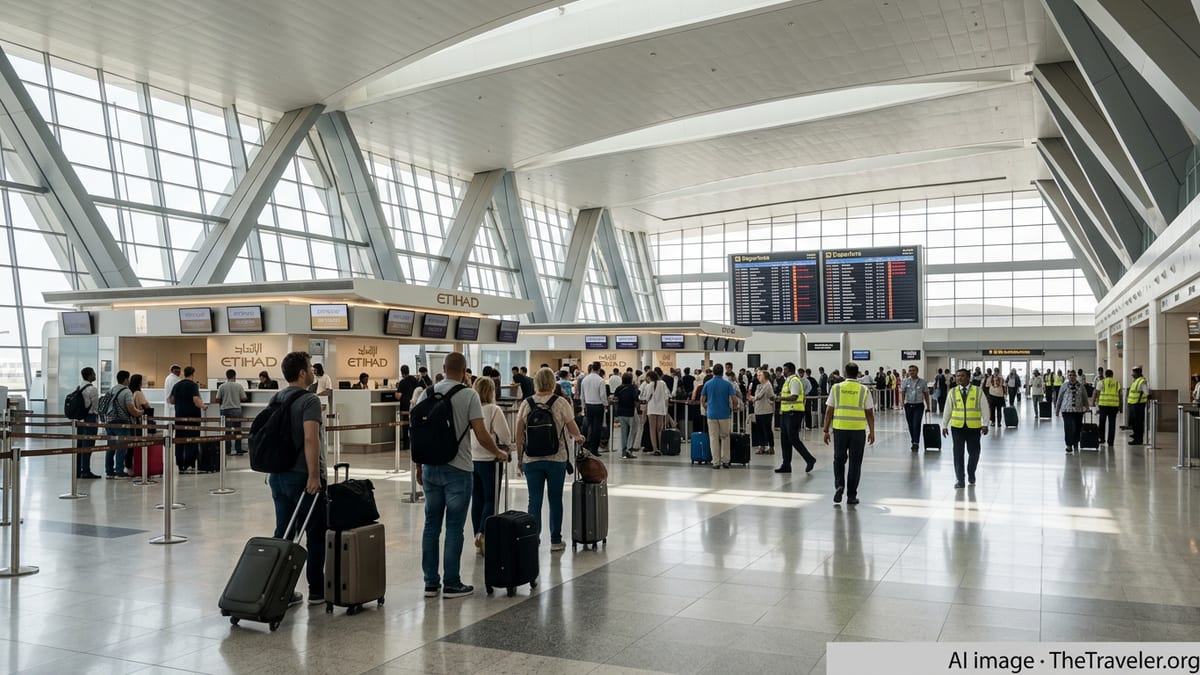
From blanket warning to graded advice
According to recent coverage of UK foreign travel advice, the previous blanket instruction not to travel to Gulf hubs such as Dubai and Abu Dhabi has been withdrawn and replaced with more targeted, risk-based language. The change follows a broader easing of government guidance on transit through the region after signs of de-escalation in the latest Middle East crisis.
The move brings the United Kingdom into line with a trend already visible in other long-haul markets. In Australia, for example, the government recently lifted a months-long do-not-travel warning on major Gulf transit hubs, a decision that had previously rendered most travel insurance policies invalid for itineraries routing through the area. The UK adjustment now sends a similar signal that routine travel can cautiously resume, even as security assessments remain under regular review.
Published summaries of the Foreign, Commonwealth and Development Office position indicate that the United Arab Emirates, Qatar, Bahrain, Kuwait and other Gulf states are no longer grouped under a single, blanket prohibition. Instead, advice now distinguishes between areas directly affected by recent hostilities and the heavily managed aviation hubs that connect Europe with Asia, Africa and Australasia.
While the strongest warning has been lifted, the UK government still highlights the possibility of sudden disruption, missile or drone incidents, and restrictions on airspace should tensions flare again. Travellers are advised via public guidance to keep monitoring official updates in the days before departure and throughout their trip.
Impact on airlines, insurance and booking confidence
For airlines based in the Gulf, the easing of UK travel advice represents a critical step toward rebuilding long-haul networks. Industry commentary notes that carriers linking Europe and the UK with Asia and Australia via Dubai, Abu Dhabi and Doha had seen demand slump when European and Australian governments issued their highest warnings for the region. With that highest tier now removed by the UK, analysts expect a gradual return of connecting traffic.
Insurance has been a central concern for travellers throughout the crisis. Many policies automatically exclude cover when a destination is subject to a do-not-travel advisory, leaving customers reluctant to book even if some flights were still operating. Travel trade reports indicate that once such blanket warnings are downgraded to more moderate risk levels, underwriters often reinstate medical, cancellation and disruption coverage, albeit sometimes with exclusions linked to conflict-related events.
Early reactions from the travel industry suggest that UK holidaymakers are already re-examining plans to route to destinations such as Thailand, the Maldives and parts of East Africa via Gulf hubs. Tour operators describe a cautious but noticeable rise in inquiries about itineraries that had been put on hold, with many travellers weighing cheaper fares and shorter journey times against lingering concerns about regional security.
Nevertheless, booking patterns are expected to remain volatile. Some customers are likely to continue favouring non-Gulf connections where possible, particularly for family travel, until a longer period of stability has been observed. Others may proceed with Gulf routings but choose flexible tickets and comprehensive insurance in case of fresh disruption.
Regional context and remaining risks
The UK decision comes against a backdrop of evolving travel advisories from other Western governments. Publicly available US guidance, for instance, continues to warn against travel to countries such as Iran, Iraq, Syria and Yemen at the highest level, while assigning a lower, reconsider-travel category to a number of Gulf states, including the UAE, Qatar and Saudi Arabia. That distinction reflects an effort to separate active conflict zones from relatively stable, though still exposed, neighbours.
Risk assessments compiled from multiple government sources over recent months have consistently highlighted the Gulf’s strategic role in any regional confrontation, with particular attention to potential threats to energy infrastructure, maritime routes and aviation. Temporary closures of airspace, diversions around the Strait of Hormuz and short-notice suspensions of flights have all been recorded since the latest escalation began.
Specialist travel risk consultancies note that major Gulf airports are designed with extensive security and contingency planning. However, they also underline that even limited incidents, such as intercepted projectiles or electronic interference with navigation systems, can trigger wider operational knock-on effects that leave passengers stranded far from home. For that reason, current advice continues to emphasise itinerary flexibility and close tracking of airline communications.
In practice, this means travellers using Gulf hubs should be prepared for schedule changes, extended layovers or alternative routings at short notice. Public information also stresses the importance of observing local regulations in the UAE and neighbouring states, which are often stricter than in the UK on matters such as public conduct, alcohol, online speech and prescription medications.
What the change means for UK travellers
For UK residents with existing bookings through Dubai, Abu Dhabi, Doha or other Gulf gateways, the withdrawal of the do-not-travel warning offers clarity after a period of uncertainty. Many who had hesitated to pay balances or finalise complex itineraries now have a clearer basis for decision-making, especially if their insurers confirm that standard cover has been restored.
Travel experts recommend that passengers first check the latest version of the UK foreign travel advice for their destination and any transit countries, then consult airlines or tour operators about flexible options. In cases where airlines had previously offered rebooking or refunds during the height of the crisis, policies may now be tightening as normal commercial conditions gradually resume.
Prospective travellers are also being encouraged, through public-facing guidance, to register contact details with their travel providers and to keep digital copies of key documents, including passports, insurance certificates and booking confirmations. This can speed assistance if an itinerary is suddenly altered by events beyond the control of airlines or passengers.
For those still uneasy about transiting the Gulf, alternatives remain available, including routings via North America, central Europe or Asia. These typically involve longer travel times and higher fares, but may be preferred by travellers who prioritise perceived safety margins over cost or convenience.
Tourism outlook for the UAE and Gulf hubs
The lifting of the UK’s strictest warning is expected to support a gradual tourism recovery in the UAE and neighbouring Gulf states, where visitor numbers had been hit by a combination of conflict-related advisories and airspace disruptions. Dubai and Abu Dhabi, in particular, rely heavily on their status as global connection points as well as destinations in their own right.
Industry briefings point out that hotel pipelines, major attraction projects and events calendars in the UAE have largely remained in place despite recent turbulence, reflecting confidence in the long-term appeal of the market. As flight schedules stabilise and insurance barriers fall, these investments are likely to play a key role in luring back both leisure and business travellers from the UK and beyond.
At the same time, observers caution that the region is unlikely to return to pre-crisis normality overnight. Airlines may prioritise restoring the most profitable routes first, leaving some secondary UK cities with reduced frequencies or seasonal services for a time. Traveller sentiment, shaped by months of prominent warnings, may also lag behind official policy shifts.
For now, the UK’s recalibrated stance signals a new phase rather than a complete end to uncertainty. The removal of the do-not-travel label for the UAE and other Gulf hubs marks a significant easing of restrictions for British holidaymakers and the travel industry, but the situation will remain closely watched by governments, carriers and travellers alike.