


More news on this day
Europe is experiencing its strongest tourism surge in years, with millions of American travelers helping to push visitor numbers to fresh records and forcing destinations to rethink how they manage crowds, housing and infrastructure.
Get the latest news straight to your inbox!
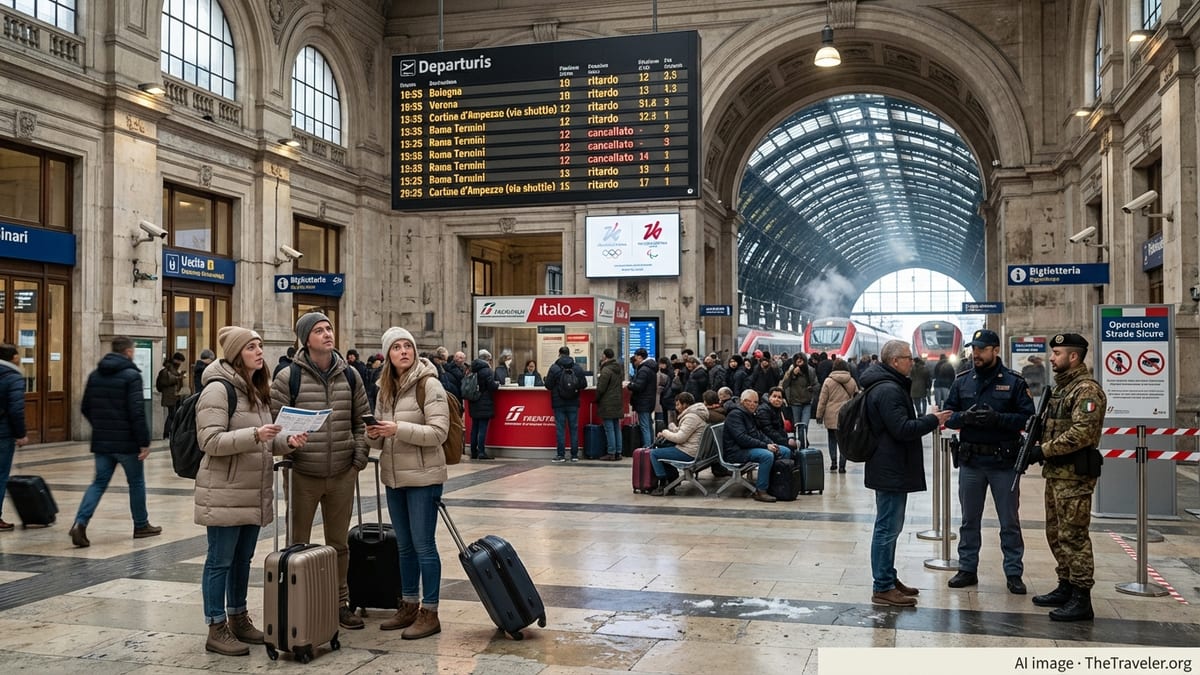
Record Arrivals Signal a New Transatlantic Era
Across Europe, official statistics and industry reports indicate that tourism has not only recovered from the pandemic shock but moved decisively into new territory. Data published by Eurostat show that nights spent in European Union tourist accommodation reached roughly 3 billion in 2024, exceeding previous records and underscoring the strength of international demand. Publicly available figures also indicate that Europe welcomed more than 740 million international arrivals in 2024, with the region retaining its position as the world’s most visited destination.
Within that surge, American travelers have emerged as one of the most powerful drivers of growth. Analysis from the European Travel Commission and national tourism boards points to United States visitors as a leading long haul market, with foreign arrivals to Europe now running noticeably above 2019 levels. Reporting on individual destinations highlights especially strong gains in countries such as Portugal, Türkiye and Mediterranean islands, where spending from US visitors has become a key component of local economies.
Industry research suggests that this wave is not a one season phenomenon. Quarterly outlooks for 2025 note that long haul demand remains resilient even as some other source markets soften. Carriers and airports report that transatlantic capacity has expanded in response, with additional routes from secondary US cities into both major hubs and smaller European destinations.
The cumulative effect is a structural shift in Europe’s tourism mix. While intra European and domestic travel still account for the majority of nights, the growing share of high spending visitors from North America is reshaping where investment flows, which neighborhoods see the most pressure and how cities think about the kinds of travelers they want to attract.
Strong Dollar, High Fares and the New Price Equation
Currency movements and airfare dynamics are central to explaining the American driven boom. Even after recent fluctuations, the dollar has remained strong enough against the euro and many European currencies to make trips across the Atlantic feel comparatively good value for US travelers. Reports from travel platforms and financial analysts show that for many households, a week in southern Europe can, in some cases, rival or undercut the cost of peak season vacations in popular US beach or theme park destinations.
At the same time, the transatlantic rush has driven up flight prices. Airline financial disclosures and booking data point to sustained demand on routes from major US gateways to cities such as Rome, Lisbon, Athens and Paris, allowing carriers to keep economy fares elevated and premium cabins heavily booked during peak months. Consumer forums and travel advisory sites have documented widespread sticker shock, with many travelers reporting that summer tickets are significantly higher than just a few years ago.
Instead of damping demand, those higher prices appear to be reshaping it. Travel search data for 2024 and 2025 released by industry providers show growing interest in shoulder season trips, weekday departures and secondary airports as Americans look for ways to make Europe more affordable. There is also evidence that visitors are trading length for quality, opting for slightly shorter stays while maintaining high daily spending on food, activities and accommodation.
This combination of currency support and constrained airline capacity has turned American visitors into particularly lucrative guests. Hotels and short term rentals in gateway cities report strong occupancy and rising average daily rates during US school holiday periods, while tour operators note that Americans often book structured experiences and guided excursions at higher rates than many regional travelers.
Historic Cities Strain Under Overtourism Pressures
The influx is sharpening long running concerns about overtourism in many of Europe’s most photographed locations. Municipal reports, academic studies and platform based research all point to surging visitor volumes in historic centers from Barcelona and Venice to Dubrovnik and the Greek islands, often concentrated into a few peak months. Short term rental data compiled for major cities indicate that entire districts now host more tourist beds than long term housing, intensifying debates over affordability and the character of local neighborhoods.
Published analyses on crowding show that the problem is not just raw numbers but timing and geography. Large volumes of transatlantic arrivals typically cluster around school vacations in the United States, creating dense waves in June, July and August. Cruise calls and low cost intra European flights then layer additional visitors onto already saturated districts. Residents’ groups and local media coverage describe congestion in public transport, noise late into the night and strains on public services that were not designed for such sustained intensity.
In response, authorities in several destinations have begun trialing new measures aimed at dispersing or limiting crowds. Policy documents and press statements outline strategies including day visitor fees for historic centers, tighter rules on short term rentals, controls on cruise ship berths and campaigns to promote lesser known districts or off season travel. Some cities are experimenting with real time data platforms and visitor flow monitoring to redirect tourists away from overcrowded streets and toward under visited cultural sites.
The American surge is a prominent part of these discussions because of both its scale and spending power. With long haul travelers typically staying longer and spending more per trip than regional visitors, local debates increasingly focus on how to preserve that economic benefit while reducing the impact on housing markets, public space and the daily lives of residents.
Schengen Policies, Visas and the Infrastructure Squeeze
Europe’s regulatory framework is evolving in parallel with these tourism trends. The Schengen Area, now covering almost all EU member states and several associated countries, continues to function as a single travel zone once visitors cross the external border. According to information from European institutions, this arrangement helps make the region one of the world’s most attractive and convenient multi country itineraries, particularly for long haul visitors who can move between dozens of destinations without further border checks.
Recent policy updates are also reshaping how non European visitors plan their trips. European Commission figures show that consulates for Schengen and associated countries handled about 11.7 million short stay visa applications in 2024 and more than 12 million in 2025, marking a clear rise on previous years. While US citizens do not currently require visas for short tourist stays, they will eventually be covered by a new electronic travel authorization system designed to pre screen visitors and streamline border procedures.
Behind the scenes, this surge in demand is putting pressure on infrastructure. Airport industry data indicate that passenger traffic across Europe has now exceeded pre pandemic levels on many routes, prompting investments in terminal expansions, security technology and rail links. Popular rail corridors and intercity bus networks have also experienced spikes in summer occupancy, leading operators to add capacity where possible but also exposing bottlenecks in rolling stock and station facilities.
Smaller destinations, in particular, are facing capacity constraints. Local reports from islands and rural regions describe water and waste systems stretched by peak season population spikes, along with difficulties recruiting enough seasonal workers for hospitality and transport. As more Americans venture beyond capital cities and into these regions, the need for coordinated planning and investment has become more urgent.
Tourism Strategies Pivot Toward Value and Sustainability
With American demand showing little sign of retreat, tourism bodies across Europe are rethinking what success should look like in the years ahead. Strategic plans and annual reports from national and regional organizations increasingly emphasize a shift away from pure volume targets and toward higher value, lower impact models. That includes attracting visitors who stay longer, travel outside peak months and engage with local culture beyond the most crowded landmarks.
Marketing campaigns in major US cities now highlight lesser known regions, rail based itineraries and slower travel experiences that distribute spending more evenly. Some destinations are aligning their tourism strategies with climate goals by promoting public transport, supporting accommodations that meet energy efficiency standards and encouraging longer stays in place of multiple short trips.
For local businesses, the American surge is prompting both opportunity and adaptation. Restaurants, museums and tour operators are tailoring services to a more international clientele, from extended opening hours to digital ticketing and English language programming. At the same time, many are grappling with higher operating costs, wage pressures and the need to invest in technology to manage bookings and crowd flows.
How Europe manages this powerful wave of US tourism over the next few years will help determine whether the current boom becomes a foundation for more resilient, sustainable visitor economies or a flashpoint for social and political tensions in cities already wrestling with housing and cost of living crises.