


More news on this day
Record numbers of American travelers are helping power Europe’s strongest tourism boom in years, lifting visitor spending and reshaping how destinations, airlines and workers across the continent respond to peak-season crowds.
Get the latest news straight to your inbox!
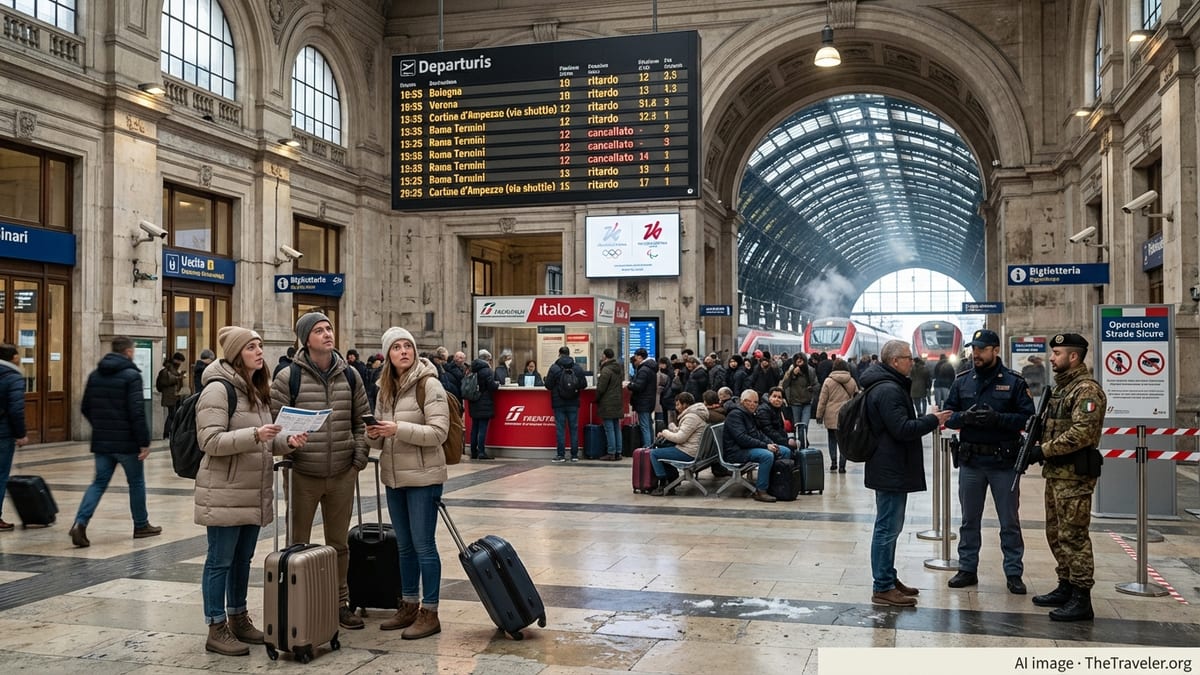
A Transatlantic Wave at Historic Scale
Publicly available data indicate that outbound travel from the United States has climbed to new highs, with more than 50 million Americans heading overseas annually and Europe claiming a large share of that traffic. Industry reports point to a multiyear surge in U.S. passport issuance and flight bookings to European hubs, reflecting pent-up demand after the pandemic and a sustained appetite for international trips despite higher costs.
European tourism bodies report that 2024 was the strongest year on record for many destinations, with international arrivals across the continent exceeding pre-pandemic levels and continuing to rise into 2025. Analysts note that while travel from Asia has recovered more slowly, inflows from North America, led by the United States, have more than filled part of that gap and become a stabilizing force for the sector.
Research from European tourism organizations shows that American arrivals are above 2019 levels in the vast majority of reporting destinations, including both traditional favorites such as France, Spain and Italy and fast-rising markets in the Balkans and Eastern Mediterranean. That shift is visible in air capacity, with transatlantic seats expanded on key summer routes and new seasonal links added from secondary U.S. cities to European gateways.
Consumer surveys tracking travel intentions in North America and Europe suggest that the appetite for overseas holidays remains unusually robust. Recent barometer studies find that more than seven in ten Americans plan to travel during peak summer months, a record share that reinforces expectations of another crowded season in European cities, beach resorts and cultural hotspots.
Strong Dollar, Flexible Work and a Search for ‘Value’
Economists and travel analysts point to a combination of macroeconomic and social factors behind the American-driven surge. A relatively resilient U.S. labor market, accumulated savings among higher-income households and the widespread adoption of remote and hybrid work have enabled more travelers to combine vacations with longer stays abroad.
Currency trends and price comparisons have also tilted in Europe’s favor. Even as airfares and hotel rates have climbed, many Americans continue to view European destinations as offering better perceived value than high-cost domestic hotspots. Reports on spending patterns show that U.S. visitors are willing to pay for central accommodation and premium experiences, particularly in culture-rich cities, while trimming costs elsewhere through apartment rentals, shoulder-season travel and cheaper local transport.
Industry research from global payments and card networks finds that U.S. card spending in Europe has risen sharply compared with 2019, helped by a strong dollar over much of the recovery period. In several major European markets, American tourists rank among the top foreign spenders per trip, supporting hospitality revenues even as inflation and labor costs rise.
There are signs, however, that travelers are becoming more selective. Surveys cited in recent coverage show a modest decline in the share of Americans who say they specifically plan a European vacation compared with earlier in the rebound, suggesting that high prices, political uncertainty and a softer dollar could eventually slow the pace of growth, even if volumes remain elevated by historical standards.
Economic Lifeline for Europe’s Tourism Hubs
The influx of Americans is reshaping balance sheets across Europe’s visitor economy. Travel and tourism councils forecast that international visitor spending on the continent will climb by double digits this year, with France and Spain among the countries expected to post record revenues. Large U.S. inflows are a key component of those projections, especially in urban centers and coastal regions with dense air links to North America.
European tourism reports describe U.S. demand as a crucial driver of the post-pandemic recovery, particularly during shoulder seasons when domestic and regional travel alone might not sustain occupancy. Cities such as Paris, Rome, Barcelona and Amsterdam have seen strong growth in arrivals from the United States, while smaller destinations from Portugal’s coastal towns to Croatia’s Adriatic ports are attracting more long-haul visitors than before 2020.
The surge is visible in hard infrastructure decisions. Airlines have added capacity on transatlantic routes and extended seasonal operations, while airport authorities in several countries are pressing ahead with terminal expansions, new rail links and upgraded passenger facilities. Hospitality groups report elevated booking volumes from U.S.-based loyalty program members, supporting investment in hotel renovations and new properties aimed at higher-spending guests.
For many local economies, especially in Southern Europe, this American wave acts as an economic buffer at a time of slower manufacturing growth and lingering energy concerns. Tourism’s share of GDP and employment is edging higher in several countries, increasing their exposure to global travel cycles and to policy shifts that could affect the ease and cost of long-haul trips.
Overtourism Flashpoints and Local Backlash
The same influx that sustains jobs and tax revenues is deepening concerns about overtourism. Publicly available statistics from European institutions show record numbers of nights spent in tourist accommodation in 2024, with Mediterranean destinations and major capitals absorbing much of the pressure. Residents and local officials in high-traffic neighborhoods report mounting frustration over congestion, noise and the conversion of housing stock into short-term rentals.
In response, a growing number of European cities are tightening regulation and experimenting with tools to manage visitor flows. Measures include caps on new vacation rentals, higher tourist taxes in peak season, crowd-control systems around historic landmarks and stricter rules on cruise ship berths. While such steps target all visitors, the presence of large, high-spending American groups and cruise passengers often makes them especially visible in public debate.
Researchers warn that without more effective management, the concentration of tourists in a handful of famous districts risks eroding the very qualities that attract international travelers in the first place. Industry briefings stress the need to spread demand more evenly across regions and seasons, encouraging trips to lesser-known destinations and promoting rail itineraries or off-peak city breaks instead of short, high-impact visits.
Surveys of traveler sentiment suggest that many Americans are increasingly aware of these tensions. Interest in “authentic” experiences, smaller towns and slower travel has grown, and booking data indicate a gradual rise in visits to second-tier cities and rural areas. Still, the gravitational pull of iconic sites means that the main pressure points in places such as central Venice, Barcelona’s old town and the Parisian core remain acute during summer and holiday peaks.
Airlines, Jobs and the Next Phase of the Boom
The transatlantic boom has major implications for airlines, airports and the tourism workforce on both sides of the ocean. Carriers based in Europe and North America are channeling more capacity into routes linking U.S. cities with key European hubs, often using newer, more fuel-efficient aircraft optimized for long-haul point-to-point service. Industry analyses highlight that transatlantic flying remains one of the most profitable segments for several major airline groups.
Labor markets in tourism and aviation, however, remain tight. Hotels, restaurants, ground services and airport security operators across Europe continue to report staff shortages, a legacy of workers leaving the sector during the pandemic. With American visitors helping push occupancy and passenger volumes to record levels, employers in popular destinations have had to raise wages, offer bonuses or import seasonal workers to keep pace with demand.
Looking ahead, tourism forecasters expect Europe’s international arrivals to keep growing, but at a slower rate as the rebound phase gives way to a more mature cycle. Key uncertainties include currency movements, geopolitical tensions, climate-related disruptions and the evolution of visa and entry systems that will soon require more pre-travel formalities for many non-European visitors, including Americans.
For now, the transatlantic link remains a powerful engine. Millions of Americans are treating Europe as a preferred playground for culture, food and history, and their spending is helping to redefine the map of winners and losers in the continent’s tourism economy. How European destinations manage that influx over the next few years will shape not only local quality of life but also the long-term sustainability of one of the world’s most important travel corridors.