


More news on this day
Rail passengers across Britain face severe disruption as an intense heatwave forces operators to axe and slow services on key routes linking London with Manchester, Leeds, Huddersfield, Blackpool and other major destinations, triggering widespread travel chaos at the height of the summer getaway.
Get the latest news straight to your inbox!
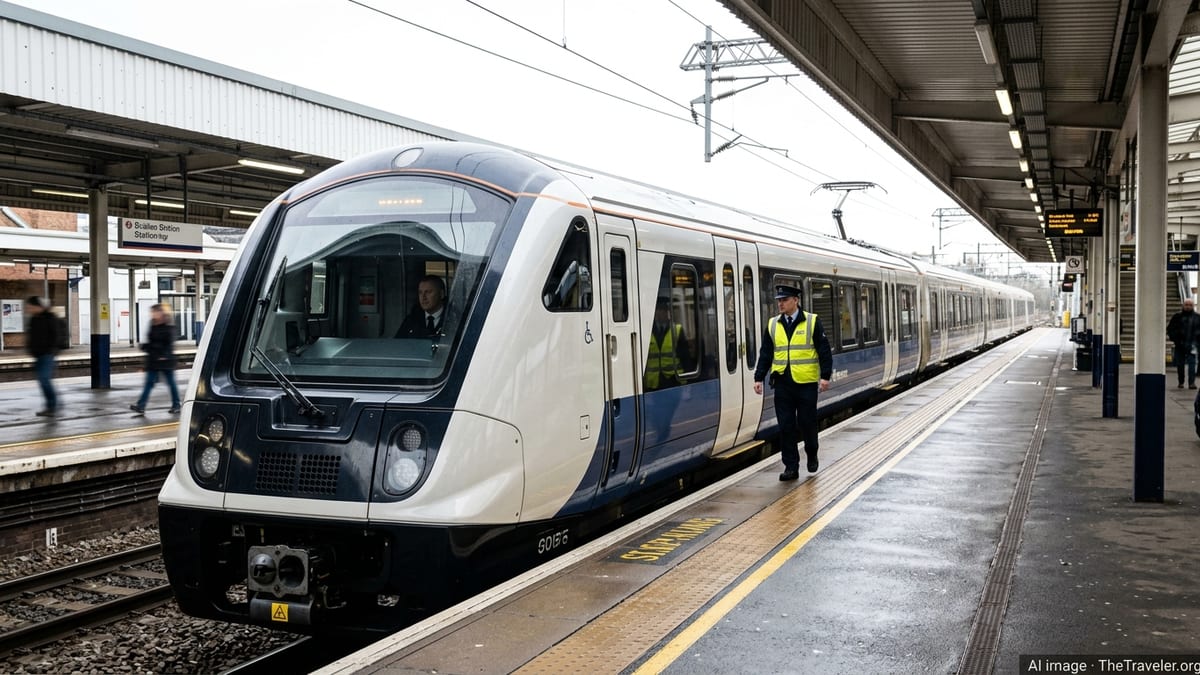
Heat Alerts Trigger Nationwide Rail Slowdown
The latest extreme heatwave has pushed Britain’s rail network into crisis mode, with operators cutting frequencies, imposing emergency speed restrictions and warning people to travel only if essential. Red and amber heat warnings covering large parts of England have coincided with some of the busiest travel days of the summer, sharply reducing capacity on intercity and regional routes.
Publicly available information from rail companies indicates that high track temperatures are the central concern, as rails can expand and risk buckling in prolonged heat. To reduce the strain on infrastructure, services are being thinned out and trains that do run are operating at lower speeds, particularly during the hottest hours of the afternoon.
Network-wide guidance shows that long distance links from London to major cities are among the worst affected. Routes connecting the capital with Birmingham, Manchester and other northern hubs are running reduced timetables, with some services cancelled outright and others combined, stretching remaining trains to capacity.
Passengers are being advised through public channels to check services before setting out, expect extended journey times and prepare for last minute changes. In many regions, tickets are being accepted on alternative services over a wider range of dates to give travellers flexibility to avoid the peak of the heat.
Manchester and the North Face Intense Disruption
Manchester has emerged as one of the focal points of the disruption, as the heatwave coincides with already tight capacity on routes across the North West. Regional coverage from Greater Manchester indicates that operators have thinned out local stopping services and reduced frequencies on commuter corridors into the city, with Salford, Bolton and Wigan among areas reporting cuts.
Services through Manchester Victoria are seeing particular strain. Fewer trains are operating towards Southport and Blackburn, and passengers report heavily loaded services on those trains that do run. Public-facing travel updates describe extended gaps between departures, forcing some commuters to wait for multiple trains before boarding.
On the intercity network, the combination of heat-related speed restrictions and knock-on congestion elsewhere has led to cuts on trains linking Manchester with London Euston and other West Coast Main Line destinations. Timetable alterations published by operators show fewer through services and the removal of some peak-time journeys between Manchester Piccadilly and the capital, with remaining trains expected to be very busy.
Travel advisories stress that disruption is likely to evolve through the day as temperatures rise and infrastructure is inspected. Passengers heading to or through Manchester are repeatedly urged to allow significantly more time, carry water and be prepared for sudden cancellations or train short forms.
Leeds, Huddersfield and Transpennine Routes Squeezed
The heatwave is striking at a sensitive moment for the Transpennine corridor between Leeds, Huddersfield and Manchester, where engineering works have already been limiting capacity. Published information on the upgrade programme shows that sections of the route have been operating with altered timetables and rail replacement buses in recent months, leaving little resilience when additional weather-related restrictions are imposed.
As temperatures climb, operators are announcing further cuts and speed limits on the remaining open sections of track. This is particularly acute on the fast lines used by express services between Leeds and Manchester, where slower running times reduce the number of trains that can safely operate each hour.
Huddersfield, a key interchange on the Transpennine network, has seen rolling alterations as services are combined or diverted. Regional reports suggest passengers on cross-country journeys are experiencing complex routings involving both rail and bus legs, extended layovers and frequent platform changes as operators attempt to keep a skeleton service moving.
For travellers, the combination of planned engineering blockades and sudden heat-related cuts has resulted in fragmented journeys across Yorkshire and the North West. Many are being encouraged through journey planners to rebook for cooler days later in the week or to consider alternative modes for essential trips.
Blackpool and Coastal Links Hit as Holiday Season Begins
Blackpool and other coastal destinations are also feeling the impact as the heatwave coincides with the start of the main summer holiday period. Operators serving the Lancashire coast have reduced some services from Manchester and Preston towards Blackpool North, reflecting both the impact of heat restrictions on inland main lines and concerns about crowding at already busy seaside stations.
Information from route-specific notices shows that the West Coast Main Line, which connects Blackpool and other north west towns into London via Preston and Crewe, is again a pressure point. Any heat-related speed limits or infrastructure checks on the core route quickly cascade to coastal branches, leaving holidaymakers facing extended waits and truncated timetables.
In some cases, trains that would normally continue to resort stations are being turned back short to regulate the timetable and protect punctuality elsewhere, requiring onward journeys on local stopping services. Public updates emphasise that these decisions are being taken on the day in response to conditions, which can change rapidly as temperatures peak.
Local tourism businesses, already managing strong demand due to the hot weather, are reporting through media coverage that late arrivals and missed connections are affecting check-in times and day-trip plans. Travellers are being urged in public messaging to factor rail disruption into their schedules and to build in extra time for connections to buses, trams and taxis at the coast.
London Corridors Under Strain as Operators Cut Back
In and around London, the intense heat is exposing vulnerabilities on some of the country’s busiest lines. Published coverage reports reduced timetables on services into key London termini, including London Euston, where operators have proactively cut trains to manage the risk of track buckling and overhead line issues during peak heat.
These cuts are affecting long distance intercity trains as well as commuter services from the Midlands and the North West. Slower running speeds through bottleneck sections, along with the removal of selected trains, are intended to reduce congestion and give engineers more time to monitor infrastructure. However, the result for passengers is more crowding and longer waits, particularly during the evening peak when temperatures on platforms remain high.
Elsewhere on the London network, regional and suburban lines are implementing temporary speed limits and targeted cancellations. Public information from several operators in the South East and South West describes earlier last trains, amended stopping patterns and the withdrawal of some shorter-distance services to free up capacity for key flows.
Transport commentators note that this latest episode follows previous summers in which extreme heat has severely disrupted rail operations. The current response, combining pre-emptive cuts with widespread travel warnings, suggests that operators are seeking to avoid the infrastructure failures and severe on-train conditions seen during earlier heatwaves, even at the cost of significant short-term disruption for travellers.