


More news on this day
UK holidaymakers planning autumn getaways to Spain are being urged to prepare for potential extreme disruption in October, as new border controls, severe weather risks and local protests combine to create a more challenging travel environment than in previous years.
Get the latest news straight to your inbox!
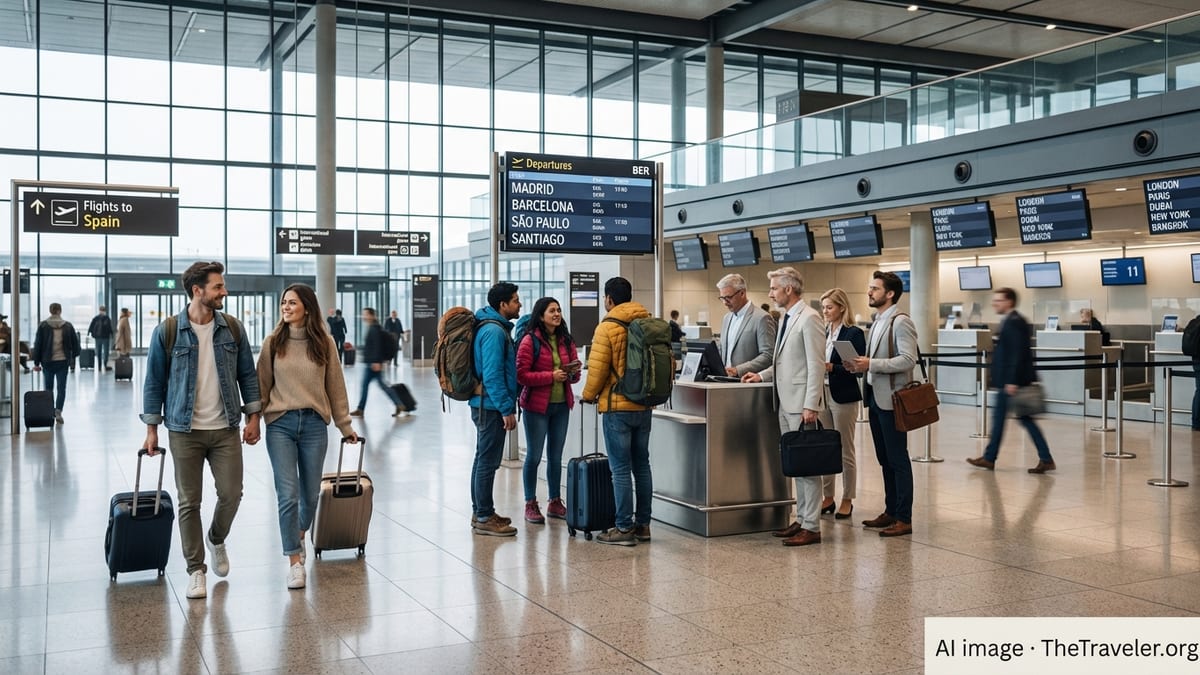
New EU border rules set to slow arrivals from mid October
Reports from European travel and policy briefings indicate that the European Union’s new Entry/Exit System is due to go live in mid October, introducing biometric checks for non EU nationals, including UK citizens, at the external Schengen border. Spain, as one of the bloc’s busiest holiday gateways, is expected to experience some of the heaviest initial pressure.
Under the new system, UK travellers arriving in Spain will need to provide fingerprints and a facial image on top of routine passport checks the first time they enter after the scheme begins. Publicly available guidance notes that this process will be carried out at staffed booths rather than at automated e gates during the roll out phase, which is likely to lengthen queues at peak times.
Industry commentary in Spain and across the EU highlights particular concern for large airports that handle high volumes of British visitors, such as Málaga, Alicante, Palma de Mallorca and Barcelona. Border police staffing levels, the number of enrolment kiosks and how quickly passengers adapt to the new procedures will be critical factors in determining how severe the disruption becomes in the first weeks.
Travel organisations in the UK and Spain are advising that October travellers build in longer connection times, avoid tight onward rail or domestic flight links and be prepared for extended waits at passport control, especially during school half term and weekend peaks.
Weather extremes raise risk of localised chaos
Recent seasons in Spain have been marked by more frequent episodes of intense rainfall and flash flooding in autumn, particularly along the Mediterranean coast. Coverage of the October 2024 floods in the Valencia region documented widespread damage to roads, rail lines and airports, with hundreds of flights and train services disrupted as emergency crews worked to clear debris.
Meteorological agencies have since pointed to a trend of slow moving storm systems over the western Mediterranean that can suddenly bring very heavy rain to popular coastal areas such as the Costa Blanca, Costa del Sol and the Balearic Islands. In October, when sea temperatures remain relatively warm, these systems can rapidly intensify and overwhelm local drainage and flood defences.
Analyses from European climate and tourism bodies suggest that short notice red and orange weather alerts are now more common in early and mid autumn, sometimes forcing authorities to suspend rail services, close sections of motorways and temporarily shut airport runways. For travellers, this can mean last minute cancellations, diversions and long delays, even when conditions at their final resort appear calm.
UK tourists are being encouraged to pay close attention to official weather bulletins for their destination in the days before departure, and to remain flexible about plans for onward travel within Spain. Buying fully flexible tickets for domestic rail journeys and allowing extra time for transfers between airports and coastal resorts can help reduce the impact if severe weather forces sudden closures.
Anti tourism protests add pressure in key hotspots
At the same time, Spain has experienced a wave of demonstrations against overtourism since 2024, with marches and rallies reported in Barcelona, Málaga, San Sebastián and the islands of the Balearics and Canaries. Publicly available reports from Spanish and international media describe residents protesting against rising housing costs, crowded public spaces and the environmental impact of mass tourism.
Organisers have frequently chosen weekends and public holidays to stage the largest protests, and there are early indications from local coverage and activist groups that further mobilisations are being planned for the shoulder season in autumn, including October, when many British visitors still head to Spain for milder weather and lower prices.
Previous demonstrations have occasionally led to road blockages near airports, ports and historic city centres, adding to transport disruption on already busy days. In some cases, short term closures of popular sightseeing areas and temporary restrictions on vehicle access have been reported.
Travel advisories and independent security briefings recommend that UK tourists keep a close eye on local news while in Spain, avoid joining large crowds and allow additional time to reach airports or railway stations if demonstrations are announced. Booking accommodation slightly away from the most saturated tourism districts may also reduce exposure to sudden street closures or noisy overnight gatherings.
What UK travellers can do to prepare
Given the combination of new border checks, volatile weather and social tensions around tourism, UK visitors heading to Spain in October are being urged to take a more cautious and proactive approach to trip planning than in previous years. Travel insurers and consumer groups consistently underline the importance of comprehensive policies that explicitly cover delays, cancellations and missed connections caused by both industrial and weather related disruption.
Specialist travel advice services recommend that passengers flying into Spain build generous buffers into their itineraries, particularly when travelling with young children or connecting to cruises and package tours. Arriving at the airport earlier than usual, checking in online where possible and carrying essential items in hand luggage can ease the strain if queues at security or passport control are longer than expected.
For those still deciding on dates, some UK travel commentators suggest avoiding the very start of the new border regime and the busiest half term period, instead targeting late October dates when initial teething problems may have begun to ease. However, they also note that weather related disruption often peaks later in the month, meaning there is no completely risk free window.
Ultimately, publicly available guidance from tourism bodies and consumer organisations emphasises that Spain remains a safe and popular destination for British holidaymakers, but that the travel experience in October is likely to feel more unpredictable than before. Travellers who stay informed, build in time buffers and keep flexible back up plans are expected to be best placed to cope if extreme disruption materialises.