


More news on this day
A late-night diversion that left 373 passengers stranded on the tarmac for more than ten hours without air conditioning is drawing intense scrutiny of airline contingency planning and passenger-rights protections, as accounts describe sweltering conditions, scarce information and limited assistance through the night.
Get the latest news straight to your inbox!
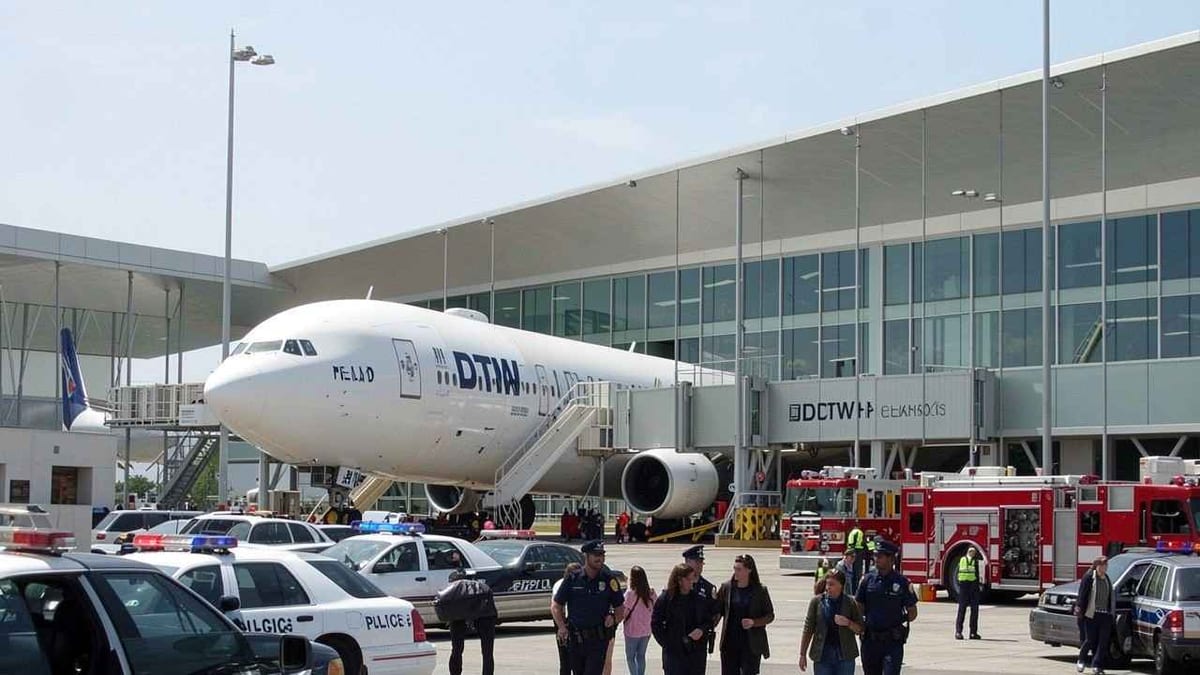
Late-Night Diversion Turns Into Overnight Ordeal
According to published coverage and social media posts, the widebody jet diverted late at night after its original destination became unavailable, reportedly due to a combination of weather and congestion. Instead of a relatively brief technical stop, passengers found themselves immobilized for more than ten hours, remaining on or near the aircraft through the early morning hours.
Reports indicate that cabin air conditioning was unavailable for extended stretches while the aircraft sat at the remote airport. With engines powered down and limited ground-based cooling, the interior of the plane was described as hot and stuffy, particularly for those in the middle and rear sections of the cabin. Travelers recounted efforts to fan themselves with safety cards and in-flight magazines as temperatures rose.
What began as a routine diversion evolved into a prolonged disruption as the flight crew and airline operations reportedly confronted a cascade of complications: crew duty-time limits, lack of available gates capable of handling a large aircraft, and restricted airport staffing during overnight hours. Passengers were told to remain on board for long periods as options were assessed, with many unsure when, or even where, they would be allowed to disembark.
As the delay stretched into the early morning, frustration grew over the limited flow of information. Publicly available accounts describe sporadic announcements and broad reassurances, but few specific details about timing, onward travel plans, or access to basic amenities. For families traveling with young children and older passengers with health conditions, the uncertainty compounded the physical discomfort inside the warm, crowded cabin.
Heat, Health Concerns and Basic Comforts
Extended delays on stationary aircraft can quickly become a health and safety concern, especially when climate control is limited. Medical experts note that high cabin temperatures can exacerbate conditions such as heart disease, respiratory problems and diabetes, and can be especially challenging for infants, pregnant travelers and older adults. In this incident, passengers described feeling overheated, dehydrated and anxious as the hours passed.
Reports indicate that while bottled water was eventually distributed, supplies were stretched thin for such a large number of people over so many hours. Food offerings were also limited, as catering is typically planned for a standard flight duration with modest contingency. Some travelers said they attempted to ration snacks brought from home, uncertain if additional provisions would be offered before morning.
Restroom access, another recurrent stress point during long tarmac delays, reportedly remained available but increasingly uncomfortable. As the delay neared and then exceeded the ten-hour mark, passengers described long lines and a sense that the cabin environment was deteriorating, even as the aircraft remained securely parked and the situation was not classified as an emergency evacuation.
Across recent years, similar incidents in North America and Europe have prompted debate about how long passengers should be kept on board in such conditions. Consumer advocates argue that once delays reach several hours, especially without effective cooling or adequate food and water, deplaning to a terminal or other safe facility should be prioritized whenever operationally possible.
Regulatory Limits and Passenger Rights Under the Spotlight
The episode has renewed attention on tarmac-delay rules and the gap between formal protections and what travelers experience during real-world disruptions. In the United States, federal regulations limit most domestic tarmac delays to three hours for departures and four hours for arrivals, with requirements for food, water, working lavatories and updates at regular intervals. Exceptions can apply for safety, security and air-traffic control reasons, and for certain international routes.
In practice, diversions to smaller or lightly staffed airports can test the boundaries of those protections. When a large aircraft arrives unexpectedly in the middle of the night, local infrastructure may lack adequate gate space, customs processing, ground power units or buses to transfer hundreds of passengers. Airlines may argue that safety and operational constraints restrict their ability to deplane, even as conditions on board deteriorate.
Consumer-rights groups have long contended that airlines and airports must plan more robustly for these scenarios, advocating for clearer contingency requirements, stronger financial penalties and automatic compensation when delays exceed regulatory thresholds. They point to a growing catalogue of diversion and tarmac-delay incidents in which passengers spent many hours confined without reliable air conditioning, full access to food and water, or timely information about their options.
Comparisons are also being drawn with passenger-compensation frameworks in other regions, such as the European Union’s regime, which sets standardized payouts for long delays and cancellations under defined circumstances. While such rules do not prevent disruptions, advocates argue they can change airline incentives, making it more costly to leave customers stranded in uncomfortable conditions.
Operational Strain and Industry-Wide Pressures
Aviation analysts note that the incident highlights broader operational strains facing airlines as they manage tight schedules, congested airspace and increasingly volatile weather patterns. Late-night diversions are especially problematic because they often occur when staffing is thinest, both at the operating airline and at the airports that receive the aircraft.
Publicly available information on recent disruptions shows a pattern in which cascading delays, crew duty-time limits and equipment constraints can trap passengers in limbo far from their intended destination. When a flight diverts, the aircraft, its crew and its passengers are suddenly out of position, and there may be no spare crews, gates or ground equipment readily available to handle the influx.
Airlines typically maintain contingency plans for diversions, including agreements with alternative airports, but those plans can be strained when multiple flights reroute at once due to storms or system-wide disruptions. Analysts say that without adequate investment in resilience, including more flexible staffing, additional ground equipment and clearer protocols for rapid deplaning, similar incidents are likely to recur, particularly during peak travel periods.
The industry has also faced scrutiny over how modern aircraft are powered on the ground. While on-board auxiliary power units and external ground systems can provide electricity and limited cooling without running main engines, there are cost and technical trade-offs. In some diversion scenarios, passengers report that air conditioning is intermittent or absent for long stretches, raising questions about whether operational savings are being prioritized over passenger comfort.
Calls for Accountability and Better Communication
As details of the ten-hour diversion emerged, travelers and consumer advocates used social platforms and complaint channels to document the experience and press for accountability. Many questioned why a plane carrying 373 people was allowed to sit for so long without reliable cooling, and why more decisive steps were not taken to move passengers into a terminal or provide alternative onward travel sooner.
Advocates argue that even when operational challenges limit an airline’s options, transparent and frequent communication can significantly reduce passenger frustration. Clear explanations of what is happening, realistic time estimates, and honest discussion of alternatives such as hotel stays, ground transportation or flight rebooking are seen as essential to maintaining trust.
Policy watchers expect regulators to review the incident alongside other recent diversion cases to determine whether existing rules were followed and if further guidance or enforcement action is warranted. Any formal findings could take months, but the reputational impact for carriers involved in high-profile tarmac delays often lands far sooner, shaping public perceptions of reliability and care.
For travelers, the episode serves as another reminder of the unpredictability of modern air travel and the limits of current protections. While diversions are sometimes unavoidable for safety reasons, the experience of 373 passengers stranded overnight without adequate air conditioning underscores the importance of robust contingency planning and a renewed focus on passenger well-being when flights do not go as planned.