


More news on this day
A late-night diversion involving 373 travelers has raised new questions about how airlines handle tarmac delays, after passengers reported being trapped on board for more than 10 hours with little air conditioning, limited access to food and water, and scarce information about when they would be allowed to leave.
Get the latest news straight to your inbox!
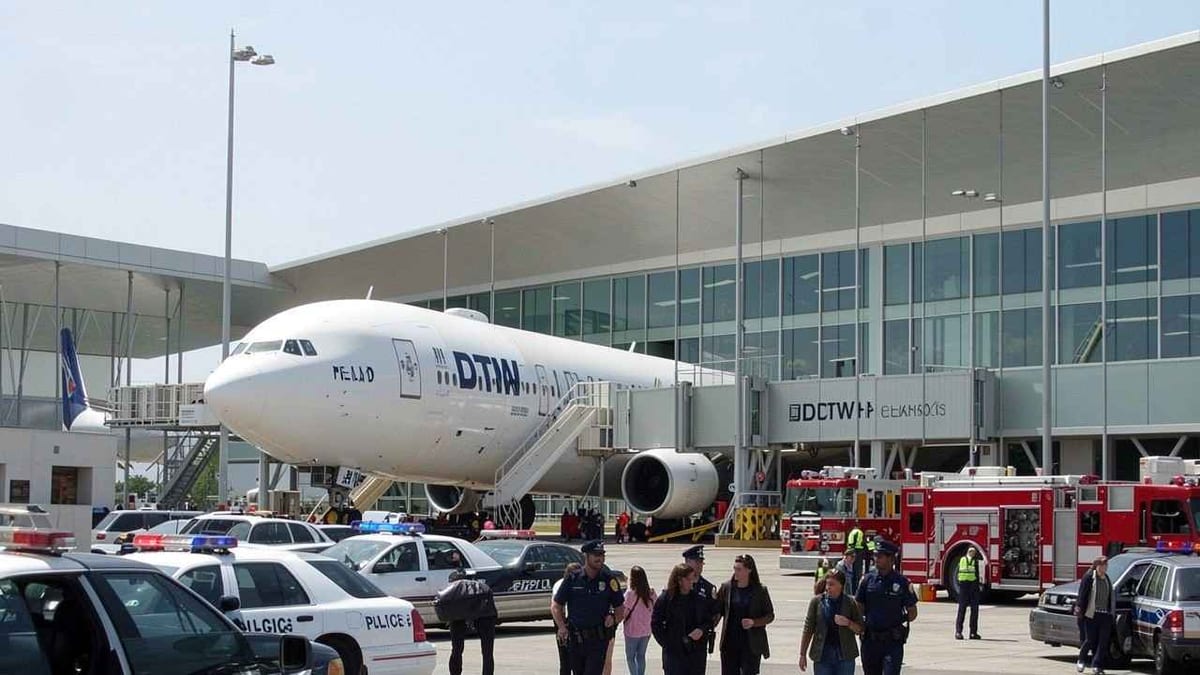
Late-Night Diversion Becomes an All-Night Standoff
According to published coverage and passenger accounts shared on social media, the flight was originally scheduled as an overnight service but was diverted late in the evening because of weather and operational constraints at its destination. Instead of a routine reroute and quick disembarkation, travelers say they remained on the aircraft deep into the night and through the early morning hours, with the cabin growing progressively hotter and more uncomfortable.
Reports indicate that 373 passengers were on board, filling the aircraft to near capacity. After landing at the diversion airport, the jet reportedly remained parked without a jet bridge or buses immediately available to offload travelers. With no clear timeline for when ground arrangements would be made and with crew duty-time limits approaching, the situation steadily deteriorated inside the cabin.
Passengers have described an atmosphere of mounting frustration and fatigue, as what was expected to be a brief diversion stretched past 10 hours. Many travelers were already exhausted from a full travel day before boarding the late-night departure, heightening the impact of the extended delay.
Reports of Minimal Air Conditioning and Stifling Heat
What turned the delay from an inconvenience into a headline-making event was the reported lack of effective air conditioning. Several passengers stated that while some ventilation appeared to be operating, the airflow was weak and the temperature inside the aircraft felt uncomfortably high, especially during the early hours when outside ground support was limited.
Experts note that aircraft cooling systems often rely on either running engines or an auxiliary power unit, along with ground power or portable air-conditioning units, to keep cabins comfortable while parked. When those systems are constrained, cabins can quickly become stuffy, particularly with hundreds of people seated in close quarters and minimal movement allowed.
Video clips and photos circulating online appear to show travelers fanning themselves, wiping sweat and at times crowding the aisles while waiting for updates. Parents with young children, older passengers and those with health conditions reportedly expressed particular concern about the heat as the hours wore on.
Limited Information, Food and Water Amplify Passenger Anger
Passengers also complained of sparse communication as the night progressed. Publicly available accounts suggest that announcements from the flight deck and cabin crew were infrequent or lacked specific timelines, often citing the need to wait for clearance from operations, ground handlers or airport authorities before any deplaning could begin.
As the delay extended, travelers say that supplies of food and bottled water on board began to run low. Some passengers reported receiving only occasional water service, while others said they were not offered snacks or meals for long stretches of time. For those with connecting flights, missed events or tightly timed itineraries, the lack of clear information about onward travel added to the stress.
By the time passengers were finally allowed off the aircraft, many had been seated for well over 10 hours since the diversion began, often without reliable air conditioning, adequate rest or the ability to move freely. Some reported lingering headaches and dehydration, while others described the experience as one of the most difficult flights they had ever taken.
Regulatory Questions Around Extended Tarmac Delays
The incident has renewed attention on tarmac delay rules in major aviation markets, which are designed to prevent passengers from being held on parked aircraft for long periods without the option to disembark. In the United States, for example, regulations generally limit domestic tarmac delays to three hours before passengers must be offered the chance to leave, with certain safety and operational exceptions. Similar frameworks exist or are evolving in other regions.
Consumer advocates argue that multi-hour delays in sealed cabins with minimal cooling or ventilation run counter to the spirit of those protections, even when airlines can point to weather, crew duty-time rules or airport infrastructure as complicating factors. They say that long overnight delays, in particular, can carry heightened health risks and should trigger more aggressive contingency planning.
Industry analysts note that diversions to smaller or under-resourced airports can quickly expose gaps in coordination between airlines, airport operators and ground service providers. When customs or immigration facilities, jet bridges, buses or overnight staffing are limited, passengers may have few options besides remaining on the aircraft until a solution is arranged.
Growing Scrutiny of Airline Contingency Planning
This incident arrives at a time when airline operations are already under heightened scrutiny following a series of disruptions tied to severe weather, technology failures and staffing shortages. Travel industry observers say that extended tarmac delays involving hundreds of people in uncomfortable or unsafe conditions can rapidly become emblematic of broader systemic strains.
Publicly available information shows that regulators in several jurisdictions have stepped up enforcement actions and investigations into carriers that allow tarmac delays to stretch beyond legal thresholds. Consumer groups are also pressing for more transparent contingency plans, including clear thresholds for when passengers can insist on deplaning, how food and water will be provided, and what accommodations are offered if onward travel becomes impossible the same day.
For affected passengers, the focus now turns to compensation, refunds and potential formal complaints. Many travelers caught in the diversion have taken to social platforms to document the experience, compare outcomes and discuss whether to pursue claims with the airline or aviation regulators. Their accounts are likely to inform ongoing debates over how airlines balance operational constraints with basic standards of passenger care when late-night diversions spiral into all-night ordeals.