


More news on this day
Britons travelling to Spain this week are being urged to prepare for significant disruption, as updated UK government travel advice highlights a nationwide strike, potential transport delays and tighter border checks affecting popular routes and airports.
Get the latest news straight to your inbox!
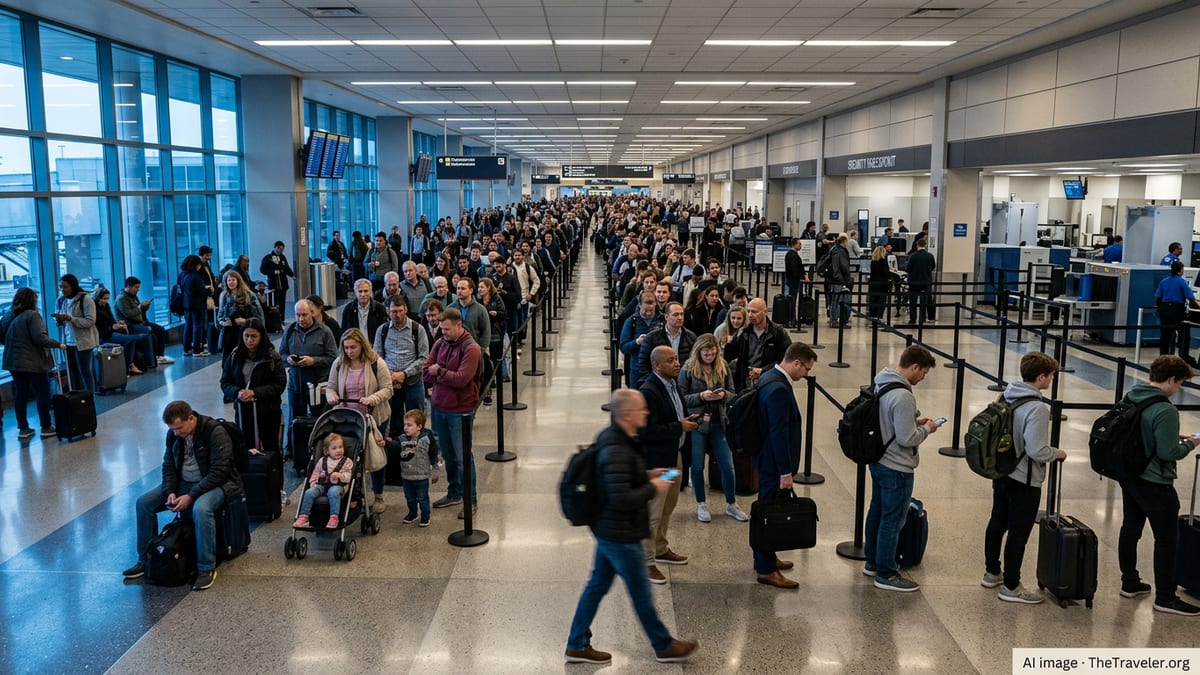
Government warning highlights nationwide strike on 11 November
According to the latest update to the UK government’s Spain travel advice, issued on 10 November, a national strike has been called in Spain for Wednesday 11 November, with disruption expected across the country’s transport network. Publicly available information indicates that rail services are likely to be among the worst affected, with cancellations and reduced frequencies anticipated on both regional and long distance routes.
The advisory notes that anyone due to travel on the day of the strike should check the status of their journey before setting off, particularly if they are relying on trains to connect from airports such as Madrid Barajas, Barcelona El Prat, Málaga or Valencia into city centres. Travellers with non flexible tickets are being advised in media reports to review refund or rebooking policies closely, as operators may offer fee free changes around the strike date.
The warning also points out that knock on effects could continue beyond 11 November, especially on busy intercity corridors such as Madrid to Barcelona and Madrid to Seville, where trains are often heavily booked in advance. Some coverage suggests that passengers already holding tickets for that date are considering switching to alternative days or modes of transport, raising the risk of crowding on services before and after the strike.
Airports themselves are not formally included in the national rail strike, but reports indicate that access roads, local buses and commuter trains serving major hubs could be affected. Britons booked on early morning or late evening flights are being encouraged to allow extra time to reach the airport and to monitor airline updates in case of schedule adjustments.
Border queues expected as new biometric checks bed in
Alongside industrial action, British visitors are being warned about possible delays at passport control as new biometric border checks for non EU nationals continue to roll out at Spanish airports and ferry ports. Recent reports from European travel outlets note that Spain has pressed ahead with enhanced digital entry procedures for third country arrivals, including fingerprinting and facial image capture on first entry.
For UK passport holders arriving in Spain, this means that the first trip under the new system is likely to take longer than in previous years, particularly at busy terminals handling large numbers of non EU flights. Travel commentary from late October highlighted early bottlenecks at some Schengen external borders as passengers became familiar with the extra steps involved.
The UK travel advice for Spain now recommends that British nationals allow additional time at border control, especially during peak holiday periods and on strike affected days when staff and passenger flows may be disrupted. Airlines are publicly advising passengers to arrive earlier than usual for departures to Spain where airport operators anticipate longer security and check in queues feeding into already busy border channels.
Spain’s participation in the wider European Entry/Exit System means that UK visitors can still stay visa free for up to 90 days in any 180 day period, but they should ensure passports are stamped correctly and meet standard Schengen validity rules. Travellers planning multiple trips over the winter are being encouraged to keep a careful record of days spent within the Schengen area to avoid overstaying allowances.
Local protests, weather and recent incidents add to disruption risk
Beyond nationwide strike action, the UK’s Spain guidance continues to flag the possibility of sudden demonstrations and protests in major cities, which can lead to road closures and delays to public transport. Recent coverage of education and public sector protests in Madrid, for example, has described temporary blockades of key routes into the capital, resulting in long tailbacks and missed connections for commuters and visitors.
Travel advisories also highlight the impact of seasonal weather hazards, including flash flooding in parts of eastern and southern Spain. The Spanish meteorological agency has issued several episodes of heavy rain alerts this autumn, with previous storms causing localised road closures, disrupted bus routes and delayed regional trains in coastal provinces.
In early November, the UK foreign travel advice incorporated updated information following a high speed rail collision near Toledo, underlining the importance of monitoring local news and operator announcements before travelling by train. While high speed services remain a key way to move between Spanish cities, the incident has prompted renewed emphasis on checking live service updates on the day of travel.
British travellers heading to resort areas in regions such as Catalonia, Valencia, Andalusia and the Balearic Islands are being reminded that disruption is not confined to big cities. Heavy rain, local strikes or road incidents can also affect transfers between airports and coastal towns popular with package holidaymakers and independent travellers.
What Britons should do before and during their trip
Publicly available guidance from the UK government and consumer travel organisations stresses the importance of checking multiple sources of information before travelling to Spain in the coming days. This includes reviewing the Spain page of the UK foreign travel advice, monitoring airline and rail operator channels for strike updates, and following local transport operators once in country.
Travellers are being encouraged to keep digital and paper copies of key documents such as passports, travel insurance policies, booking confirmations and boarding passes. If journeys are disrupted, having these to hand can speed up rebooking with airlines, rail companies or accommodation providers, particularly where staff are dealing with long queues of affected passengers.
Those with tight connections, such as separate flight and train tickets or onward ferries, are being advised to build in extra buffer time or consider more flexible options where possible. Reports on consumer travel sites suggest that some airlines and rail operators are allowing itinerary changes around the strike period, though conditions vary by company and fare type and should be checked directly with the provider.
Travel insurers typically expect policyholders to take reasonable steps to minimise disruption, which can include travelling earlier to the airport, accepting alternative routes or rebooking where it is offered. Passengers are being urged to retain receipts for any additional expenses, such as extra nights of accommodation or food during delays, in case these can be reclaimed under insurance or passenger rights rules.
Key contacts and information sources for travellers
The Spain travel advice notes that British nationals can obtain further general information once in Spain via national information helplines published by the Spanish authorities. In addition, many regional transport operators, including metro systems in Madrid and Barcelona and major intercity rail providers, now maintain active social media feeds where they post disruption alerts in real time.
Before departure, Britons can consult the UK government’s foreign travel advice pages for both Spain and any transit countries such as France or Portugal, as connecting journeys may be affected by industrial action or weather on both sides of the border. Travel industry reports indicate that some cross border rail and coach services are adjusting schedules around the Spanish strike date, so passengers with multi leg itineraries should pay particular attention to timings.
Consumer media coverage also recommends that travellers sign up for airline or tour operator notifications, which are often sent by text message or app push alert in the event of schedule changes. At airports and stations, passengers are being reminded to check both electronic boards and audible announcements regularly, as last minute platform changes and gate moves are common during disruption.
With Spain remaining one of the most popular destinations for UK holidaymakers and winter sun seekers, the expectation from travel analysts is that many trips will still go ahead this week. However, the combined impact of nationwide strikes, tougher border checks and localised disruption means that preparation, flexibility and up to date information will be essential for Britons hoping to keep their journeys as smooth as possible.