


More news on this day
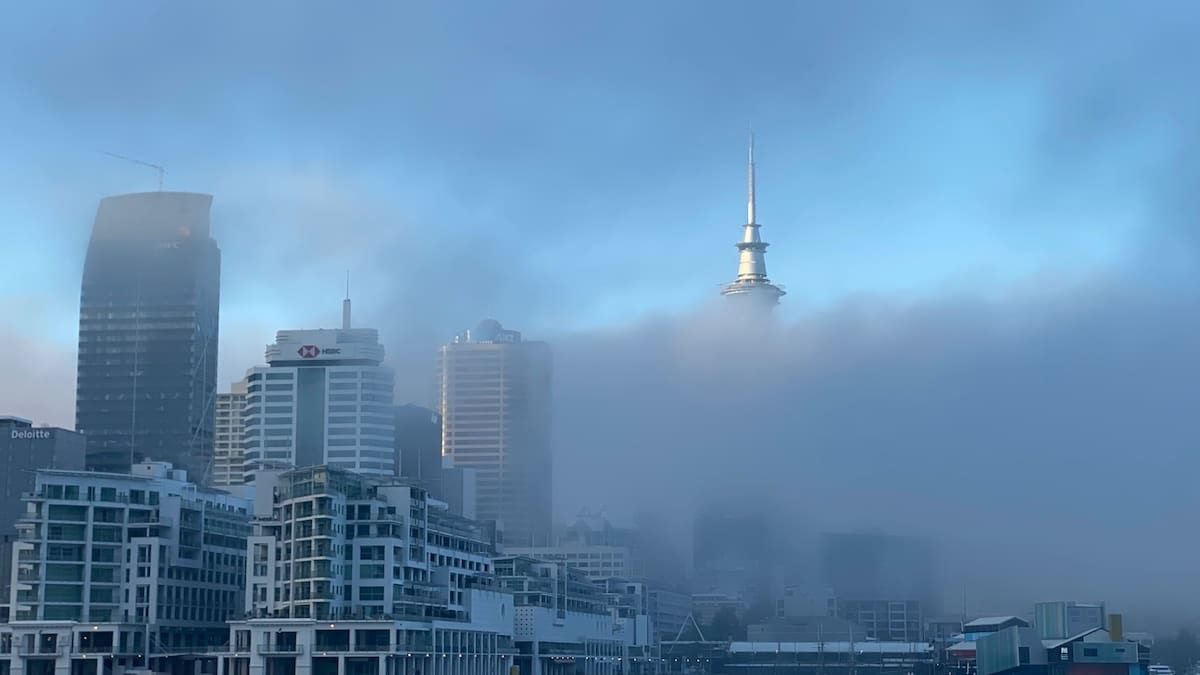
A dense fog warning in force across parts of England and Wales has disrupted operations at several major UK airports this week, with reduced visibility prompting flight cancellations, diversions and early-morning delays for thousands of passengers.
Get the latest news straight to your inbox!
Weather Warning Brings Hazardous Flying Conditions
Publicly available information from the Met Office indicates that a yellow fog warning has been in effect from late Sunday 8 November into the morning of Tuesday 10 November 2026, covering swathes of central and southern England as well as parts of Wales. Forecast data shows visibility dropping below 100 metres in some locations, creating difficult conditions for both aviation and road transport.
Reports indicate that the thickest fog developed during the early morning hours on Monday 9 November and Tuesday 10 November, coinciding with peak departure and arrival banks at the UK’s busiest airports. While the warning zone has shifted slightly from day to day, the corridor from London and Luton northwards toward Manchester has seen some of the lowest visibility readings.
Coverage from UK media outlets highlights that the current fog episode follows several days of locally dense patches, with the Met Office repeatedly cautioning of slower journey times and a risk of delays to air, rail and road services. For air travel, the key challenge has been maintaining safe separation between aircraft when runway visual range drops below defined thresholds.
Travel reports also note that the lingering fog has combined with light winds and temperature inversions to trap pollutants near the surface, leading to a “high” air pollution alert in London on Tuesday 10 November. That alert adds another layer of concern for local residents and visitors planning outdoor activities.
Heathrow and Gatwick See Cancellations and Delays
London Heathrow, the UK’s busiest airport, has seen some of the most visible disruption. Published coverage from European and UK news outlets indicates that more than 40 flights were cancelled on Monday morning, 9 November, as dense fog settled over west London and reduced runway visibility for arriving and departing aircraft. Additional services operated with delays while air traffic control reduced movement rates for safety.
Flight-tracking data referenced in media reports suggests that a mix of short-haul European services and some longer-haul arrivals were affected, with certain inbound aircraft holding over southeastern England before being rerouted to alternative airports when conditions failed to improve quickly enough. Passengers on early-morning departures faced check-in queues and rebookings as airlines adjusted their schedules.
At London Gatwick, south of the capital, publicly available travel alerts have pointed to early-morning delays linked to poor visibility and low cloud, though on some days the fog has been less persistent than at Heathrow. Operators at Gatwick have reduced take-off and landing rates at periods when the fog thickened, prompting knock-on delays through the mid-morning schedule even after visibility began to recover.
Air travel advisories compiled for the current weather event consistently urge passengers to reconfirm flight status with their airline before setting out for Heathrow, Gatwick or any other airport within the warning zone, as conditions and schedules can change at relatively short notice when fog banks move across approach paths.
Regional Airports Affected by Diversions
Regional airports across England and Wales have also been drawn into the disruption, both as departure points affected by dense fog and as diversion fields for flights unable to land at their original destinations. Coverage from outlets including Sky News and regional newspapers notes that Bristol Airport experienced cancellations, delays and diverted arrivals on Monday 9 November after thick fog settled over the West of England.
Reports indicate that some flights bound for fog-affected airports in southern England were rerouted to alternates where visibility remained above landing minima, with Bristol, Manchester and other regional hubs among the beneficiaries. Such diversions are a standard safety response when local conditions fall below the thresholds required for instrument approaches, particularly for operators and aircraft without the most advanced landing aids.
Further north, the yellow fog warning has at times stretched from Luton towards Manchester, leading to slower operations and isolated delays at airports along that corridor. Publicly available information shows that while not every airport within the warning area has experienced widespread cancellations, reduced visibility has required more conservative spacing between aircraft, affecting on-time performance even where flights have ultimately operated.
Travel alerts prepared by independent aviation and mobility services suggest that the pattern of disruption has been highly variable from hour to hour, with some airports clearing rapidly once the sun gains strength, while others remain affected by lingering pockets of low cloud and mist well into late morning.
Impact on Passenger Journeys and Ground Transport
The fog-related disruption has not been limited to the skies. Public information issued by transport providers highlights that reduced visibility on major roads has slowed traffic to and from airports within the warning zone, adding extra time to journeys for passengers and staff. Sections of motorways and A-roads serving Heathrow, Gatwick, Luton and Bristol have all reported slower-than-normal conditions during the morning peak.
Rail and coach operators serving these airports have also warned of potential knock-on delays, as dense fog has required more cautious driving conditions for road-based services and, in some cases, has affected signalling visibility on rail routes. While core rail timetables have largely remained intact, journey planners advise travellers to allow additional time for transfers between central-city stations and airport terminals.
Travel coverage in UK media underscores that passengers experiencing diversions or missed connections may face extended waits for hotel accommodation or onward transport, particularly at times when multiple flights divert to the same airport. Availability of nearby rooms and last-minute rail tickets can tighten quickly during concentrated disruption events.
Airline and airport guidance reviewed in public sources consistently recommends that passengers keep digital boarding passes, booking references and contact details for their airline at hand, enabling faster rebooking if schedules change due to poor visibility or displaced aircraft.
What Travellers Should Expect in the Coming Days
Forecasts referenced in national and regional coverage suggest that the fog risk may persist in pockets across England and Wales as long as nights remain cool and winds light. The Met Office has signalled that similar conditions could redevelop on clear evenings, with fog forming late at night and gradually lifting through the late morning hours.
For air travellers, this pattern means the greatest risk of disruption is likely during early-morning arrival and departure waves, especially at airports located in river valleys or low-lying terrain. UK aviation data shows that hubs such as Heathrow, Gatwick, Stansted, Luton, Manchester and Bristol handle dense banks of short-haul flights in these periods, leaving limited slack in the system when visibility suddenly drops.
Publicly available planning guidance advises passengers booked on early flights over the next few days to monitor weather updates, check their airline’s app or website regularly and build extra time into journeys to the airport. Those with flexible tickets may wish to consider switching to mid-morning or afternoon departures on days when a fog warning is in place, as the probability of improved visibility is often higher later in the day.
With the current event following several other episodes of autumn fog, travel analysts cited in recent coverage note that UK aviation remains particularly sensitive to visibility-related disruption at this time of year. While airports and airlines continue to invest in upgraded landing systems and operational procedures, periods of dense fog like this week’s reminder that some weather risks cannot be removed entirely, only managed with caution and contingency planning.