


More news on this day
British travellers heading to Spain this week are being advised to prepare for severe disruption on Wednesday 11 November, after the UK Foreign, Commonwealth & Development Office (FCDO) highlighted a planned 24-hour national strike expected to impact rail, air and urban transport services across the country.
Get the latest news straight to your inbox!
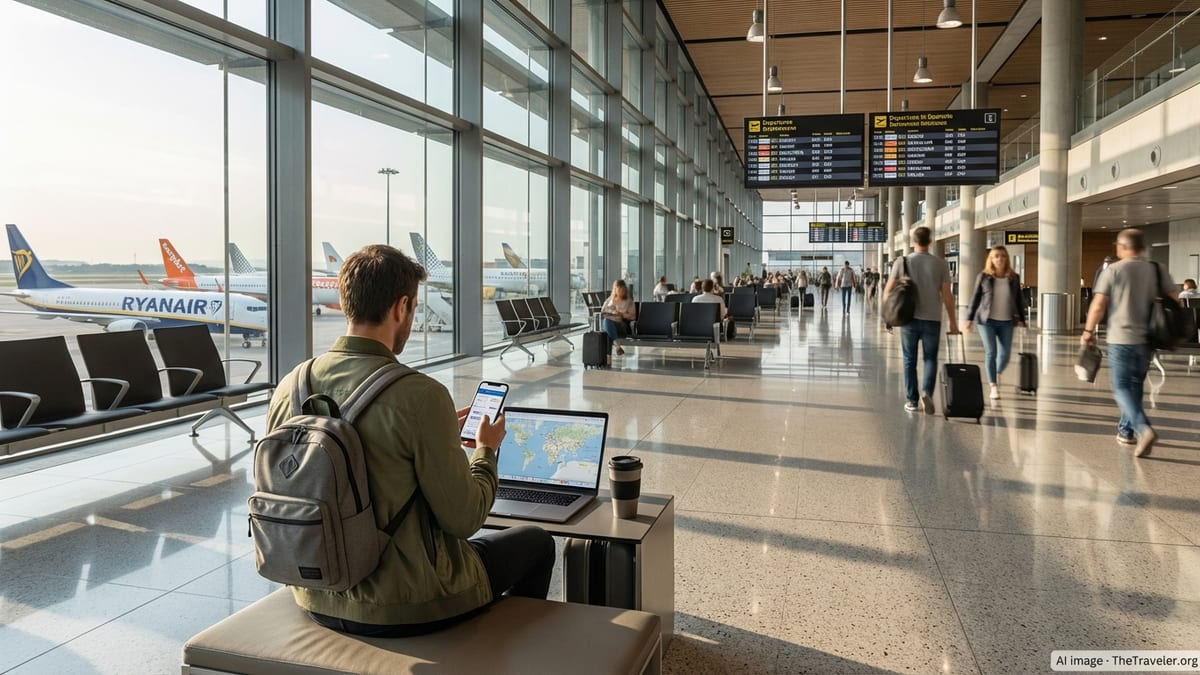
Updated FCDO advice highlights nationwide industrial action
According to the latest Spain travel advice published on the UK government’s website on 10 November 2026, new information has been added about a national strike planned for 11 November, with warnings that it is expected to affect transport systems throughout the day. The notice appears in the warnings and insurance section of the guidance, which is regularly updated to flag short-term risks for British nationals abroad.
The update follows confirmation from Spanish unions of a general strike running for 24 hours, making it one of the most wide-ranging pieces of industrial action in Spain in recent years. Travel industry coverage indicates the strike is scheduled to begin at midnight and continue until 23:59 on 11 November, covering an entire operating day for most rail, metro and bus services.
Publicly available summaries of the FCDO advice state that travellers should check with their airline, tour operator or transport provider before setting off and be prepared for last-minute changes. The wider Spain advice also continues to underline that demonstrations and strikes can take place with limited notice in major cities and may lead to traffic congestion, diversions and the closure of some public facilities.
The United Kingdom is advising travellers to monitor local media and official channels in the run-up to and during the strike period. The general security guidance for Spain remains unchanged, but the specific reference to a national strike on 11 November signals an elevated risk of disruption rather than a change in assessment of overall safety conditions.
Transport networks expected to run reduced services
Reports from travel industry publications and foreign travel advisories suggest that Spain’s rail network is likely to see significant disruption, including cancellations and reduced frequencies on long-distance and regional routes. Early assessments point to “minimum services” being put in place on certain lines, in line with Spanish regulations that require a basic level of transport provision during nationwide strikes.
Urban and suburban services in major cities such as Madrid and Barcelona are also expected to be affected. Metro and commuter rail operators typically adjust timetables during industrial action, which can lead to severe crowding on services that do run, longer waiting times on platforms and extended journey times across metropolitan areas.
Air travel may also experience knock-on effects. While airports are expected to remain open, strike participation by ground handling, baggage or security staff can cause delays at check-in, security screening and baggage reclaim. Some airlines may reschedule or consolidate flights in advance to mitigate the impact, while others could face day-of disruption if staffing levels are lower than planned.
Road traffic in and around major hubs is forecast to be heavier than usual as residents and visitors seek alternatives to public transport. Travellers heading to ports or cruise terminals on 11 November are being encouraged in public advisories to allow extra time and to confirm any coach or transfer bookings well in advance.
Advice for UK travellers with imminent plans
For UK holidaymakers and business travellers already in Spain or due to arrive on 11 November, publicly available information from government and travel industry sources recommends building additional time into all journeys and keeping itineraries flexible. Those with non-refundable rail tickets may wish to check the latest policy information from operators, as strike days in Spain sometimes trigger options for rebooking or refunds.
Passengers with flights to or from Spanish airports on 11 November are advised to keep a close eye on departure boards, airline apps and email or text alerts. Many carriers publish disruption updates on the day before or the morning of a strike, including any changes to flight times, check-in opening hours or baggage policies.
Travellers with tight connections between different modes of transport, such as rail-to-airport links, face a heightened risk of missed departures if services are reduced. The UK government’s general travel guidance encourages passengers to have contingency plans, which in this case might include earlier trains, alternative bus services, licensed taxis or, where feasible, overnight stays near key departure points.
Package holiday customers are being directed by consumer-facing travel coverage to stay in close contact with their tour operators, who are responsible for adjusting schedules where necessary and providing information on local arrangements. Independent travellers are instead being urged to track updates from carriers and local authorities and to keep essential documents, including tickets and booking confirmations, readily accessible in case plans need to be rearranged at short notice.
Wider context of industrial unrest and security guidance
The general strike comes against a backdrop of ongoing industrial and social tensions in parts of Europe, where transport walkouts and protests have periodically disrupted travel over the last several years. Recent advisories from other national foreign ministries, including Australia’s Smartraveller service, have also highlighted the potential for demonstrations and strikes in Spain to affect traffic and public transport.
Despite the expected disruption, the broader travel advisories for Spain from the United Kingdom, the United States and other governments continue to present the country as a popular but busy destination where visitors should stay alert to both everyday risks and occasional industrial action. Official guidance emphasises that strikes, marches and large gatherings can develop quickly, especially in urban centres, and may coincide with peak tourist movement.
The 11 November action is expected to be particularly visible because it is described in public reporting as a general strike involving several major unions and sectors. While the focus for many domestic observers is on wages, housing costs and working conditions, the immediate concern for visitors is the short-term impact on mobility and logistics.
Security-related sections of foreign travel advice for Spain, which are separate from industrial action notices, continue to refer to the possibility of terrorist attacks, petty crime in busy tourist areas and seasonal weather hazards. Travellers are encouraged to combine this broader safety guidance with the specific warnings related to the strike when making decisions about their movements on and around 11 November.
Practical steps for minimising disruption
For those who cannot avoid travelling in Spain on 11 November, public advisories and transport operator statements outline a number of practical steps that can reduce the risk of serious disruption. These include travelling earlier in the day where possible, avoiding unnecessary same-day connections, and confirming in advance whether tickets can be used on alternative services or dates if trains or buses are cancelled.
Booking flexible or fully refundable fares, particularly on domestic rail and bus routes, can provide a safety net if services are reduced or rescheduled. For accommodation, some hotel and rental providers offer free or low-cost date changes within a limited window, which may be useful for travellers whose onward transport is affected by the strike.
Car hire may offer an alternative for certain routes, but visitors are advised in official guidance to familiarise themselves with Spanish driving regulations, toll systems and parking restrictions, as well as to allow for heavier traffic on strike days. Those considering taxis or private transfers are encouraged to book only licensed services and to agree fares in advance where meters are not in use.
Above all, the latest FCDO update underscores the importance of monitoring reliable information sources throughout the strike period and being ready to adapt plans. With a national, 24-hour stoppage expected to affect multiple modes of transport, travellers who build in extra time and maintain flexible arrangements are likely to be best placed to navigate Spain on 11 November with fewer delays.