


More news on this day
The UK government has updated its travel and safety guidance ahead of June 30, warning of potential disruption and localised unrest as large-scale protests are planned in several cities and transport hubs.
Get the latest news straight to your inbox!
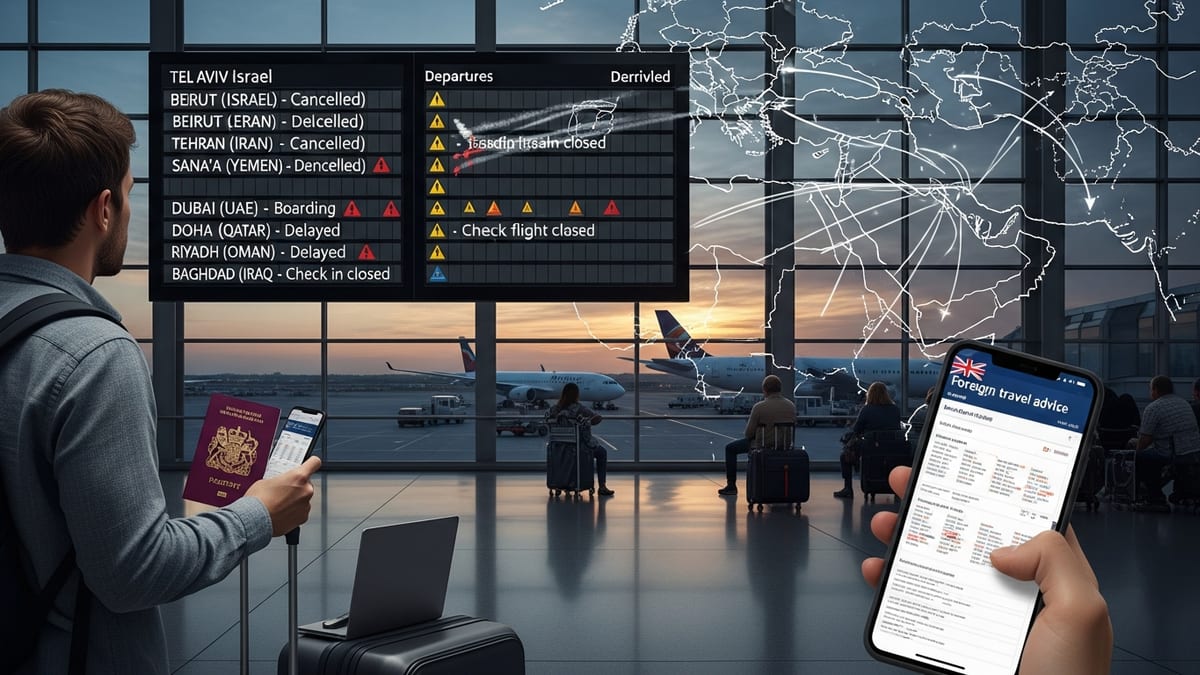
Government guidance highlights risk of disruption
Publicly available government travel and safety advice now highlights June 30 as a date when protest activity is expected to intensify in parts of the United Kingdom. The guidance indicates that demonstrations could affect major urban centres, with a particular focus on London and other large cities where protest organisers have signalled plans for coordinated marches and rallies.
The latest advisory notes that protest routes and timings may change at short notice, increasing the likelihood of unplanned road closures, crowding at public transport interchanges and delays for both domestic and international travellers. Travellers are urged to monitor local information sources on the day, allow additional time for journeys and be prepared to adjust plans if key routes are blocked.
Updated material in the official guidance also reiterates that protests can turn confrontational, even when promoted as peaceful. Travellers are advised to avoid the vicinity of large gatherings, refrain from attempting to cross through dense crowds to reach onward connections and follow any visible safety or crowd-control instructions that may be in place at stations, airports and key landmarks.
Heightened security context and protest landscape
The June 30 warning comes against a backdrop of heightened concern about public order and security in the UK. Recent reporting shows that the Joint Terrorism Analysis Centre increased the national threat level from substantial to severe in late April, indicating an assessment that an attack is now considered highly likely. This change has already led to more visible policing and security checks in busy public places, and large protests are expected to draw additional resources.
Coverage of recent demonstrations in London, Belfast and other cities has highlighted a volatile protest environment in which marches over migration, the Middle East and domestic political grievances have attracted large crowds and, in some cases, counter-protests. Reports indicate that even when the majority of participants remain peaceful, isolated incidents of vandalism, intimidation or clashes with bystanders can develop quickly, particularly in confined spaces such as shopping streets and transport gateways.
Civil liberties groups and international observers have also noted the impact of new UK protest legislation introduced this year, which expands police powers to place conditions on demonstrations considered highly disruptive. Human rights organisations argue that these measures risk escalating tensions between protesters and the state, particularly on days like June 30 when multiple groups plan simultaneous actions.
Impact on transport, tourism and local business
Travel and transport operators are preparing for potential disruption around June 30, particularly in central London and other city centres where demonstrations are expected to converge on government districts and symbolic sites. Industry bulletins and media reports suggest that bus routes could be diverted, some central roads temporarily closed and access to key rail and underground stations intermittently restricted for safety reasons.
Travel insurers and risk consultancies note that protest-linked disruption can affect a wide range of itineraries, from airport transfers to pre-booked tours and theatre visits. Visitors planning day trips or tight connections through central areas are encouraged to build in additional time, identify alternative routes and check real-time travel information on the morning of travel. For those arriving or departing on June 30, the main risk is likely to be delays rather than long-term cancellations, although localised stoppages cannot be ruled out if crowds are larger than expected.
Tourism businesses in major cities are monitoring protest plans closely. While most attractions are expected to remain open, operators may adjust opening hours or entry arrangements if nearby demonstrations grow or if surrounding streets are closed. Travellers are advised to confirm bookings directly with hotels, tour providers and attractions on or shortly before June 30, particularly where activities are scheduled in government districts, civic squares or traditional protest routes.
Advice for UK domestic and international travellers
Current UK guidance does not discourage travel within the country on June 30 but encourages a cautious and flexible approach. Travellers are advised to avoid unnecessary time in areas where protest marches are advertised to assemble or disperse, such as major central squares, parliamentary districts and large public parks commonly used for rallies.
Safety agencies recommend several practical steps for those who must move through affected areas. These include carrying identification, keeping valuables out of sight, staying aware of exit routes from crowded spaces and avoiding engagement in political arguments or recording confrontations at close range, which can draw individuals into volatile situations. Families travelling with children or older relatives are encouraged to plan routes that minimise time in dense crowds and to agree meeting points in case of separation.
International visitors transiting through the UK on June 30, particularly via London, are advised to check their airline or rail operator’s latest updates and to factor in possible delays between city centres and airports or long-distance stations. Those with evening departures should consider leaving extra time to travel out of central areas before the main peak of after-work demonstrations.
How travellers can stay informed on June 30
Publicly available information suggests that protest organisers and local authorities will continue to refine plans for June 30 in the days leading up to the demonstrations. Travellers are therefore urged to treat the situation as fluid and to rely on multiple independent sources when assessing risk or adjusting itineraries on the day.
Before setting out, travellers can review official safety and travel advice for the UK, and then use reputable news outlets, live travel bulletins and operator announcements to track any emerging hotspots or route closures. Social media can provide early indications of crowd movements but may also amplify rumours, so cross-checking information against established news and transport channels is recommended.
For those already in city centres when protests begin to build, guidance generally suggests moving away from large gatherings, avoiding side streets where crowds are tightly compressed and seeking calm indoor spaces such as shops, museums or transport concourses until it is safe to continue. By remaining informed, allowing extra time and avoiding protest flashpoints, most travellers are expected to be able to continue with journeys and visits on June 30, albeit with the possibility of delays and short-notice detours.