


More news on this day
The United Kingdom has joined Ireland, Germany and France in a new cross-border tourism initiative that combines romantic poetry, rail journeys and long-distance walking and cycling routes to position Europe as a leading destination for slow, literary themed travel in 2026 and beyond.
Get the latest news straight to your inbox!
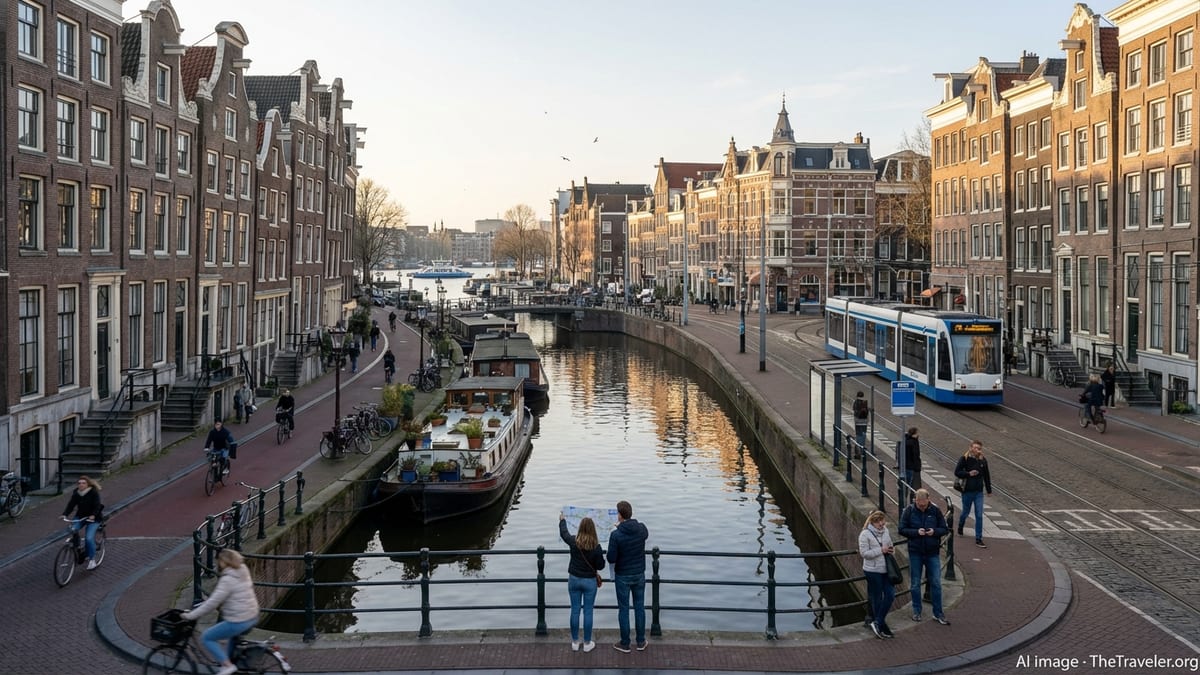
A Cross‑Border Network of Romantic Routes
Publicly available information indicates that national and regional tourism bodies in Ireland, Germany, France and the United Kingdom are aligning existing literary trails, cultural festivals and rail itineraries under a shared romantic poetry and slow travel banner. The project brings together river valleys, coastal paths and historic cities that already attract visitors for their literary heritage, repackaging them as part of a coordinated European experience.
The network draws on well established walking and cycling corridors, including long distance paths and EuroVelo cycling routes that already connect Ireland to the United Kingdom and on to continental Europe. These routes pass through capital cities and smaller cultural hubs, allowing visitors to follow in the footsteps of poets while moving at a measured pace through landscapes that inspired their work.
Rail travel is positioned as a central element of the offer, reflecting renewed interest in night trains and cross border services as an alternative to short haul flights. Travel features in recent years have highlighted the appeal of slow rail journeys through France and Germany for couples seeking a more reflective style of trip, a trend the new initiative aims to amplify by pairing classic train itineraries with poetry themed stops, readings and events.
According to published coverage, the collaboration is being framed as an answer to demand for lower impact travel that still delivers a sense of romance and escapism. By encouraging visitors to spend more time in fewer places, the partners are promoting longer stays in regional destinations and out of peak season, linking literary culture to broader sustainability goals.
United Kingdom Links Literary Landscapes to Europe
The United Kingdom’s role in the initiative focuses on stitching together its own rich literary landscapes with routes that run onward to Ireland and mainland Europe. Existing walking paths that cross England and Scotland and connect with ferry and rail terminals are being promoted as part of a wider romantic corridor, encouraging visitors to combine coastal hikes, moorland walks and historic university towns with continental rail journeys.
Poetry themed experiences in cities such as London, Oxford, Cambridge and Edinburgh are expected to act as key nodes within the network. Museums, historic libraries and university campuses that already offer self guided literary trails are being repositioned as starting or finishing points for multi country itineraries that could take travelers from British romantic sites to French castles, German riverscapes and Irish coastal villages.
Reports indicate that UK based rail and tour operators are also adapting existing “romance by rail” products to fit the new pan European framework. These offers typically combine first class or scenic rail segments with boutique accommodation and time for independent exploration in historic neighborhoods, cafes and parks associated with well known poets. The new initiative encourages operators to foreground cross border continuity, making it easier for visitors to link a British leg with follow on travel to Ireland, France or Germany.
Industry analysis suggests that the UK’s participation may also help draw long haul visitors from North America, where interest in European romantic rail travel and literary tourism has been rising. By presenting the network as a single, flexible product, the partners are aiming to persuade visitors to extend stays and include multiple countries within one slow, poetry themed journey.
Ireland’s Literary Trails and Atlantic Romance
Ireland brings a dense cluster of literary attractions and events to the collaboration, from Dublin’s role as a UNESCO City of Literature to smaller coastal festivals and poetry walks in rural counties. In recent months, Irish media and tourism bodies have drawn attention to new and proposed literary routes that would function as a “map” of national writing, connecting sites linked to canonical and contemporary authors.
Public documents relating to destination development planning reference the appeal of romantic pilgrim style journeys and slow travel along river corridors and historic byways. These plans emphasize walking and cycling routes that encourage visitors to move gradually through townscapes and countryside, stopping in villages, monasteries and lake districts associated with myth, folklore and poetry.
Literary festivals and one off poetry events are being treated as seasonal anchors for the new European network. Programmes such as poetry walks in heritage gardens, seaside literary gatherings and campus based theatre experiences inspired by Irish writers provide focal dates around which couples and culturally motivated travelers can build longer itineraries.
The integration of these experiences into a cross border romantic offer is intended to spread visitor flows more evenly across the year and across regions. By highlighting smaller venues and community driven projects alongside marquee city attractions, the initiative aims to distribute economic benefits and maintain the intimate, reflective character that slow travel advocates highlight as a key draw.
France and Germany Extend the Romantic Corridor
France and Germany contribute some of Europe’s best known locations for river journeys, vineyard landscapes and historic towns long associated with romanticism in art and literature. Published travel features often position night trains and regional rail lines through these countries as ideal settings for contemplative trips, combining window seat views of mountains and rivers with stops in cities that house literary archives, theatres and independent bookshops.
Germany’s established poetry and literature festivals, including major annual events in Berlin, provide ready made cultural anchors for the network. These gatherings typically programme readings, performances and translation workshops, creating opportunities for visitors to align travel dates with concentrated bursts of poetic activity and to explore surrounding neighborhoods at a slower pace between sessions.
In France, existing river cruise and rail itineraries along routes such as the Loire and Rhine valleys are being reframed as part of the romantic poetry offer, with emphasis on chateaux, historic gardens and former homes of writers that can be visited on foot or by bicycle. Tourism materials routinely highlight village markets, vineyard walks and quiet backstreets as integral to the experience, echoing the slow travel ethos that underpins the wider initiative.
By integrating these assets with UK and Irish routes, the partners are attempting to create a seamless story for travelers: arrive in Europe, move largely by train, foot or bicycle, and follow a loosely curated chain of poetic and romantic places that spans four countries without the need for frequent flights.
Slow Travel, Sustainability and the New Romantic Tourist
The project coincides with a broader shift in European tourism policy and consumer preference toward lower carbon, slower paced travel. Studies and strategy documents linked to national tourism agencies and academic research on slow tourism describe growing interest in journeys where the route itself, rather than only the destination, is the main attraction.
Within this context, romantic poetry offers both symbolism and structure. It provides a thematic thread that can connect disparate experiences, from a reading in a city park to a quiet evening in a coastal inn, while also invoking ideas of contemplation, emotional connection and close attention to place. The partners are using this framing to market itineraries that prioritize local food, smaller scale accommodation and extended stays in single regions.
Reports on recent visitor behavior in Europe suggest that travelers who identify as culturally motivated or literature focused often show a higher willingness to travel outside peak periods, participate in guided walks and pay for ticketed events. By targeting this segment, the new romantic network is expected to support year round employment in cultural institutions, festivals and rural hospitality businesses.
The initiative’s emphasis on public transport, walking and cycling also aligns with climate and congestion concerns in popular destinations. Promotional material encourages advance planning and off peak travel, while highlighting alternative towns and neighborhoods that sit away from the most crowded hotspots. The result is a narrative of romance that is closely tied to responsibility, positioning slow, poetry infused journeys across the United Kingdom, Ireland, Germany and France as a model for the future of European tourism.