


More news on this day
Thick early-morning fog has triggered a yellow weather warning across much of Northern Ireland on Tuesday 3 November 2026, with visibility in some areas reported below 100 metres and the risk of disruption for travellers.
Get the latest news straight to your inbox!
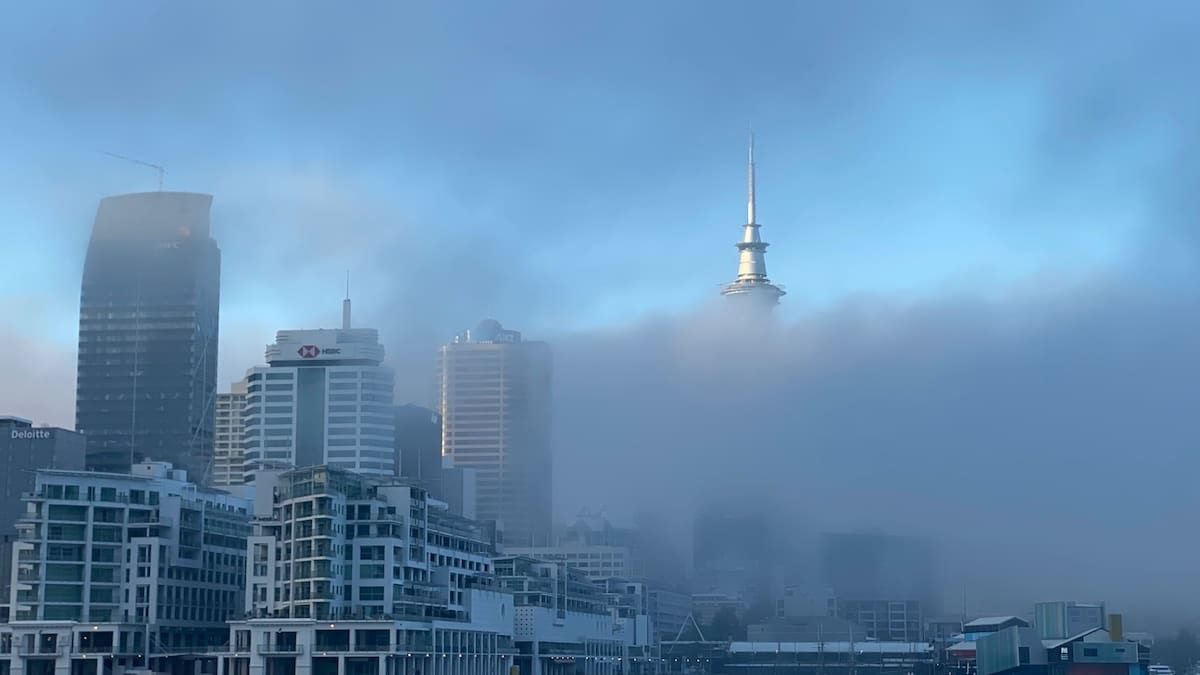
Yellow fog warning in place across six counties
Publicly available information from the Met Office shows that a yellow warning for fog is in force from 03:48 to 10:00 on Tuesday 3 November, covering all six counties of Northern Ireland: Antrim, Armagh, Down, Fermanagh, Londonderry and Tyrone. The alert highlights areas of dense fog, particularly in western parts of the region, where visibility may drop to less than 100 metres during the morning peak.
The warning notes that fog patches are expected to thin and clear gradually through the morning. However, low cloud and lingering mist are likely to persist in some sheltered inland spots, meaning difficult driving conditions could continue for a time even after the official warning period ends.
External forecast summaries point out that the alert is classified as yellow, the lowest tier in the United Kingdom’s severe weather warning system. Yellow warnings indicate that weather conditions may cause transport disruption or affect day-to-day routines, and that travellers should be prepared for slower journeys and possible changes to planned itineraries.
Additional guidance material on the warning system explains that yellow alerts for fog are typically issued when there is a reasonable likelihood of reduced visibility affecting roads, public transport and aviation, even if the overall risk to life is assessed as low.
Travel disruption risk for commuters and visitors
Travel bulletins from TrafficWatchNI for Tuesday 3 November align with the Met Office timing, highlighting the 04:00 to 10:00 window as a period of particular concern for motorists heading into Belfast, Derry/Londonderry and other major centres. Reports indicate that dense patches are most problematic on rural routes, higher ground and approaches to towns, where sudden shifts from clearer stretches to thick fog can catch drivers off guard.
Publicly available advice linked to the warning stresses that journey times are likely to be slower, with a risk of delays to bus and rail services where routes pass through the most affected areas. While no widespread cancellations were listed at the time of publication, the guidance recommends that passengers check service updates before setting out and allow extra time to reach stations or stops.
Aviation and ferry operations are also highlighted within the warning framework as potentially vulnerable to thick fog. Past yellow fog events in Northern Ireland and neighbouring regions have led to early-morning delays and occasional cancellations at airports when runway visibility falls below operational thresholds. For today’s event, local travel information services advise passengers flying from Belfast International, Belfast City or City of Derry Airport to monitor airline updates and be prepared for check-in or departure adjustments during the morning.
For visitors driving hire cars or touring by motorhome, particularly those unfamiliar with narrow rural roads, the combination of darkness in the early hours and sharp drops in visibility can be especially challenging. Travel reports recommend planning routes in advance, using major roads where possible, and avoiding last-minute detours along minor lanes until conditions improve.
Conditions on the ground: visibility and driving advice
According to the Met Office warning text, the primary hazard is sharply reduced visibility, with some locations expected to see distances cut to below 100 metres. Such conditions significantly increase stopping distances and make it harder to see junctions, bends, cyclists and pedestrians, particularly on unlit or partially lit roads.
Guidance reproduced across official and partner channels advises drivers to slow down, leave a greater gap to the vehicle in front, and use dipped headlights and front and rear fog lights where visibility is severely reduced. Motorists are also urged not to rely solely on daytime running lights, as these may not activate rear lamps, and to switch off fog lights once conditions improve to avoid dazzling other road users.
Travel information sites for Northern Ireland further recommend that road users check their vehicle’s lights before setting off, clear all windows of condensation and ice, and use demisters and air conditioning where available to keep glass free of fog. Drivers are also encouraged to avoid harsh braking and sudden manoeuvres, which are harder for others to anticipate when sightlines are short.
Those on two wheels, including cyclists and motorcyclists, face particular exposure in thick fog. Public safety advice suggests using high-visibility clothing and working rear lights, keeping speeds low, and considering whether non-essential journeys can be delayed until visibility improves later in the morning.
Knock-on impact for cross-border and regional travel
The impact of today’s fog is not confined to Northern Ireland. Met Éireann has issued status yellow fog warnings for several adjoining counties in the Republic of Ireland, including Donegal, Monaghan and parts of Connacht, with valid times that overlap the Met Office alert. For travellers crossing the border on main routes such as the M1/A1 between Dublin and Belfast or the A5 corridor toward Donegal, conditions may vary significantly over short distances.
Publicly available cross-border advisory pages note that dense fog can make road signs and junction markings harder to spot, increasing the likelihood of missed exits or sudden lane changes. Drivers heading between the two jurisdictions are encouraged to familiarise themselves with route numbers in advance and use updated in-car navigation rather than relying on distant signage that may be obscured.
Coach operators serving airport and city connections on both sides of the border typically build in some time contingency for adverse weather. Even so, those with tight onward connections, including rail departures or international flights, are being advised via service notices to choose earlier services where possible on mornings affected by fog.
Ferry passengers using ports such as Belfast, Larne and Warrenpoint may also notice timetable adjustments if visibility in coastal approaches is significantly reduced. While modern navigation systems allow sailings to continue in poor visibility, low speeds and altered approach patterns can lengthen crossing and docking times during periods of thick sea fog.
What the warning means for the days ahead
Forecast guidance associated with the Tuesday 3 November warning suggests that the worst of the dense fog should lift by late morning, with many areas seeing improved visibility and brighter conditions into the afternoon. However, with light winds and relatively cool, damp air in place, there is potential for patches of mist and fog to redevelop overnight in sheltered inland locations.
Met Office communication materials on the National Severe Weather Warning Service emphasise that yellow alerts are intended as a prompt to stay informed, rather than a signal for widespread shutdown of normal activities. Travellers are encouraged to keep checking updated forecasts, particularly during the autumn and winter months when overnight fog is more likely to form under clear skies.
For those planning trips over the coming days, the current pattern underlines the value of flexible itineraries. Travel planners highlight options such as choosing mid-morning departures when early fog is expected, allowing extra transfer time to and from airports, and considering refundable or changeable tickets on key legs of a journey.
Across Northern Ireland’s tourism sector, from hotel operators to visitor attractions, the focus during minor fog episodes is generally on helping guests adjust timings rather than cancelling plans altogether. With the present yellow warning expected to expire by 10:00 and conditions forecast to improve through the day, most leisure activities and onward journeys are likely to proceed, albeit with a slower-than-usual start for many early risers.