


More news on this day
The United Kingdom is maintaining a security warning for travellers heading to Italy, highlighting recent violent unrest in several northern cities and advising visitors to remain vigilant around protests and potential transport disruption.
Get the latest news straight to your inbox!
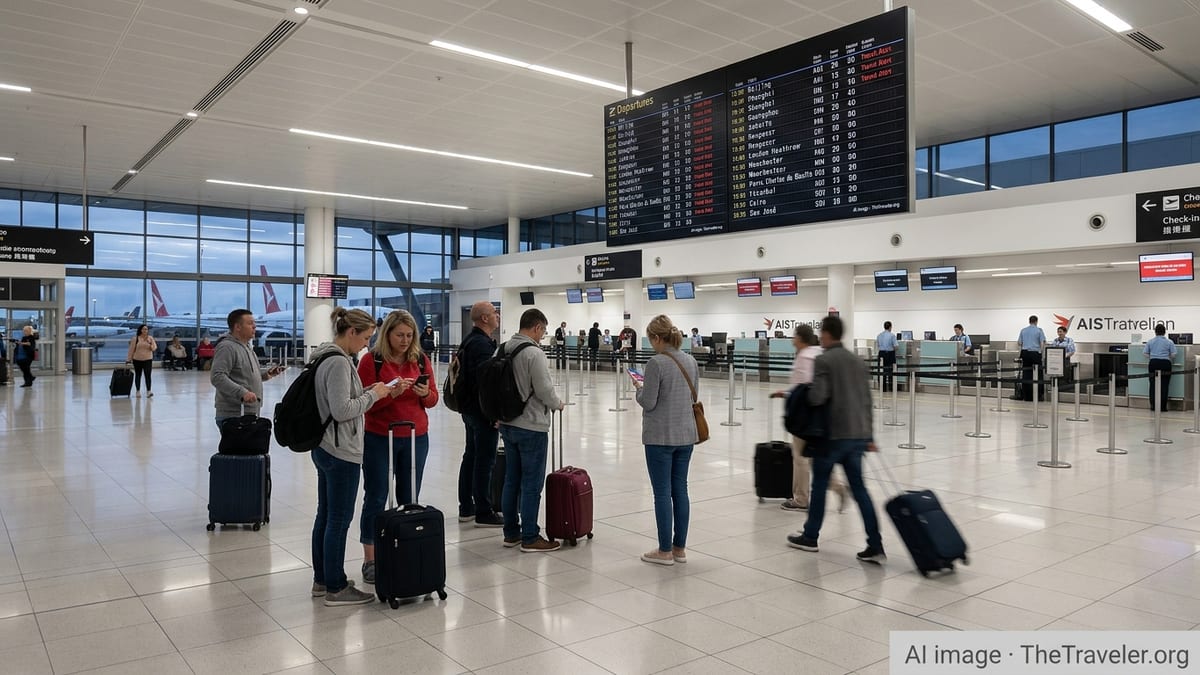
Updated UK guidance highlights violent riots and looting
According to the latest update on the UK government’s official Italy travel advice, revised on 3 November 2026, recent demonstrations in northern Italian cities have escalated into episodes of violent riots and looting. The advisory notes that protests have affected major urban areas, with a particular focus on Milan, and that further gatherings may occur with limited notice.
Publicly available information indicates that security forces have been deployed in greater numbers in some city centres, including an increased presence of police and military personnel in and around key sites in Milan. The advisory states that more demonstrations are possible and that conditions can change quickly, especially in districts where political rallies and social protests traditionally take place.
The wording used in the UK guidance refers specifically to “violent riots and looting,” a phrase that has drawn attention from British media and travel commentators. Coverage from national outlets in the UK notes that, despite the unsettling language, the overall travel advice level for Italy has not been raised to the highest categories used for countries facing large-scale conflict or systemic instability.
Other national travel advisories, including those issued by the United States and Canada, continue to characterise Italy as a destination where demonstrations and strikes are common and can sometimes turn confrontational, but they have not introduced the same emphasis on recent violent unrest as currently seen in the UK text.
Protests, strikes and disruption in northern Italian cities
Reports from Italy in recent weeks point to a combination of anti‑government protests, labour strikes and cost‑of‑living demonstrations that have taken place across parts of the country, with the most visible unrest concentrated in the north. These events have occasionally led to clashes with police, vandalism and damage to shopfronts, particularly where marches have passed through busy commercial districts.
Some demonstrations have coincided with national or sector‑wide strikes affecting rail, local public transport and, in certain cases, air travel. The UK travel advice warns that transport services may be cancelled or curtailed at short notice, a point echoed in advisories from other governments that flag the potential for sudden timetable changes when unions announce strike action.
Local media coverage in Italy indicates that most protests remain peaceful, but images of isolated incidents of looting and street violence have received wide attention and contributed to an atmosphere of concern among prospective visitors. City authorities in places such as Milan, Turin and Bologna have at times introduced temporary diversions, cordons and crowd‑control measures around central squares and key shopping streets.
Travellers planning to visit popular urban destinations are being encouraged by multiple advisories to follow local news and municipal announcements closely, particularly around major weekends, political anniversaries and periods when unions traditionally call for industrial action. Visitors arriving by train or domestic flight may find additional checks around stations and airports during periods of heightened tension.
What the current UK advisory means for travellers
The continued reference to violent unrest in the UK’s Italy travel advice has prompted questions among British holidaymakers with trips booked for late 2026. Publicly available guidance makes clear that the advisory is intended to help travellers make informed decisions, but it does not constitute a ban on visiting Italy, nor does it automatically invalidate existing bookings.
There is currently no blanket restriction on travel from the UK to Italy, and scheduled flights and train services between the two countries remain in operation. Travel industry reporting shows that airlines and tour operators have not announced widespread cancellations linked solely to unrest, although individual departures can be disrupted when local strikes or protests affect airport access or air‑traffic operations.
For those concerned about safety, insurers and consumer groups typically point out that standard travel insurance policies require travellers to heed official advice but rarely allow cancellation claims solely because of the existence of an advisory, unless the government explicitly advises against all but essential travel. At present, Italy is not listed in that category under UK guidance.
Instead, the advisory focuses on situational awareness. It recommends that visitors stay away from any political gatherings, avoid attempting to pass through active demonstrations and leave the area if they encounter large, agitated crowds. Travellers are also urged to allow extra time for journeys within large cities, particularly when moving between train stations, airports and central accommodation.
Practical safety tips for visitors heading to Italy
While the language about violent unrest may sound stark, many tourism‑focused analyses emphasise that most visits to Italy continue without serious incident. The majority of popular destinations, from Rome and Florence to Venice and the Amalfi Coast, remain open to international visitors, with museums, restaurants and hotels operating as normal outside protest flashpoints.
Travel security specialists and government advisories consistently stress the importance of simple precautions in an environment where demonstrations and occasional unrest are possible. Visitors are encouraged to monitor local news broadcasts, use official city and regional information channels where available and stay in close touch with their accommodation provider for updates about planned marches or strikes near their neighbourhood.
Travellers can also reduce risks by avoiding wearing or displaying items associated with local political movements, steering clear of protest routes and keeping valuables secure in crowded public spaces where the distraction of unrest can create opportunities for petty crime. In transport hubs, such as major railway stations in Milan, Rome and Naples, extra vigilance is advised when navigating busy concourses during days of planned industrial action.
Health and consular information from multiple countries also highlights the value of registering travel details with national foreign ministries where such services exist, so that updates about security developments can be delivered quickly by email or text if the situation changes. Visitors who rely on mobile apps for navigation and translation are advised to ensure devices are fully charged before heading into city centres where they may encounter diversions or road closures.
Outlook for winter travel and holiday bookings
As winter approaches and peak festive travel draws nearer, interest in trips to Italian cities and ski resorts typically rises among UK travellers. Industry commentators are closely watching whether the stronger wording in the UK advisory will significantly affect demand, particularly for short city breaks and Christmas‑market visits that often include time in northern urban centres.
So far, public booking data cited in travel reporting suggests that demand has softened slightly for certain cities directly associated with recent unrest, while remaining comparatively robust for coastal and rural destinations perceived as removed from protest hotspots. Airlines and rail operators continue to promote seasonal routes connecting the UK with Italian gateways such as Milan, Venice, Rome and Turin.
Analysts note that the trajectory of demonstrations over the coming weeks will play a major role in shaping sentiment. If protests remain sporadic and largely contained, attention may shift back to broader issues such as exchange rates, accommodation costs and capacity constraints at airports and ski areas. However, if further violent incidents occur in high‑profile tourist zones, pressure could grow for more restrictive guidance or for operators to adjust itineraries away from specific districts.
For now, the message from publicly available government and industry information is one of cautious continuity. Italy remains open to visitors, but those arriving from the UK are being urged to approach trips with heightened awareness of their surroundings, flexible plans and a willingness to adapt quickly should fresh unrest flare in the streets of major northern cities.