


More news on this day
The United Kingdom has lifted its warning against non essential travel to the United Arab Emirates, a significant shift in guidance that restores one of Britain’s most popular long haul destinations to the travel map after months of heightened regional tension.
Get the latest news straight to your inbox!
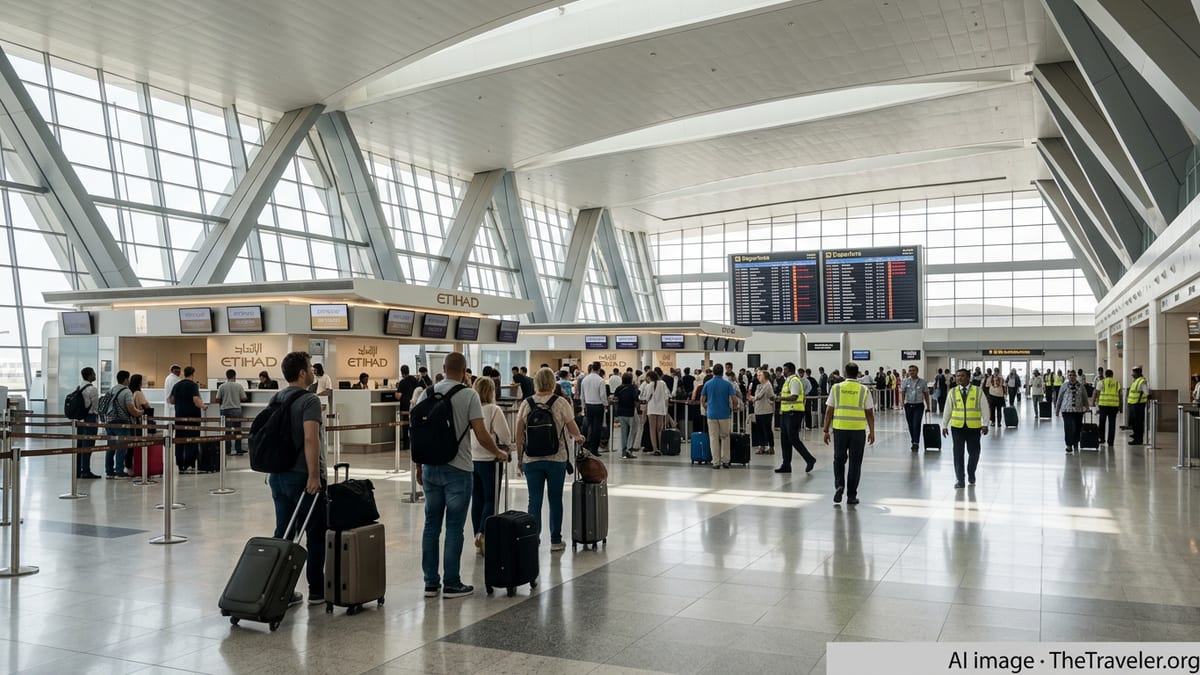
From “Do Not Travel” to Cautious Green Light
Publicly available Foreign, Commonwealth and Development Office (FCDO) advisories were tightened for the United Arab Emirates earlier this year following missile and drone strikes linked to the regional conflict involving Iran and Israel. At the time, British nationals were urged to avoid all but essential travel as aviation hubs and critical infrastructure in the Gulf faced elevated security risks.
Updated FCDO country pages now indicate that the blanket warning has been withdrawn. The change means there is no longer a broad recommendation against leisure trips to the UAE, although the advice continues to highlight a residual risk of terrorism and potential spillover from wider regional instability.
Travel industry analysts describe the move as a recalibration rather than a complete return to pre crisis normality. The UK appears to be aligning its position with a growing number of governments that have recently moderated their advisories for key Gulf destinations while still urging travellers to remain alert to a fast moving security environment.
The decision follows reports that a US brokered agreement with Iran has reduced the immediate threat of further large scale strikes in the Gulf. While the underlying politics remain fragile, the absence of recent attacks on Emirati territory is seen as a key factor behind the latest UK shift.
What the New UK Travel Advice Actually Means
The updated UK guidance removes the previous instruction that British nationals should avoid all but essential travel to the UAE, effectively reopening the door for tourism, business trips and stopover itineraries through airports in Dubai and Abu Dhabi.
However, the FCDO framework still encourages travellers to “check regularly for updates” and to review detailed security information on terrorism, local laws and regional tensions. The UAE remains in a category where heightened awareness is recommended, even in the absence of a formal warning against visiting.
Travel risk specialists note that a lifted warning does not imply the country is risk free. Instead, it signals that UK officials now judge the likelihood of a major incident affecting British travellers to be low enough that decisions on whether to travel can reasonably be left to individuals and travel providers.
Insurance companies and tour operators typically track such changes closely. In many cases, lifting an official warning makes it easier for standard travel insurance policies to cover trips to the UAE, which had become more complex when the higher level advisory was in place.
Impact on Airlines, Tourism and Gulf Connectivity
The easing of UK advice is expected to provide a boost to airlines operating between Britain and the UAE, particularly carriers that rely heavily on connecting traffic through Dubai and Abu Dhabi to Asia, Africa and Australasia. During the period of heightened warnings, some travellers opted to reroute through alternative hubs or postpone long haul trips altogether.
Emirati tourism boards and hotel groups are likely to welcome the updated stance, as UK visitors traditionally represent one of the largest inbound markets. Industry projections suggest that even a modest return of confidence could translate into a strong winter season, especially for Dubai’s beach resorts and Abu Dhabi’s cultural attractions.
Travel booking platforms are already highlighting a rise in search interest for UAE holidays following widespread social media attention to the change in guidance. Early indicators suggest that flexible bookings and free date change policies remain popular, reflecting lingering caution among travellers who are mindful of the region’s recent volatility.
Aviation analysts point out that Gulf hubs play a critical role in global connectivity, handling millions of transfer passengers each year. A more permissive UK advisory is likely to support both point to point traffic and onward connections, reinforcing the UAE’s role as a bridge between Europe, Asia and Africa.
How Travellers Should Prepare Under the Revised Guidance
While the overall warning has been lifted, publicly available information still highlights several practical precautions for anyone planning to visit the UAE. Travellers are advised to monitor official updates before departure and during their stay, particularly in relation to any renewed regional tensions that could affect airspace or transport infrastructure.
Risk briefings continue to underline the importance of understanding local laws and customs, which can differ significantly from those in the UK. Behaviour that might be considered minor misconduct elsewhere, including public displays of affection, comments on social media or possession of certain medications, can carry serious penalties under Emirati legislation.
Specialists also recommend that travellers ensure they have comprehensive travel insurance that explicitly covers the UAE and does not exclude claims linked to terrorism or regional conflict. Policies may treat such risks differently, and coverage terms often changed during the months when advisories were at their highest.
Registration with consular information services, where available, is widely encouraged by travel safety organisations so that travellers can receive direct alerts if the situation deteriorates again. In a region where conditions can shift quickly, timely information is considered one of the most valuable safeguards.
Regional Context and Remaining Uncertainties
The UK move comes as other governments also adjust their advisories for Gulf states. Recent updates from Australia and several European countries frame the UAE as open to travel but subject to a higher than average level of underlying geopolitical risk compared with many long haul destinations.
Security analysts caution that the wider Middle East remains volatile despite the apparent easing of immediate tensions that prompted earlier warnings. The February missile and drone attacks on the UAE are still viewed as a reminder that regional disputes can have rapid and far reaching consequences for aviation and tourism.
Against that backdrop, the lifting of the UK warning is being interpreted as a measured response to a tangible improvement in conditions rather than a declaration that the crisis is over. Industry observers expect the FCDO to retain a low threshold for reintroducing tighter guidance should there be any sign of renewed escalation.
For now, the change restores a degree of normality for British travellers and the airlines and destinations that depend on them, while keeping an explicit emphasis on personal responsibility and informed decision making in a part of the world where the security picture can still change at short notice.