


More news on this day
A widespread disruption to UK air travel triggered by a technical fault in National Air Traffic Services’ systems has prompted the government to order an independent probe, as airlines and airports worked through cancellations, diversions, and delays that stretched beyond the day of the outage.
Get the latest news straight to your inbox!
What happened and why it mattered
Published coverage indicates the disruption began on Tuesday, September 8, 2026, when NATS reported a technical issue affecting flight departures and, later in the day, identified the problem as being within its flight processing and flight data systems. The incident led to airspace flow restrictions designed to keep operations safe while traffic managers and controllers dealt with reduced system capability.
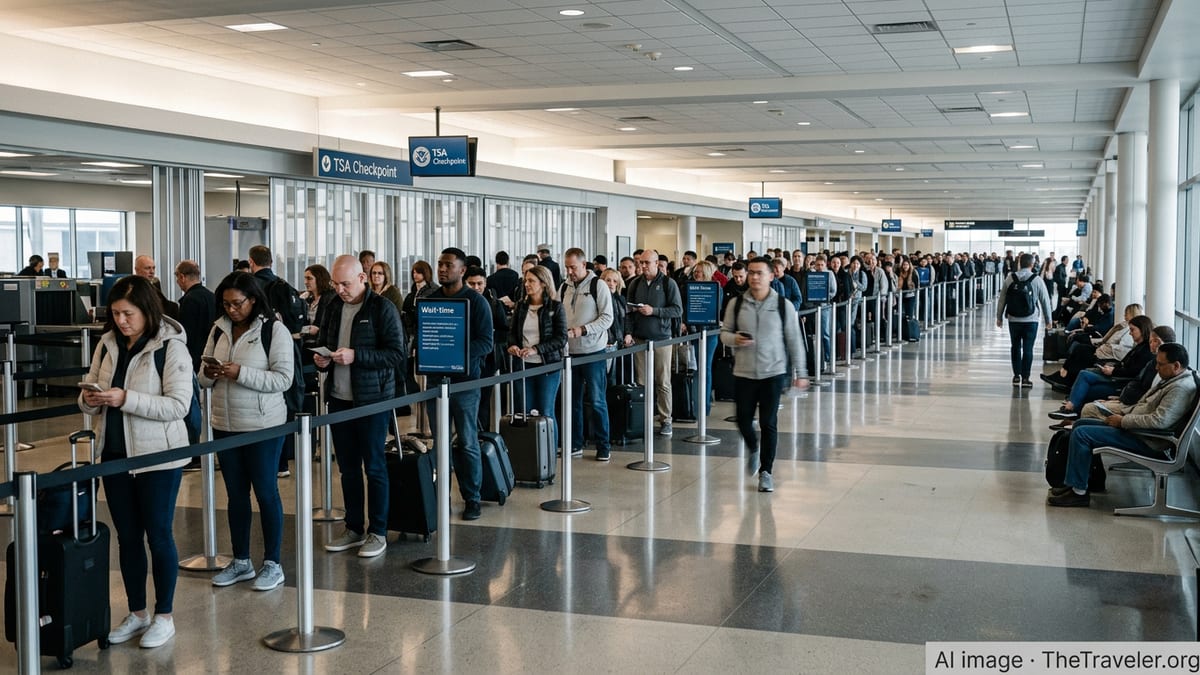
As the disruption rippled across the network, major airports were drawn into the knock-on effects. Public reporting cited Heathrow, Gatwick, Manchester, and Stansted among the sites affected by restrictions and delays. Heathrow, in particular, was impacted as outbound flow constraints created congestion that also limited inbound capacity, with published coverage indicating arrivals were suspended for the remainder of that Tuesday evening even as some departures resumed.
NATS later indicated the technical issue had been resolved on the evening of September 8, but widely reported operational impacts continued into the next day as aircraft and crews were out of position and airlines tried to rebuild schedules.
Scale of disruption: cancellations, diversions, and international spillover
Published coverage described hundreds of cancellations across UK airports, with additional delays affecting many more flights. The effects extended beyond the UK’s borders because UK airspace and airport capacity constraints can cascade into European schedules, particularly for short-haul operators with tight aircraft rotations.
Coverage in Ireland illustrated how quickly the outage spread across the common travel corridor between the UK and Ireland. Dublin Airport communications referenced disruption to flights arriving from and departing to the UK, while Irish news outlets reported multiple cancellations across routes that depend on the UK’s aviation network staying fluid.
Airlines also signaled that the disruption would not be confined to a single day, with published coverage indicating continued impacts as carriers managed rebookings, aircraft swaps, and recovery flying. For travelers, that typically translates into last-minute itinerary changes, missed connections, and a scramble for available seats over subsequent days.
Government response: report requested from NATS and an independent CAA review
In the days following the incident, publicly available parliamentary materials show the UK government requested a formal account of the event. The Transport Secretary asked NATS to provide a report by Wednesday, September 16, 2026, setting out the cause of the incident and the actions taken in response.
Separately, the government asked the UK Civil Aviation Authority to undertake an independent review of the disruption, with parliamentary materials indicating the review is expected to report within six months. The CAA has also framed the review as a way to establish what happened and consider whether NATS is set up to deliver a resilient service going forward.
The renewed scrutiny lands in a sector that has already faced recent high-profile operational shocks. In 2023, a major NATS flight planning system failure prompted a formal independent review and a set of recommendations intended to strengthen resilience and oversight, creating an immediate reference point for questions about how the system is being hardened against repeat incidents.
Passenger rights after the outage: compensation versus duty of care
For travelers, the most immediate question after a mass disruption is often whether compensation is owed. The CAA’s published guidance following the September 8, 2026 disruption indicates the regulator considers the outage likely to qualify as “extraordinary circumstances” under UK261 passenger rights rules, a classification that typically means fixed-sum delay compensation is not expected to apply.
That does not eliminate airline obligations during disruption. Under UK passenger rights rules, carriers generally remain responsible for “duty of care” support when flights are delayed or cancelled, which can include meals and refreshments, accommodation when an overnight stay becomes necessary, and transport to and from the accommodation, depending on circumstances and delay length. The CAA’s passenger-rights materials emphasize that airlines should keep passengers informed and outline the support available.
Travelers affected by the outage should focus on documenting disruption-related expenses, keeping receipts, and following airline claim processes for care and assistance. Where passengers are uncertain whether extraordinary circumstances apply to their specific case, the CAA’s guidance suggests submitting a claim to the airline and reviewing the carrier’s stated reason for disruption.
Resilience questions return as aviation demand stays high
The outage has revived an old debate about how robust the UK’s air traffic management technology and operating model are under stress. The UK’s aviation network operates with tight margins at peak times, and when airspace flow is throttled even briefly, airports can run out of gates and stands, creating constraints that push disruptions into arrivals as well as departures.
The upcoming independent review is likely to examine not only the immediate technical cause but also how quickly recovery measures were deployed and how effectively the system handled degraded operations. It will also add fresh context to earlier work stemming from the 2023 failure, when an independent review produced recommendations spanning NATS, the regulator, government, and industry participants.
For travelers, the practical implication is that disruption risk remains part of flying, particularly during busy periods. The government-ordered probe will be watched closely by airlines, airports, and passengers who want clearer answers on what failed, why safeguards did not prevent widespread knock-on impacts, and what changes will be required to reduce the chance of a repeat.